Whales Migrate Past Mauritius Annually
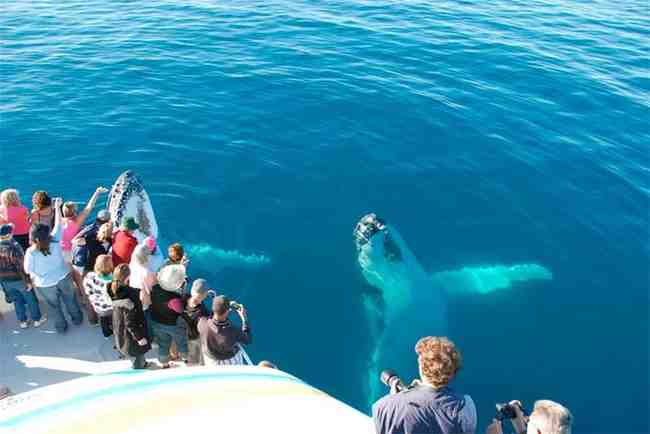
Humpbacks show up around July and stick around until November ends. Antarctica’s where they come from—swimming thousands of miles looking for warmer spots to breed. Most action happens along the west coast where waters aren’t too rough, and depths suit these giants perfectly.
Two Months Matter Most
You want August or September for your trip of Whale Watching in Mauritius Tours. Success rates hit 90% or higher during these specific months. Rain? Barely happens. Wind? Calms down significantly. Mornings offer flat ocean surfaces perfect for spotting whale activity.
Males Sing Underwater for Hours
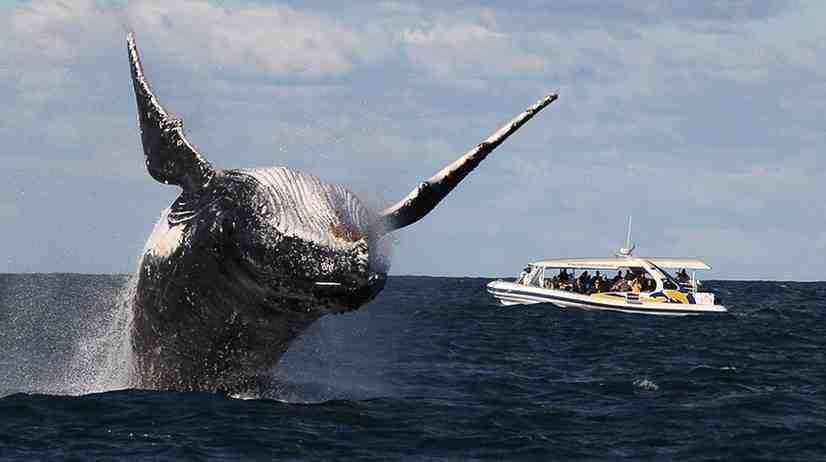
Those songs males produce underwater. They stretch past 20 minutes easily. Mating calls, scientists reckon. Mothers sometimes bring babies right up to boats—just curious about what humans are doing there. Babies practice jumping while moms teach them navigation basics. Adults stretch 15 meters yet somehow move like they weigh nothing. Want dolphins instead? Dolphin tours operate every single day regardless of what month it is.
Budget $150-$250 for Swimming
Companies charge anywhere from $150 up to $250 per swimmer. What’s included? Guides who know their stuff, full snorkeling kit, plus safety talks before anyone enters water. Government rules say stay 10 meters minimum from whales—no exceptions. Touching? Absolutely forbidden. Groups? Four swimmers max per session.
Black River, Flic en Flac, Grand Baie—that’s where boats leave from. Licenses? They’ve all got proper ones.
Blues Occasionally Pass Through
Blue whales make appearances here too. June or November typically. These things measure over 30 meters—absolute monsters, biggest creatures Earth’s ever seen. Don’t count on seeing them though since they prefer much deeper water than humpbacks. Sperm whales? Pilots? Yeah, those show up occasionally in offshore zones. I prefer land animals. Casela Safari Park has plenty.
Some Tours Mix Both Species
Certain operators throw dolphins and whales into one package. Makes sense really—dolphins live here permanently, not just seasonally. These combo trips last maybe 5-7 hours, cost roughly $140-$220. You’d start hunting dolphins’ early morning in calm bays before chasing whales further out.
Don’t Wait Until Last Minute
August and September slots vanish fast. Book two days minimum ahead, maybe more if visiting during busy weeks. Most places want 20-30% upfront securing your reservation. Weather screws things up? Usually get full refunds or pick different dates. Need someone handling bookings? Try the contact page—they’ll sort everything.
Short Trips vs Long Ones
Whale watching in Mauritius tours run anywhere from 3 hours up to 6 depending on what you’re after. Shorter versions just watch from boats—no swimming involved. Longer packages let you swim, snorkel reefs, eat meals onboard. Morning starts (8-9 AM) and beat afternoon every time for whale activity and sighting chances.
Safety Protocols Are Strict
Everyone hears safety talks before departing—emergency stuff, how to act around whales, swimming rules. Life jackets go on to everyone whether you swim well or not. Boats carry first aid supplies, radios, and crew with proper licenses. Kids under five? Can’t swim with whales but watching from boats works fine. Pregnant? Talk to your doctor first before booking anything.
Weather Cancels Tours Sometimes
Wind over 25 knots? Trip’s off. Waves above two meters? Same deal. Those southeast trade winds make things choppy sometimes during whale season. Light meals beforehand help with seasickness—ginger works wonders. Really bad weather days? Head to Blue Bay Beach where lagoons stay protected regardless.
Photos Need Fast Shutter Speeds
Waterproof cases protect cameras when you’re swimming near whales. Set shutter speed past 1/500—whales move crazy fast. Polarizing filters help cut glare off water surfaces at a big time. Breaches happen suddenly so keep cameras ready constantly. Some boats have photographers who sell shots later if you’d rather not stress about capturing perfect moments yourself.
Tours Teach While You Watch
Better operators explain whale migration, feeding patterns, and conservation problems during trips. Some companies donate chunks of earnings toward whale research projects. Responsible whale watching in Mauritius tours keep proper distances, don’t overstay near whale pods—protecting animals matters.
Private Boats Cost Way More
Regular tours pack 12-20 people into bigger boats. Social vibe, meet other travelers. Private charters? $800-$1,500 but your group gets everything—custom schedule, longer whale time, whatever you want. Semi-private boats (4-8 people) cost between regular and full private rates. Photographers and special occasion groups benefit from most going privately.
Extra Activities Available
Some packages add parasailing, underwater scooters, island hopping. Full-day versions might include adventure stuff like zip lines or ATVs making complete experience days. Sunset cruises sometimes look for whales in the afternoon, but success rates tank compared to mornings.
Pack Smart, Pack Light
Reef-safe sunscreen only regular types kill coral. Sunglasses need straps or they’re flying off boats. Wide hats beat baseball caps for sun protection. Long sleeves help more than constantly reapplying sunscreen. Bring seasickness pills even if you usually feel fine on water. Waterproof bags protect phones and electronics. Storage space? Limited, so skip big bags.
Becoming a Guide Takes Training
Guides need marine biology knowledge, boat licenses, first aid certs, and good communication skills. Starting pay runs around $1,500-$2,000 monthly. Experienced ones make $2,500-$4,000. Speaking English, French, Hindi, or Mandarin? Huge advantage getting hired here.
Shore Watching Possible but Harder
Baie Maconde Viewpoint sits high enough for spotting whales from land occasionally. Le Morne and Tamarin Bay work too. Binoculars help significantly. Success rates though? Maybe 30% compared to 90% on boats.
Snorkeling Happens Between Searches
Most whale watching in Mauritius tours stop at reefs while searching for whales. Cathedral Rock, Coin de Mire—popular spots featuring tropical fish and healthy coral. They provide gear though some prefer bringing personal equipment for better fitness. More reef details in snorkeling guides covering the island.
Kids and Grandparents Welcome
Bigger boats handle families better—stability, bathrooms, covered areas. Young kids dig dolphins more since they’re closer and playful. Whales seem distant to little ones who don’t grasp how massive they really are. Family packages usually discount kids under 12 substantially. Teaching adjusts for younger audiences without dumbing down.
Other Places Have Whales Too
Hermanus in South Africa does shore-based southern right whale watching brilliantly—they swim right to beaches. No boats were needed there. But whale watching in Mauritius tours let you swim with them, which most destinations prohibit. Iceland, Norway, Australia, Hawaii all offers whales but different types and timing.
Whales Travel Insane Distances
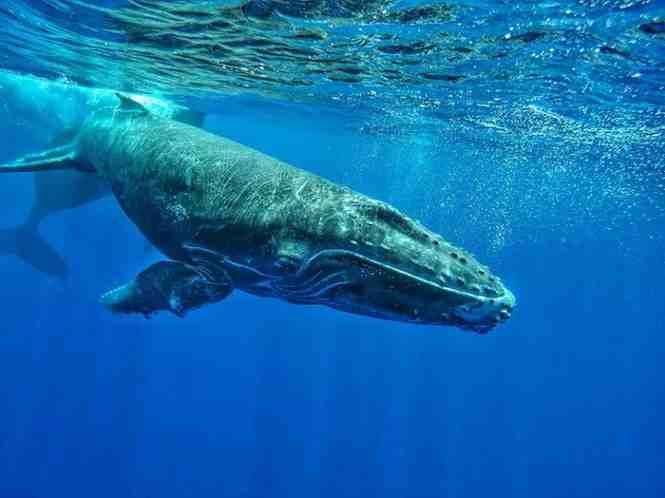
Humpbacks migrate 16,000 km yearly—Antarctica to tropics and back. Mauritius works like a highway rest stop where they chill, mate, have babies. Navigation methods? Probably magnetic fields, stars, underwater landmarks. Scientists are still figuring out exact mechanisms.
Tourism Helps When Done Right
Whale watching done properly supports conservation—locals earn money protecting whales instead of hunting them. Too many boats, excessive noise though? Stresses whale populations badly. Pick eco-certified operators. Follow every guideline they provide.
Conservation Groups Need Support
Mauritius Marine Conservation Society monitors whale numbers, does research, pushes for stronger laws. Tourism money funds this work directly. You can help by using apps reporting whale sightings. Pereybere Beach shows what protected reefs look like when managed correctly.
Weather Changes Monthly
July kicks things off—22°C, occasional rain. August and September peak—25°C, almost zero rain. October transitions toward summer—warmer temps, afternoon storms that rarely mess up morning tours.
Boat Types Make Difference
RIBs go fast but bounce around hard. Catamarans offer space, stability, and bathrooms. Speed boats balance quickness with decent comfort. Old fishing boats feel authentic but lack amenities. Pick based on how your stomach handles waves honestly.
Guides Speak Multiple Languages
English, French, Creole—most guides speak these fluently. Many know Hindi or Mandarin too. Check language availability booking—matters while swimming when instructions come fast.
Where You Book Matters
Direct with operators costs less—no agency fees. Agencies bundle things together nicely though. Mauritiusguidedtours.com does custom planning. Use the contact page to get personalized help.
Health Factors to Consider
Boarding boats needs moderate fitness. Swimming requires basic ability, being comfortable in deep open water. Heart issues, recent surgeries, mobility problems? Consult doctors first. Pregnant past first trimester usually can’t swim. Bigger catamarans accommodate wheelchairs better than small boats.
Insurance Covers Important Stuff
Get insurance covering water activities explicitly. Standard policies often exclude wildlife swimming—verify coverage details. Weather cancellations usually refund completely. Cancel yourself? Need 48–72-hour notice or lose deposits mostly.
Why These Experiences Matter
Whale watching in Mauritius tours connect people with ocean ecosystems profoundly. Seeing whales naturally builds real conservation awareness. Many describe it as life-changing—reshapes how you think about protecting oceans. Share trips online responsibly without revealing exact locations that might cause overcrowding issues.
Frequently Asked Questions
What is the best time of year for whale watching in Mauritius?
July to October works, but August and September give you the absolute best odds for seeing whales.
How much does swimming with whales’ cost in Mauritius?
Expect $150-$250 per person covering gear, guides, safety briefings—everything needed.
Are whale sightings guaranteed during tours?
Nothing’s guaranteed but top operators see whales on 90%+ of trips during peak months. Some let you try again cheaper if whales don’t show.
How long do whale watching tours last?
Anywhere from 3-6 hours depending on what you pick. Short ones just watch. Long ones add swimming and snorkeling.
Do I need prior swimming or diving experience?
Basic swimming plus being okay in open water—that’s it. No certs required. They provide gear and instructions before you enter water.
What should I wear on a whale watching tour?
Light clothes, swimsuit underneath, sunscreen (reef-safe kind), sunglasses, hat. They supply life jackets and snorkel stuff.
Is whale watching in Mauritius environmentally responsible?
Licensed operators follow distance rules, time limits, fund conservation work protecting whale populations properly.
Ready to embark on your unforgettable whale watching adventure in Mauritius? Contact our expert team today to book your 2025 experience and witness the majesty of humpback whales in their natural paradise!
Pingback: Scuba Diving in Mauritius: Your Complete 2025 Guide to Pristine Dive Sites