The Bustling Heart of the Island
As the throbbing capital and biggest town, Port-Louis is Mauritius’s undisputed business nerve, where the throbbing energy is too much. It’s not a tranquil town; it’s a working city where businesses and companies thrive around the colossal, pulsating harbor. Port Louis Harbour is a place in itself, a warm thrum of activity that propels the nation. Walking its lively streets with its people of all colours, you sense the pulsating rhythm of an island utopia organically connected to the world economy. It is the ability of the city to merge commercial vitality and cultural richness, where business initiative and old patterns of existence coexist in harmony, that makes it tick.
Where Past and Present Collide
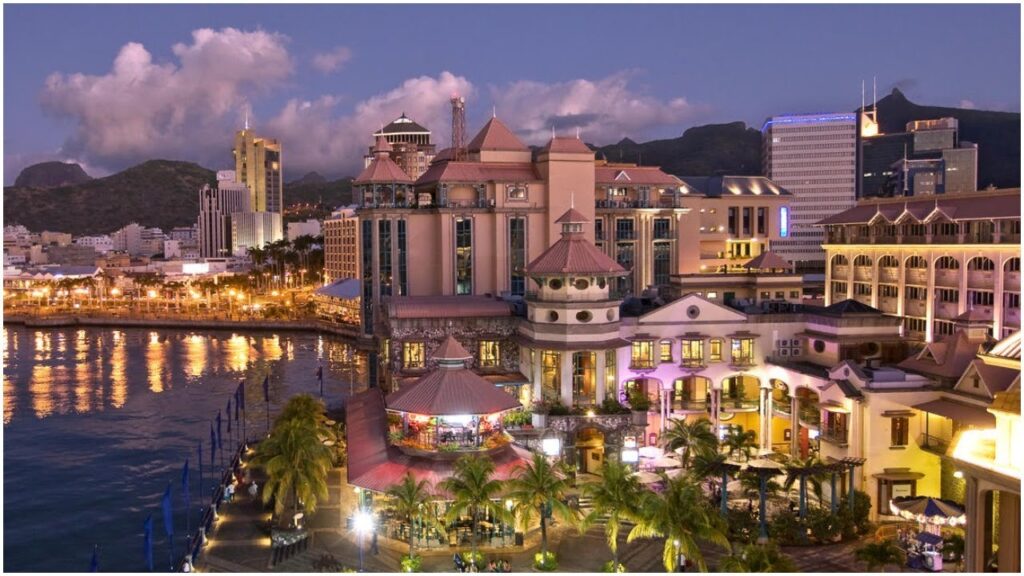
Intriguing in this city is the way its ancient past exists together in the modern world.
It’s a living museum, buildings and streets a living testament to French and British colonial rule. To me, authentic wealth is in those contrasts—a modern business hub a stones-throw from ancient forts and lively bazaars. In order to truly get a sense of Mauritius, one must visit Port-Louis; it is the northen island’s old anchor and its pushing modern momentum, all rolled into one unforgettable introduction to the country’s heart. The cityscape of the city is that of transformation, where old colonial structures now serve as home to modern enterprises, and old squares are gathering places for natives and travelers alike in search of connection. The Rainbow-Colored Soul of the Capital
The Vibrant Heart of the Capital
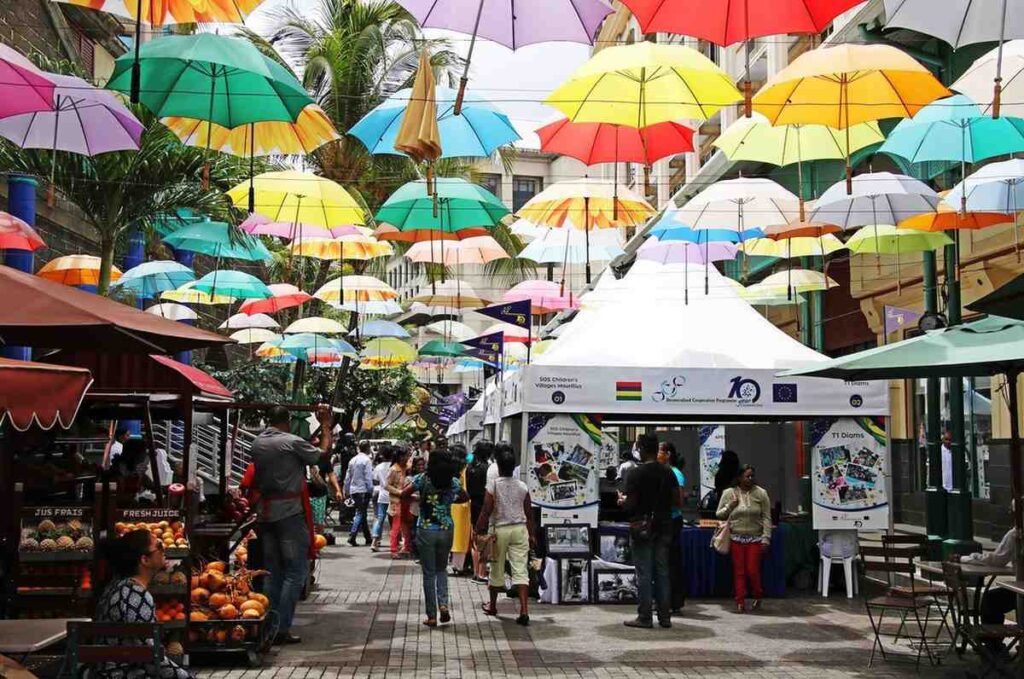
A glimpse of the capital begins with street life.Massive boulevards and side streets become a dance of activity, motorbikes, vehicles, and buses in the backdrop. This is the rainbow-colored dynamism, which is the soul of real Mauritian society, where women dress up in sophisticated sarees, Muslim males wear traditional attire, and children add to the rainbow-colored throng. All this action revolves in the central marketplace, packed with shouting men and women on every road and alleyway. The roads themselves are turned into stages where spontaneous performance and human exchange take place, creating a constantly dynamic mosaic of people-to-people contact that typifies the city.
Plan your trip with Mauritius Guided Tours
Treasures of the Central Market
No vacation is ever complete without a visit to the Port Louis central market. The old hall is a wonderland of goods and heritage. Its passageways are lined by the vibrant colors of fresh fruits and vegetables, the aroma of spices and Indian incense sticks, and the feel of cloth and fabric like cotton and silk. Hagglet here for souvenirs, Made in Mauritius T-shirts, beach pareos, and lovely saris. You can also see music instruments like triangle and ravanne, which are essentials while playing Sega dance. There is the Bazaar located on La Cordere Street whose shops trade in beautiful cloth and design. Chinatown can’t be overlooked with Chinese quarter eateries and street corner food stalls. For something different, go see the spice merchants and purchase an ayurvedic remedy or herbal medicine plants, and even take an herbal beverage. The religion of the city is experienced in the buildings, like a beautiful nineteenth-century white-walled mosque with green shutters, spires, and an enormous door that makes you respect native faith and prayers conducted there.
Discover amazing tours at mauritiusguidedtours.com
Hidden Cultural Enclaves You Must Discover
Behind the roads, Port-Louis extends isolated courtyards and cultural enclaves that seek shelter from the dynamism of the city.These backstreet areas typically offer room for workshops of artisans where master craftsmen continue to hone traditional techniques passed down the generations. Behind isolated locations, you might find master woodcarvers painstakingly carving out designs, embroidery experts sewing intricate motifs, or goldsmiths designing custom jewelry pieces inspired by the island beauty. Such remote areas are living coffers of Mauritian heritage where ancient customs continue in the modern era of urbanization.
Champ de Mars – Port Louis Horse Racing Arena
The Champ de Mars Hippodrome, a veteran venue of the country, is the hub of Mauritian passion for horse-racing.Every Saturday during June and November, the terraces overflow with keen-eyed onlookers wagering on their favourite horse. The in-field drama is on fire with shouts and roars the moment the start flag goes up. It is a vibrant social event as it has been since 1812 in this island passion for the game. The race track is an island melting pot of Mauritian society because everybody from all walks of life comes together to be a part of the excitement, with a vibrant social canvas that sweeps economic differences aside.
Fort Adelaide: Breathtaking 360° Views
Situated atop 240-feet-above-sea-level hill, Fort Adelaide, popularly known as La Citadelle, is a stunning view of Port-Louis city and harbor.It was initiated by the British in 1832 and took them a decade to complete this strategic fort. Its elevated ground was chosen for strategic reasons to shield it from invasion by the enemy as well as potential rebellions by French colonizers, further solidifying their domination of the island. Currently, the brief ascent up is worth the effort with a beautiful city view of the capital and range. The imposing stone wall and well-preserved structures of the fort provide a sense of physical connection to the past history of the colony, whereas city views provide a glimpse into the growth of the city.
Natural History Museum: 1842 Time Capsule
The capital city’s Jardin de la Compagnie is where Mauritius’ Natural History Museum is situated in the colonial villa of Mauritian Institute, a peaceful escape from city noises.It was established in 1842 and is Mauritius’ oldest museum. Even if a bit old-fashioned and rather dated displays of the island’s native fauna and flora, a replica Dodo made from photograph postcard cut-outs, reptile, butterfly, shell, and coral displays in glass cases, the central room has more up-to-date, science-focused displays with the scientific interest of local fossil finds and skeletons, even a short film. Its olde-world atmosphere provides a charming, if pleasant, look at the past
Opening Hours: Monday to Friday, Saturday morning.
Entrance: Free of charge.
Address: Mauritius Institute Building, Chaussée, Port Louis, near Government House.
The Blue Penny Museum: Cultural Gem
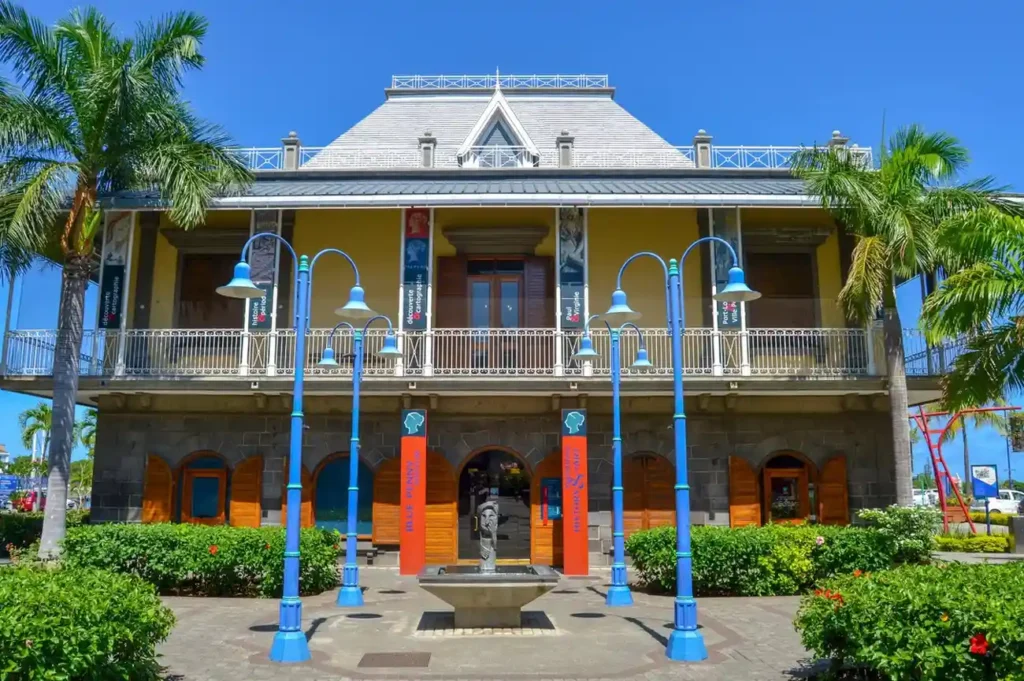
Located inside a mall at Le Caudan Waterfront in the Capital, The Blue Penny Museum is one of the islands’ cultural pillars.It is perhaps most famous for having the world-renowned 2 pence Blue Stamp of 1847, designed by Joseph Osmond Barnard for the Post Office, in its collection of heritage. It chronicles extensively the Mauritian history with the British, French, and Dutch, complete with interesting sea charts, engravings, paintings, sculptures, stamps, and documents. Having been well watered by the rich heritage, one can then go on to shop at the Souvenir shop for postcards, stationery, and replicas. English, German, Italian, and Creole audio guides are offered in the language.
Opening hours: Monday to Saturday (closed on Sundays and Public holidays).
Address: Le Caudan Waterfront, Port Louis.
Waterfront Development: Modern Marvel
Le Caudan Waterfront complex is the new face of Port-Louis, providing trendy shopping, restaurants, and amusement facilities along the historic harbor. This tastefully constructed zone is a mix of contemporary architecture with nods to the city’s maritime heritage, producing a vibrant public space in which locals and tourists meet. The coastline is taken over by street performances, night concerts, and cultural performances illustrating Mauritius’s taste in arts at sunset. The marina of pleasure craft and fishing vessels is a beautiful place to take leisurely strolls.
Spanish Castle: Architectural Masterpiece
Breathtakingly situated on the seashore, this Spanish fort is a masterpiece of fortification. Its huge walls, strong bastions, and high ravelin are connected by an arched bridge, all for defensive arm storage and guarding. Walking along the parapet, you are kept in a green environment with a glimpse to the Ile de Groix, Pointe de Gâvres, and the Pâtis country to the lovely Grands-Sables beach. The principal entrance is reached via ancient canons of old which continue to look out to sea, a silent testimony to its conflict-ridden history.
Culinary Journey: 5 Must-Try Experiences
The food of the city is a tasty indicator of its cosmopolitanism.From the street vendors who sell gateaux piments and dholl puri to smart restaurants where one can get fusion food, Port-Louis has something for every appetite. The fusion of Indian, Chinese, French, and Creole cuisine gives rise to a unique gastronomic culture. Food bazaars are filled with tropical fruits, daily catch, and scented spices, and family restaurants have been serving traditional fare for generations. Every meal is a performance of culture, a feast of multicultural heritage of the island.
Green Spaces: Urban Oases
Despite its city jamming, Port-Louis is proud to have green oases that are oases of tranquility. The Jardin de la Compagnie, filled with gigantic banyan trees and lush promenades, is an oasis from the tropical heat. These city oases are favourite lunch-time meeting spots for office workers and weekend retreats for family outings. Its upkeep with love reflects the city’s commitment to having a balance between development and conservation.
Artistic Expression: Cultural Renaissance
Port-Louis is also a cultural center with numerous galleries showcasing both foreign and Mauritian works of art. The city’s cultural institutions host regular exhibitions, performances, and celebrations to honor Mauritius’s cultural heritage. Whether in the form of modern pieces of art or classical music concerts, the city’s cultural life symbolizes the ongoing process of sacrificing heritage and searching for novelty that characterizes modern Mauritian society.
Get in touch at mauritiusguidedtours.com/contact-us/.
Frequently Asked Questions About Port Louis
1. What is the best time to visit Port Louis?
The ideal time to visit Port Louis is during the dry winter season from May to November when temperatures are cooler and rainfall is minimal. Avoid visiting during peak summer (December to March) when heat and humidity can be intense, though this is when you’ll experience major cultural festivals.
2. Is Port Louis safe for tourists?
Yes, Port Louis is generally safe for tourists, especially in main commercial and tourist areas. However, like any capital city, remain vigilant against petty theft in crowded markets and areas. Keep valuables secure and avoid poorly lit areas at night. The city center is particularly safe during business hours.
3. How many days should I spend in Port Louis?
We recommend spending 2-3 full days to properly experience Port Louis. This allows time to explore the central market, visit key museums like the Blue Penny Museum, see Fort Adelaide, enjoy the waterfront, and experience local dining. Many visitors make the mistake of only allocating a single day, which doesn’t do justice to the city’s offerings.
4. What is the best way to get around the city?
Walking is the best way to explore the compact city center, while taxis are convenient for longer distances. The city has an efficient bus system connecting major attractions. For maximum flexibility, consider hiring a local guide for half-day tours who can navigate the complex street network and provide cultural insights.
5. Are there any special cultural customs I should know?
When visiting religious sites like mosques or temples, dress modestly (covering shoulders and knees). It’s polite to remove shoes before entering homes and some shops. While bargaining is expected in markets, do so respectfully. French greetings like “bonjour” are appreciated, and tipping 10% in restaurants is customary for good service.
Pingback: Grand Bay Mauritius: Why This Northern Beach Town Beats All Others in 2025
Pingback: Mauritius National Botanical Garden: Your Ultimate 2025 Guide to Paradise's Hidden Treasure
Pingback: Kaylasson Temple Mauritius: Visitor Information & Tamil Heritage Guide 2025