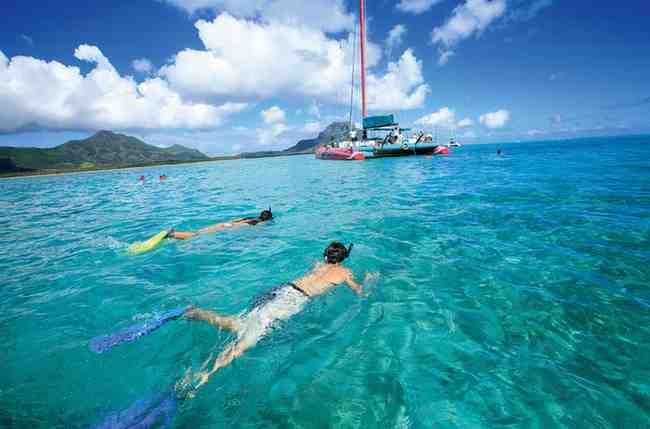
Experience the crystal-clear Indian Ocean through premium Mauritius Catamaran Tour and Snorkeling adventures that blend luxury sailing with vibrant underwater exploration and secluded island discoveries. From pristine coral formations to dolphin encounters and untouched beaches, here’s your complete resource for securing the perfect maritime getaway in 2025.
Why Catamarans Lead Maritime Tourism in Mauritius
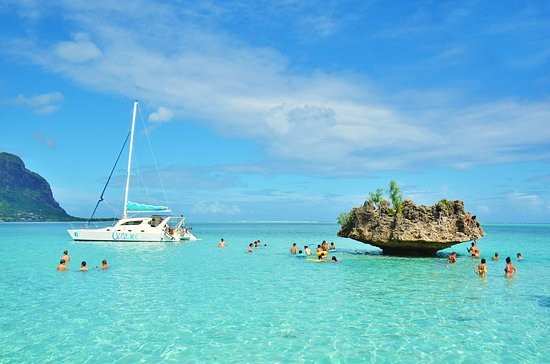
The island’s protected lagoons create near-perfect conditions for catamaran sailing throughout most of the year. These twin-hulled vessels deliver exceptional stability compared to single-hull boats, which means smoother rides even when winds pick up. The wide deck layout provides ample room for movement, dedicated sunbathing zones, and easy water entry points—essential features when you’re planning multiple snorkeling stops during a single outing.
Top Snorkeling Locations Reachable by Catamaran
Northern waters showcase remarkable biodiversity, with healthy coral systems supporting hundreds of tropical species alongside green turtles and occasional stingrays. Blue Bay Marine Park down south features some of the island’s most intact coral structures, while the western shoreline near Flic-en-Flac delivers visibility that can stretch beyond 30 meters on calm days. Each zone presents distinct underwater terrain, from beginner-friendly shallow patches to more challenging channels that draw seasoned snorkelers.
Half-Day Trips vs Extended Full-Day Voyages
Shorter excursions usually start around 9 AM and wrap up by early afternoon, hitting two snorkeling locations with drinks and light bites provided. These condensed options work well for visitors on tight schedules or those wanting to test the waters before committing to longer journeys. Extended charters run from morning through late afternoon, adding stops at remote islets, proper BBQ lunches on beaches, and extra swimming time. The longer format also allows for early dolphin watching when these animals are most active near shore. For comprehensive island exploration that goes beyond the water, check out all-inclusive tour packages combining maritime and land-based activities.
Standard Package Inclusions Across Operators
Equipment like masks, fins, and flotation vests comes standard with virtually every tour at no added fee. Trained guides join guests in the water, pointing out interesting marine creatures while keeping everyone safe. Onboard facilities typically cover unlimited beverages (including alcohol), fresh fruit selections, and either buffet spreads or grilled catches depending on trip length. Higher-tier services might throw in underwater cameras, paddleboards, and proper changing rooms.
Flat Island: Northern Territory’s Premier Destination
This protected nature reserve sits roughly 12 kilometers from the mainland, accessible exclusively by boat. Waters surrounding the island maintain exceptional transparency, revealing vibrant coral beds just below the surface. Protected status means limited human impact, preserving ideal conditions for marine ecosystems and visitors alike. Tours here often incorporate beach time where guests can wander tidal zones or relax under palms before heading back. Travelers from Gulf countries particularly enjoy these peaceful retreats, with specialized Middle Eastern tour options ensuring cultural preferences are respected throughout.
Private Charters Compared to Shared Group Outings
Exclusive boat rentals give you full control over timing and locations, letting you linger at favorite spots or adjust departure windows to match your preferences. Privacy seekers value the crowd-free environment, making these ideal for proposals, milestone celebrations, or intimate family gatherings. Shared trips deliver substantial savings, often 40-60% below private rates—while maintaining service quality through established operators.
Blue Safari Submarine Trips vs Surface-Level Snorkeling
Submarine experiences descend to 35-meter depths, accessing shipwrecks and deep coral zones unreachable from above. But these enclosed tours lack the direct interaction of swimming with marine life. Catamaran snorkeling puts you right in the environment—experiencing temperature shifts, hearing underwater acoustics, and watching fish dart past within touching distance.
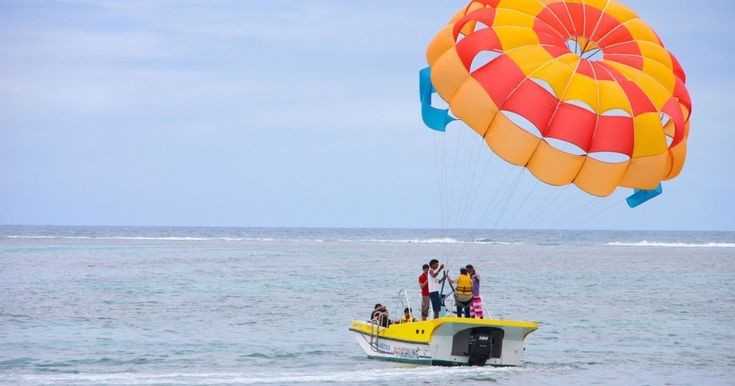
Thrill-seekers wanting to complement water activities should explore parasailing experiences offering stunning aerial views of the same lagoons you’ll be diving into.
2025 Pricing Structure Across Tour Categories
Shared half-day trips with snorkeling gear range from USD 75-120 per person, while full-day options typically fall between USD 110-180 with meals and unlimited drinks. Private bookings start at around USD 800 for parties up to 10 passengers, with luxury vessels reaching USD 2,000+ for larger groups with gourmet service. Rates shift seasonally, with November through April peak months commanding higher prices than the May-October cooler period.
| Tour Type | Duration | Price Range (USD) | Inclusions |
| Shared Half-Day | 4 hours | $75-120 | 2 snorkel stops, refreshments |
| Shared Full-Day | 7-8 hours | $110-180 | 3+ stops, lunch, drinks, equipment |
| Private Half-Day | 4 hours | $800-1,200 | Custom itinerary, dedicated crew |
| Private Full-Day | 7-8 hours | $1,400-2,500 | Gourmet meals, premium beverages, water toys |
| Sunset Cruise | 3 hours | $65-95 | Snacks, drinks, coastal views |
Booking Platforms vs Direct Operator Reservations
Third-party sites like Viator simplify comparisons and aggregate customer feedback, but booking straight through local companies often unlocks better rates and more flexible cancellation terms. Established outfits run their own fleets with newer boats, while resellers might subcontract to various providers of inconsistent quality. Direct contact also enables special arrangements—dietary needs, accessibility requirements, or route customization—that automated systems can’t handle.
When organizing your water adventure, consider private guided tour services that pair beautifully with catamaran outings for complete island coverage.
Seasonal Weather Patterns and Ideal Timing
Cyclone season officially spans November through April, though modern forecasting provides plenty of warnings for cancellations when needed. Calmest water occurs during winter (May-October), producing smoother crossings and better underwater clarity. Summer brings warmer ocean temps hitting 27-28°C versus winter’s cooler 22-24°C, which affects comfort during extended snorkeling sessions.
Family Accommodations and Child Safety Measures
Quality operators stock properly sized children’s vests, flotation aids, and designated shallow zones suitable for young participants. Many catamarans feature mesh netting between hulls, preventing accidental tumbles while kids enjoy water views safely. Family rates usually discount children 3-12 years old, with some providers offering free passage for toddlers not requiring equipment or meals.
Families planning broader island experiences should review south coast day tours that complement water activities with cultural and natural sites.
Snorkeling Gear Quality Indicators
Professional-grade silicone masks offer superior comfort and watertight seals compared to cheaper plastic versions, eliminating leakage that ruins visibility. Full-face snorkel masks have grown popular but can create breathing hazards if improperly fitted—traditional separate mask-tube combos remain safer for most users. Fins should grip firmly without creating pressure points, with adjustable straps accommodating various foot sizes within family groups.
Marine Species Encounter Likelihood
Dolphins patrol the western coast most reliably during early morning (6-9 AM), with sighting rates around 70-80% during peak months. Sea turtles inhabit northern lagoons year-round, especially near seagrass meadows where they graze. Tropical species including parrotfish, butterflyfish, and damselfish populate nearly all reef systems, guaranteeing colorful sightings regardless of your specific route. Those interested in expanding natural exploration should check Port Mathurin excursions on Rodrigues Island for completely different ecosystems and cultural encounters.
Meal Service: Beach BBQ vs Onboard Dining
Beachside grilling typically features fresh fish, chicken skewers, rice dishes, and tropical fruit served on uninhabited shores or protected beach stretches. This format lets guests explore the coastline while food is prepared, though weather occasionally forces menu modifications. Onboard dining keeps passengers comfortable aboard the vessel, preferred during cooler months or when wave conditions make beach landings impractical. Premium tours sometimes offer both appetizers during sailing and mains during anchored lunch breaks.
Photo Ops and Underwater Camera Options
Shallow, transparent waters create ideal settings for capturing vibrant underwater scenes without professional gear. Waterproof cameras or phone housings work excellently in depths up to 10 meters where most snorkeling happens. Several operators include complimentary photography, with pros capturing both surface and underwater moments throughout your trip. Digital files typically arrive within 24-48 hours after your tour concludes. Couples seeking memorable backdrops should explore romantic destinations that combine perfectly with maritime adventures for engagement or anniversary photography.
Non-Swimmer Participation Options
Specialized flotation vests and assistance devices let nervous or non-swimming guests observe reefs from the surface with minimal exertion. Crew provide one-on-one support, staying close while guests adjust to the aquatic environment. Some operators feature semi-submersible viewing areas or glass-bottom sections, enabling underwater observation without ocean entry.
Beverage Service and Consumption Guidelines
Complimentary drinks usually include local beer, rum cocktails, wine, and soft options throughout the journey. Responsible companies monitor intake levels, particularly before snorkeling when impaired judgment creates risks. Premium open bars on private charters may stock international spirits and champagne, though most maintain safety-first timing regarding alcohol service relative to water activities.
Multi-Day Bundles and Activity Combinations
Several companies bundle catamaran trips with complementary experiences, perhaps pairing your ocean adventure with inland waterfall visits, nature park tours, or village cultural immersions. These packages often deliver 15-25% savings versus separate bookings, while ensuring coordination between different activity providers. Extended stays enable exploring multiple coastlines, with northern routes one day followed by southern or western alternatives the next. International guests, particularly African travelers, will find valuable details in specialized Nigerian tour programs that can incorporate premium catamaran experiences.
Sunset Voyages: Evening Romance
Evening departures usually launch around 4:30 PM, positioning vessels for optimal sunset viewing between 5:30-6:30 PM depending on time of year. These shorter trips emphasize atmosphere over snorkeling, featuring appetizers, signature cocktails, and sometimes live acoustic performances. The western coastline delivers the most dramatic sunset panoramas, with the sun dropping directly into the ocean photographer’s paradise.
Crew Credentials and Safety Standards
Licensed captains hold maritime certifications from Mauritian maritime authorities, most possessing 5-10+ years navigating local waters. First-aid certified crew accompany every tour, equipped with emergency oxygen, marine radios, and GPS tracking. Vessels undergo regular inspections, maintaining required life raft capacity, fire equipment, and emergency beacons.
Environmental Practices and Reef Conservation
Responsible tour companies emphasize reef-safe sunscreen usage, banning chemical products that harm coral polyps. Briefing stress avoiding contact with coral formations, maintaining proper buoyancy to prevent accidental damage. Some operations participate in coral restoration programs, with tour fee portions funding marine conservation throughout Mauritian waters. Eco-minded travelers often combine maritime adventures with stays at luxury sustainable resorts maintaining similar environmental standards.
Essential Packing Items
Reef-safe mineral sunscreen, wide-brimmed hats, and UV-protective swimwear form your core sun defense kit. Waterproof pouches keep electronics, cash, and spare clothing dry during water activities. Towels usually come provided, though bringing personal ones guarantees availability precisely when wanted. Underwater cameras, seasickness remedies, and light jackets for cooler return trips are comp recommended from ended packing.
Seasickness Prevention Tactics
The catamaran’s twin-hull architecture substantially reduces rolling motion versus single-hull craft, minimizing nausea occurrences. Passengers prone to queasiness should select central seating were movement registers least. Over-the-counter options like meclizine or natural ginger taken 30-60 minutes pre-departure offer effective prevention. Horizon focus and proper hydration also stabilize inner-ear balance during navigation.
Group Dynamics and Solo Participant Experiences
Shared tours attract varied international travelers, creating chances for cultural exchange and connections. Solo participants frequently team up with other individuals or couples, splitting photo costs or drinks while maintaining personal space when desired. The social vibe suits outgoing types, though quieter guests still find peaceful moments during sailing segments or independent snorkeling.
Luxury Vessel Upgrades Worth Considering
High-end boats feature cushioned loungers, freshwater showers, quality sound systems, and expanded shade across decks. Gourmet service elevates dining with chef-prepared sushi, lobster, and premium wine. Dedicated crew ratios (sometimes 1:3 on ultra-luxury charters) ensure personalized attention throughout. Some provide changing cabins, proper restrooms (versus basic facilities), and even climate-controlled interior spaces. Families wanting maximum comfort should investigate luxury family accommodations in Balaclava offering seamless integration with premium maritime excursions.
Reservation Timing and Advance Planning
Peak periods (December-January, July-August) require booking 2-4 weeks ahead to lock preferred dates and departure slots. Shoulder months (February-April, September-November) provide more flexibility, sometimes accommodating same-week reservations. Last-minute bookings occasionally yield discounts when operators fill remaining spots, though this gamble risks limited availability or less ideal times.
Cancellation Terms and Weather Assurances
Standard terms permit full refunds for cancellations 48-72 hours before departure, with partial refunds (typically 50%) for 24-hour notice. Weather cancellations initiated by operators result in complete refunds or free rescheduling. Force majeure situations (cyclones, sea warnings) trigger automatic cancellations with full reimbursement, protecting guest safety and financial interests.
Age Limits and Health Factors
Most operators’ welcome guests aged 3 upward, though some restrict very young children from certain deep-water zones. Pregnant women should consult operators about participation, as rough conditions or extended sun exposure may create complications. Guests with cardiac issues, recent operations, or mobility challenges should disclose these during booking to receive appropriate recommendations.
Transport Arrangements and Hotel Pickups
Complimentary hotel transfers typically cover properties within 10-15 kilometers of departure marinas, with surcharges for more distant locations. Pickup windows vary by hotel distance, ranging from 45-90 minutes before scheduled launch. Direct travel to Grand Baie, Trou aux Birches, or Port Louis marinas reduces transfer duration for centrally located guests.
Language Availability and International Services
English-speaking crew staff virtually all tours, with French also common given the island’s heritage. Some operators provide Hindi, Mandarin, or Arabic-speaking guides for specialized group bookings, particularly relevant for Middle Eastern or Asian travelers. Visual demonstrations and hand signals ensure understanding during snorkeling briefings regardless of language barriers.
Why Choose Mauritius Guided Tours
Established local knowledge ensures access to vetted operators with documented safety records and consistent service levels. Direct operator relationships unlock preferential rates and priority booking during high-demand windows. Comprehensive coordination eliminates juggling multiple vendors, with single-contact support for all inquiries, modifications, or concerns before and during your visit.
Securing Your Ocean Adventure
Turn your Mauritius vacation from standard to exceptional with professionally arranged catamaran experiences balancing adventure, relaxation, and natural beauty. Whether celebrating special occasions, creating family memories, or simply craving authentic island encounters, the turquoise waters await discovery. Expert guidance ensures smooth planning from initial contact through lasting memories. Ready to reserve your spot on the Indian Ocean’s finest vessels? Head to our contact page to discuss ideal itineraries, receive tailored recommendations, and look at 2025 availability before peak season capacity fills. Professional consultants stand ready to address questions about specific tours, customize private charters, or bundle multiple experiences into comprehensive island packages.
Frequently Asked Questions
What is the best time of year for catamaran tours in Mauritius?
May through October delivers calmer seas and better underwater visibility, though summer months (November-April) offer warmer water temps. Both periods provide excellent experiences, with winter preferred for smoother rides and summer favored for extended swimming comfort.
Do I need previous snorkeling experience?
No prior background required. Professional guides deliver thorough briefings covering gear usage, breathing methods, and safety protocols. Shallow practice sessions help beginners build confidence before entering deeper reef zones.
Are children safe on catamaran tours?
Yes, with appropriate supervision and proper safety gear. Reputable operators supply child-sized vests, maintain shallow snorkeling areas for younger guests, and feature safety nets preventing deck falls. Family packages cater specifically to mixed-age groups.
What happens if weather conditions deteriorate?
Operators track forecasts closely and cancel tours when sea conditions exceed safe limits. Full refunds or complimentary rescheduling apply to weather cancellations, protecting your investment while prioritizing passenger safety.
Can I request specific dietary accommodation?
Most operators handle vegetarian, vegan, gluten-free, and religious dietary needs when notified during booking. Private charters offer maximum flexibility for specialized menu requests, while shared tours provide standard alternatives to main offerings.
How long does the typical catamaran tour last?
Half-day trips run approximately 4-5 hours, while full-day adventures extend 7-8 hours including multiple snorkeling stops, lunch service, and beach time. Sunset cruises offer shorter 3-hour experiences focused on evening atmosphere rather than water activities.
Is travel insurance recommended for catamaran activities?
Though not legally mandated, travel insurance covering water sports provides peace of mind for medical situations, trip cancellations, or lost items. Verify policy details ensure maritime activities fall within covered categories.
What makes catamaran tours better than speedboat excursions?
Catamarans deliver superior stability reducing motion sickness, expansive deck space accommodating larger groups comfortably, and direct water access via platforms ideal for snorkeling. The smoother ride suits families, elderly guests, and those prioritizing comfort over speed.