Mauritius has a big Hindu community – almost half the island practices Hinduism. You will find Hindu Festival in Mauritius celebrations throughout the year. These have been going on for nearly 200 years. Deities gain assistance, antique stories come alive through ceremonials, and communities assemble for shared attachment.
Understanding Hindu Festivals in Mauritius
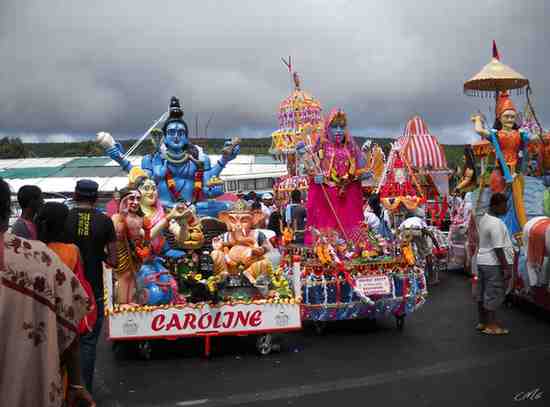
The island really comes alive during Hindu celebrations. Temples fill up, families cook special foods, streets get decorated. This civilization developed over inventions but kept their spiritual core. People make submissions to deities, do ancient ceremonies and assemble in big numbers.
Major Hindu Festivals Celebrated in Mauritius
Maha Shivaratri
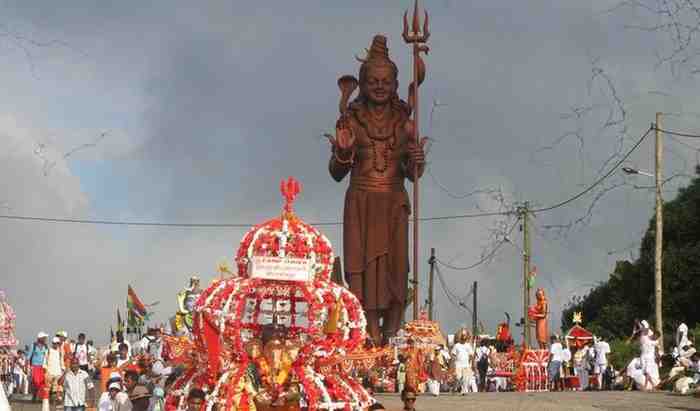
Every February or March, over 400,000 people dress in white and walk toward Grand Bassin. They carry Kanwar’s – wooden structures decorated with flowers and paper. Some walk 50+ kilometers barefoot through the night. At dawn, they reach the sacred lake and collect holy water. People prepare for months. Their feet blister, they’re exhausted, but they keep going. The whole island slows down for this. Roads pack up, there’s reverence everywhere.
Diwali Celebrations
October or November brings thousands of small clay lamps (diyas) across Mauritius. Preparation starts weeks early. Houses get deep cleaned – clearing negative energy, making room for prosperity. Doorsteps show complicated rangoli patterns made from influenced powder, rice and flower petals. Markets are packed with people purchasing new clothes, sweets and lights. Lakshmi Puja happens on the third night. Families pray together, light lamps, share deal with like Gulab jamun and jalebi. Experience Diwali celebration in Mauritius through concentrated festival tours that transport you into realistic celebrations with restricted families.
Holi Festival
March brings strangers throwing colored powder at each other, laughing, covered in pink, yellow, green, blue. Holi celebrates spring and good beating evil, but it’s basically one huge painting party. The night before, bonfires burn to get rid of negativity. During the day, kids hit adults with water balloons. Families make thandai drinks and Jujiya pastries. Music plays loud, people dance, those colors take days to wash off.
Mauritius Festival Calendar 2025
| Festival Name | Month 2025 | Significance | Main Location |
| Maha Shivaratri | February 26 | Lord Shiva worship | Grand Bassin |
| Holi | March 14 | Spring celebration | Nationwide |
| Ugadi | March 30 | Telugu New Year | Port Louis |
| Ram Navami | April 6 | Lord Rama’s birth | Hindu temples |
| Hanuman Jayanti | April 13 | Lord Hanuman’s birth | All Hanuman temples |
| Ganesh Chaturthi | August 27 | Lord Ganesha’s birth | Coastal areas |
| Navratri | September 22-30 | Goddess Durga worship | Major temples |
| Dussehra | October 2 | Victory of good | Community centers |
| Diwali | October 20 | Festival of lights | Island-wide |
| Kartik Purnima | November 15 | Full moon worship | Grand Bassin |
Ganga Sanan Mauritius Date 2025
Grand Bassin gets visitors all year for sacred bathing. February 26, 2025, during Maha Shivaratri issues most. People consider this volcanic crater lake connects absolutely to India’s holy Ganges underground. Every drop here has religious power. Believers jump in the cold mountain water before sunrise, washing away failings, asking for family blessings. Even outside Shivaratri, smaller groups come weekly for prayers and offerings.
Hindu Festival Calendar for 2026
Next year’s date: Maha Shivaratri falls February 15, 2026. Holi happens March 4. Diwali comes November 8. Hindu festivals follow the lunar calendar, so dates shift yearly. Different populations sometimes commemorate on discrete days based on their predecessors’ origins. Book flights and hotels for six months out of minimum. Hotels near major temples fill up weeks before big celebrations.
Exploring Cultural Events in Mauritius
Between major festivals, temples attach monthly festivals. You will see Bharatanatyam dancers, singers doing bhajans, dramatic Ramayana and Mahabharata presentations. These traditional events in Mauritius give you real explores at daily spiritual life. Temple courtyards do evening aartis were flames circle deity statues. Bells ring; people sing together – beautiful moments most tourists miss without local guides.
Customized Festival Tour Packages
Everyone’s different. Some want quick three-day Holi trips. Others want two weeks covering multiple festivals. Tour packages match your interests, schedule, budget.
Maha Shivaratri Pilgrimage Package
Join the pilgrimage to Grand Bassin during the island’s biggest spiritual event. You get overnight support, interpreters explaining things real-time, transport between sites, access to temple ceremonies independent tourists can’t enter. Watch sunrise over the sacred lake with thousands in white. Participate in appropriate rituals. Understand what each gesture means.
Diwali Immersion Experience
Visit local families in their homes. Help make rangoli designs. Prepare sweets in their kitchens. Join evening Lakshmi Puja. Share meals while learning why each ritual matters. Hit markets shopping for festival supplies with locals. Visit temples at night glowing with thousands of lamps.
Multi-Festival Cultural Journey
Visiting February-March 2025? Catch both Maha Shivaratri and Holi in one trip. This combines pilgrimage with color celebrations. Temple visits, cultural performances, talks with spiritual leaders. Transportation, guides, entrance fees, meals included – just focus on absorbing everything.
Festival Photography Tour
Photographers need different access than regular tourists. These packages position you early in the morning at key sites. Get introduced to families okay with photos. Learn which rituals welcome cameras and which don’t. Pro or hobbyist, you’re getting access you can’t get alone.
Unique Hindu Celebrations on the Island
Kavadee Thimithi
Walking across burning coals – that’s Timithy in October 2025, honoring Goddess Draupadi. Participants prepare for weeks: vegetarian diet, daily prayers, mental conditioning. Those coals grow orange red. Devotees walk barefoot, completely focused, showing no pain. Crowds watch what looks like a miracle. Cameras catch faces in total concentration, defying logic.
Ganesh Chaturthi
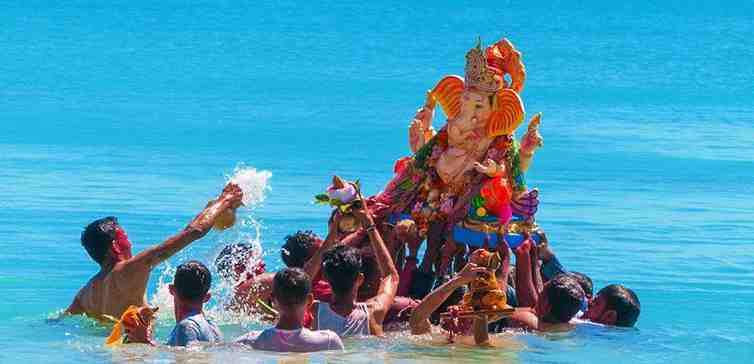
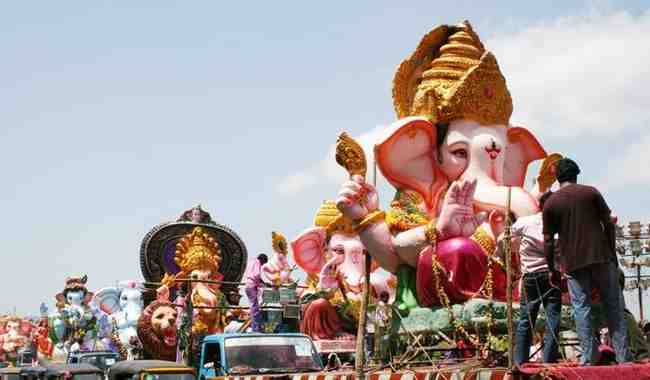
August 2025 brings elephant-headed deities to beaches. Families buy or make clay Ganesha statues weeks before, install them in home shrines, pray daily. Energy builds over ten days – drumming circles form, processions wind through neighborhoods. Then comes immersion. Devotees carry Ganesha idols to the ocean, wade into waves chanting, release clay figures to dissolve. This represents the god returning to Mount Kailash. Next year, they do it again.
Telugu and Tamil New Year
April 2025 marks new year for Telugu and Tamil communities on different dates. Ugadi for Telugu families, Puth Andu for Tamil households. Both have unique rituals. Families prepare pachadi – mixing six tastes representing life: sweet, sour, salty, bitter, pungent, astringent. New clothes come out for temple. Homes get decorated. Elders bless children. These show how Mauritian Hinduism keeps regional identities alive. Experiencing both through our Mauritius tourist guide services reveals layers of cultural complexity often invisible to outside observers.
How Hindu Festivals Shape Mauritius Culture
Religious lines blur during major Hindu festivals. The whole nation gets involved regardless of beliefs. Muslim neighbors help Hindu families string Diwali lights. Christian colleagues watch Shivaratri processions. Chinese Mauritians shop festival markets for sweets. Hindu festivals become truly national celebrations. Grocery stores stock festival supplies year-round. Restaurants make special menus. The government recognizes major Hindu dates as public holidays 2025 Mauritius. Maha Shivaratri and Diwali are both public holidays.
Festival Tourism and Guided Experiences
Showing up without cultural knowledge means missing most of what’s happening. Sure, you see colors, music, crowds. But that reveals nothing about deeper spiritual significance. Why walk barefoot? What do hand gestures mean? Which offerings go to which deities? Guides fill those gaps, explain real-time, turn confusion into understanding. Tours connect you with authentic moments through planned experiences, balancing observation with participation, respecting lines between public celebration and private devotion.
Sacred Sites for Festival Celebrations
Grand Bassin
Nothing in Mauritius matches Grand Bassin’s spiritual importance. This crater lake sits 1,800 feet up. It became sacred through a priest’s 1897 dream – he saw the holy Ganges flowing underground through Mauritius to emerge here. A 108-foot Lord Shiva statue dominates the landscape, visible from kilometers away. Goddess Durga stands nearby, multiple arms holding weapons. Regular days have peaceful energy with small groups doing private rituals. Maha Shivaratri changes everything. Parking can’t handle vehicles. Pathways disappear under white-clad pilgrims. Air gets thick with incense and chanting going 24 hours straight.
Triolet Shivala
Triolet Shivala is Mauritius’s longest temple. Built 1888, you see age in weathered stone carvings and walls feeling saturated with prayers. Maha Shivaratri brings massive crowds – many pilgrims start here before heading to Grand Bassin. The complex holds thousands at once. Different areas for different rituals. Architecture follows traditional Indian design with exterior carvings – Shiva dancing, Krishna playing flute, Rama battling demons.
Kaylasson Temple
Kaylasson Temple in Port Louis does Tamil Hindu traditions. The gopuram entrance gate has colorful statues – gods, goddesses, demons, celestial beings stacked in tiers. Tamil festivals like Thai Pongal in January and Timithy in October draw huge crowds. Fire-walking happens in the temple courtyard. Devotees cross hot coals while Goddess Draupadi watches.
Festival Preparation and Traditions
Fasting Practices
Many Hindu festivals involve food discipline. Different festivals have different requirements. Some demand complete fasting sunrise to sunset. Others allow fruit and milk. Some need vegetarian diets for extended periods before events. Maha Shivaratri emphasizes fasting hard. Serious devotees eat nothing for 24 hours while staying awake all night. These aren’t punishments – they’re purification, preparing body and mind for spiritual experiences.
Traditional Attire
Clothing carries meaning. Pure white dominates Maha Shivaratri – spiritual purity, detachment from worldly concerns. Holi demands old clothes you’ll destroy since colored powders stain permanently. Diwali calls for new clothes, preferably silk, families wearing finest to welcome Goddess Lakshmi. Women pick sarees in festival colors – red and gold for Diwali, pastels for Holi, white for Shivaratri. Men wear kurta pajamas or lungis depending on regional background.
Music and Devotional Songs
Rhythm and melody carry prayers. Bhajans – devotional songs praising deities – soundtrack celebrations. Groups sing for hours with harmoniums for melody, tables marking rhythm. Cymbals accent beats. Singers sometimes reach trance states through repetitive chanting. Conventional songs passage through productions untouched, sustaining melodies and cultural worldviews in lyrics. For visitors obtaining different musical occurrences on the island, the Reggae Donn Sa Festival offers distinguish to Hindu religious music while showcasing Mauritius’s comprehensive cultural assortment.
Festival Foods and Culinary Traditions
Prasad Offerings
Deities get food offerings during pujas. This becomes prasad – blessed food distributed after ceremonies. Different gods prefer different foods. Lord Ganesha loves modals (sweet dumplings with coconut and jaggery). Krishna gets butter and Peda sweets. Goddess Lakshmi accepts kheer (rice pudding with cardamom and nuts). After prayers and blessings absorb, priests distribute prasad to everyone present.
Festive Meals
Hindu festival feasts showcase vegetarian cuisine at its best. Families spend days preparing dishes appearing only during celebrations – special breads, complex curries, intricate sweets needing hours of stirring. Mauritius adds local twists to Indian classics, using island ingredients while keeping traditional methods. Biryani becomes vegetable-heavy not meat-centered. Vindaye curry develops unique spice profiles mixing Indian and Mauritian flavors.
Community Participation and Social Impact
Hindu festivals break down social barriers normally separating Mauritians by class, ethnicity, religion. Wealthy businessmen walk beside laborers during Shivaratri – white clothing makes economic differences invisible. Schools organize programs teaching kids about festivals regardless of background. Neighborhoods collaborate on decorations, sharing costs and labor while competing good-naturedly over whose street has better lighting. These celebrations glue diverse communities together, reminding people that what unites exceeds what divides.
Connecting with Festival Experiences
Real participation needs more than showing up with cameras. Understanding when to watch silently versus when interaction works. Knowing offering etiquette. Recognizing off-limit areas for non-Hindus – these separate respectful visitors from intrusive tourists. Professional guides trained in cultural sensitivity navigate boundaries naturally, facilitate meaningful encounters while protecting sacred spaces from inappropriate intrusion. Our eco-guided tour in Mauritius packages often incorporate festival elements when timing aligns, always balancing environmental consciousness with cultural respect.
Historical Context of Hinduism in Mauritius
Indentured Labor Legacy
Mauritius’s Hindu population descends almost entirely from Indians arriving 1834-1920 under indentured labor contracts. Britain abolished slavery, plantation owners needed replacement workers. India provided hundreds of thousands of laborers signing contracts promising five years agricultural work for passage, housing, eventual return tickets. Reality rarely matched promises. Conditions were brutal. Contracts got extended through legal tricks. Most workers never saw India again. Despite hardship, immigrants maintained religious practices with fierce determination. Makeshift temples appeared in labor camps. Festivals continued in abbreviated forms. Faith provided psychological survival when physical circumstances seemed unbearable.
Today’s elaborate festivals honor that resilience while mourning suffering that contextualized early Hindu practice. Understanding this history adds depth, revealing meaning layers invisible without historical knowledge. The indentured laborer’s day Mauritius commemorations help preserve this painful but crucial historical memory.
Cultural Preservation
Two centuries isolated from India created unique Mauritian Hindu practices blending Indian tradition with island innovation. Language drifted – Hindi mixed with Creole, creating hybrid vocabulary incomprehensible to pure language speakers. Temple architecture adapted to cyclone threats, becoming lower and sturdier than soaring Indian counterparts. Food traditions used local ingredients unavailable in ancestral villages.
Planning Your Festival Visit
Best Time to Experience Festivals
February-March 2025 delivers concentrated festival season. Maha Shivaratri February 26, Holi March 14 – just weeks apart. This timing lets you experience both solemn pilgrimage and joyful celebration in one trip. October-November offers another excellent window where pleasant weather combines with Diwali’s lighting ceremonies.
Accommodation During Festivals
Hotel rooms vanish quickly before major festivals, especially properties near Grand Bassin during Shivaratri. Book six months ahead minimum, longer for peak events. Prices increase significantly – some hotels double or triple normal rates. Try staying in Port Louis or coastal resorts, accepting longer trips to festival sites for better availability and potentially lower costs.
Mid-Autumn Festival Integration
Mauritius’s multicultural character means diverse celebrations happen simultaneously year-round. While Hindu festivals dominate certain periods, other communities maintain their traditions. The Mauritius Mid-Autumn Festival 2025 brings Chinese celebrations around the same time as some Hindu observances, creating opportunities experiencing multiple traditions in single trips.
Frequently Asked Questions
What is the biggest festival in Mauritius?
Maha Shivaratri – over 400,000 pilgrims to Grand Bassin every February or March. The numbers, spiritual significance, and dramatic overnight pilgrimage make it larger than any other island celebration.
What is the famous festival of Hinduism celebrated in Mauritius?
Both Diwali and Maha Shivaratri are most recognized. Diwali’s light spectacle appeals broadly; Shivaratri’s unique pilgrimage creates international interest.
Why is Hinduism so popular in Mauritius?
Historical demographics explain it. 1834-1920, Britain imported hundreds of thousands of Indian indentured laborers who brought Hindu traditions. Their descendants now make up roughly half the population.
How is Diwali celebrated in Mauritius?
Five days starting with thorough house cleaning symbolizing negativity removal. Families create elaborate rangoli designs using colored powders, rice, flower petals in geometric patterns on doorsteps and courtyards. Third night peaks with Lakshmi Puja when families gather after sunset to pray, light countless clay oil lamps, share traditional sweets.
What is Ganga Sanan and when does it occur?
Ganga Sanan means “bathing in the Ganges” – ritual bathing at Grand Bassin, believed spiritually connected to India’s holy Ganges. Devotees perform Ganga Sanan year-round for personal spiritual purposes, but it assumes special significance during Maha Shivaratri February 26, 2025.
Experience Authentic Hindu Festivals with Expert Guidance
Hindu festivals in Mauritius offer windows into living faith traditions maintained across generations and geographical separation. These aren’t museum pieces or staged performances – genuine belief expressions shaping community identity and individual spiritual lives. Understanding what you’re witnessing transforms exotic spectacle into profound human experience worthy of respect and serious engagement. The island’s unique history, geographical beauty, and cultural openness create conditions where outsiders can approach sacred traditions with appropriate respect while gaining authentic insights.