History of Ganga Talao Grand Bassin Mauritius
History at the site is a serene piece of local lore. Back in 1887, or so the legend is at least, there was a pujari (or priest) named Triolet. As he dreamed, lake water appeared to burst forth from river Jahnavi, one of the many nicknames of goddess Ganga. He took some individuals along with him as he walked to the site and discovered it was just like only his own dream. This news spread so fast among Mauritius’ Hindus. This event started pilgrims’ culture who make the journey here annually to observe Maha Shivaratri, a journey which is made easier through sympathetic locals who provide supplies and support along the way.
Mauritius’ Holy Crater Lake – Ganga Talao
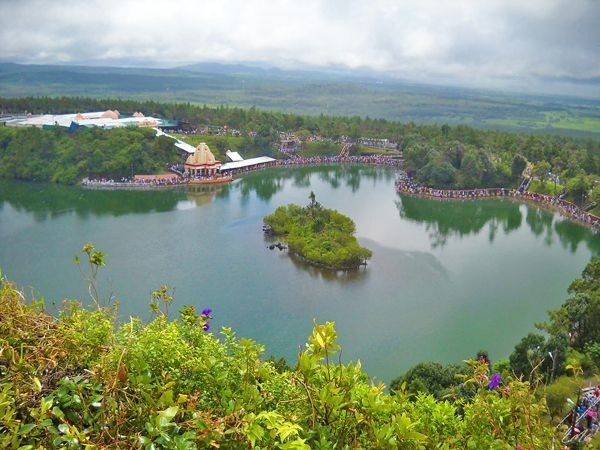
Ganga Talao Grand Bassin Mauritius (Grand Bassin) is a beautiful crater lake at around 550 m altitude in the Southwest hills of Savanne. The holy site has a temple and two shrines for Lord Shiva and the remaining gods in Hinduism. It’s a quiet spot where one is visiting to pray, meditate, or just sit back and relax and look at the scenery and play with the resident monkeys. The lake is roughly 18 m deep and full of plenty of eels and fish, because of this sacrifice being made here by Hindu devotees. Although as sacred as it is, fishing here in these holy waters is strictly not allowed.
Mangal Mahadev: The Great Shiva Statue
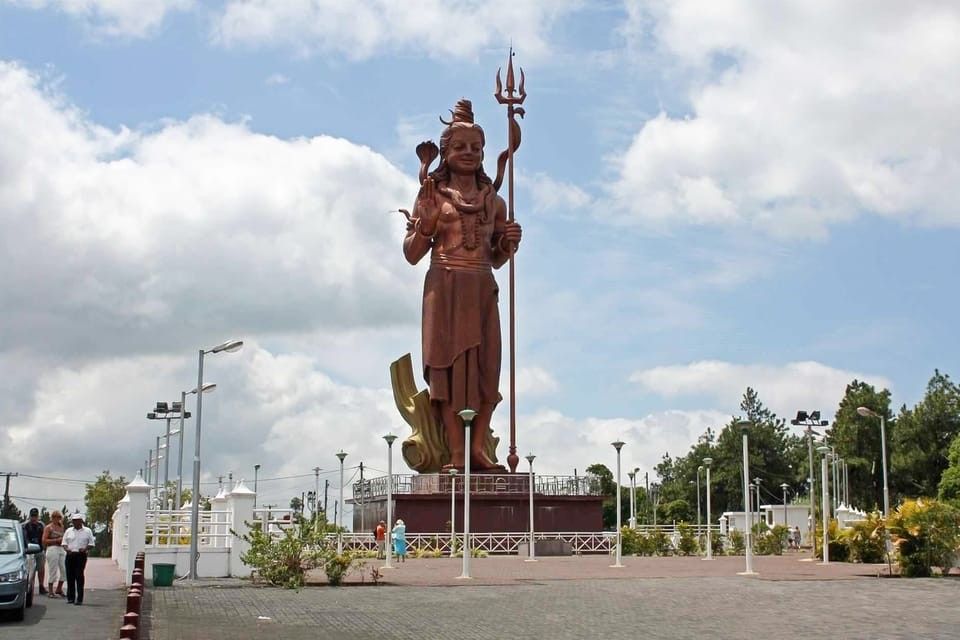
You simply can’t help but miss the absence of the gigantic Mangal Mahadev, an enormous statue of Lord Shiva (the Destroyer). Ascends to 33m (108 ft) high, Mauritius’s tallest statue. Erected in 2007, & its Sthapan (special ritual) on the 2008 Maha Shivratri festival. Ample parking & toilet facilities when organizing visiting timetable. Free Admission but do contribute towards temple upkeep. Don’t forget the tradition: Remove your shoes when you approach any temple. Among what you can see outside and within the region are Bois Chéri Tea Plantation and walks about the Southwest region. Drink it all in, if you go on a sightseeing tour to spot Ganga Talao Grand Bassin Mauritius at its best.
Religious Deities and Symbols
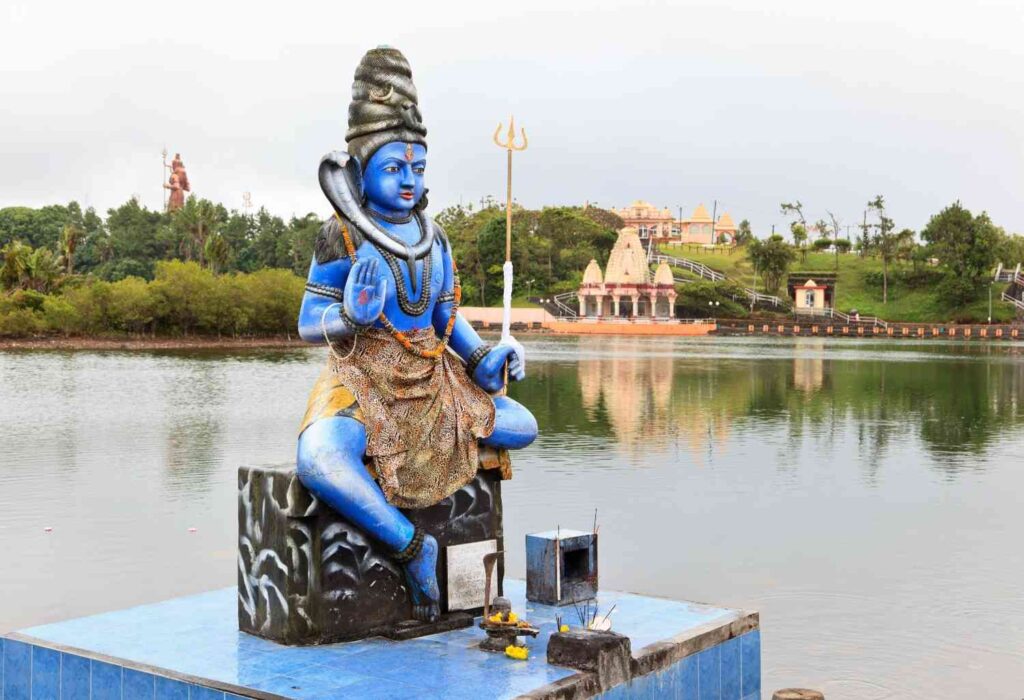
The smell of slowly smoldering Incense sticks fills the air. Good to see the shine of little lamps off the water, adding to the religious atmosphere. Take note of the smaller shrines and vividly colored statues of other favorite gods. The God with an Elephant’s head will be Ganesh, and he will be extremely recognizable. There is even a festival dedicated to him, and it is Ganesh Chaturthi. Again, one of the most well-known Hindu Gods is Hanuman, the Monkey God, whose monument stands there on the beach of the lake. The majestic statues of Ganga Talao Grand Bassin Mauritius.
The majestic statues of Grand Bassin are simply unimaginable.
They were sculpted by the very renowned Indian sculptor Shri Matu Ram Verma at the behest of the Mauritian government. They greet you as you approach the colossal statues of Lord Durga and Lord Shiva. The tallest of them all is Mangal Mahadev, the Shiva statue, one of the most famous Hindu deities. It stands at 33 meters above ground level and not only the tallest building in Mauritius but also the third tallest Shiva statue globally.
Photography and Cultural Etiquette
The photo in November 2015 is of the construction of the building, and you could just gauge the height and the effort that has gone into it.Mist would be floating above the sacred lake and bathing it in a mystical atmosphere. Spend your time at the center Hindu temple constructed in worship of Lord Shiva on the bank of the sacred lake. Relax and enjoy the scenic vistas and the sheer spirituality. Close-ups of the water to look for monstrous fish and eels. The biggest pilgrimage that occurs here is in February or March, depending on the year when 400,000 pilgrims converge on this spot to greet Maha Shivaratri, or The Great Night of Lord Shiva. You can also be a part of this fantastic festival; it is absolute adrenaline to be surrounded by Mauritian culture and have the chance to participate in the celebration along with all the locals!
Access to Ganga Talao Grand Bassin Mauritius
I would advise against driving oneself around during holidays in Mauritius.It’s stressful enough having to drive down crowded village roads, deal with dreadful drivers, and dodge stray dogs. And don’t even get me started on how many times Google Maps gets this one wrong! More hassle just to hop into a taxi with a guide-driver who will provide you with the tales of the island and you simply sit back and observe. I thoroughly appreciated this personalized tour withGanga Talao Grand Bassin Mauritius; it gives you the best of Mauritius in a day! And don’t miss the door with no camera. (I made a tiny commission on these affiliate links, but you won’t pay any more, so my site can stay online, and I can offer you insider info for your trip. Thanks for sponsoring!).
Visitor Guidelines
Ganga Talao Grand Bassin Mauritius is a holy place of pilgrimage for Hindus. Do remove your footwear when entering a temple and dress conservatively—no low-cut top or shorts. Always, always ask first before you snap a photo as a sign of respect.I would also recommend that you pack a warm sweater as the mountain weather is very unpredictable and gets very cold, even colder during winter. You are free to visit Ganga Talao at any time of the year; the holy lake is a twenty-four-hour site for visitors and pilgrims alike. No entrance fee but you may be able to donate as much as you can. Until next time in Mauritius’ Grand Bassin!
Best Time to Visit Ganga TalaoGrand Bassin Mauritius
Best Time to Visit Ganga Talao Grand Bassin Mauritius in May and November dry season is the optimum time to travel to Ganga Talao when the climate remains fair and cold enough for travelers. Although the location is open throughout the year, the optimum time to experience its sacred environment would be during the Maha Shivaratri festival in February or March.
When it occurs, the crater lake is turned into a half-million pilgrim rainbow sea of people immersed in a memory-evoking atmosphere of religiosity and happiness.An early morning visit is especially advisable to witness the holy mist rising from the holy waters and basking in the peacefulness before crowds of people in the afternoon.
Cultural Significance
Cultural Significance and Traditions Ganga Talao Grand Bassin Mauritius are a huge cultural significance being Mauritius’ holiest Hindu pilgrimage site, affectionately referred to as the “Little Ganges” of the Indian Ocean. The water of the Lake is no less holy than that of India’s river Ganges itself and, in Mauritius, many Hindus undertake a pilgrimage there to be a form of religious vow and spiritual cleansing.
The pilgrims perform their rituals here that usually involve praying, incense sticks burning, and flowers and fruits being offered to the god.The temple itself is the symbol of multi-racial existence in Mauritius that is accessible to all religions so they may seek refuge there and live its spiritual life with a feeling of deference to Hindu tradition and ceremony.
Wildlife and Natural Environments
The natural surroundings of the crater lake expose it to multi-species wildlife like some species of eel and fish in the lake. Monkeys are present across the temple grounds very much in sight, but must not be fed.The landscape is hilly and native vegetation-covered with conditions suitable for birdwatching. The region is a cold microclimate rich in altitude-based conditions, and there exist certain vegetation species settled within it. Preservation strives to preserve sanctity of the lake and ecosystem and provides room for religious practice. Where religion and nature beauty meets, an extraordinary ecological oasis is formed which welcomes pilgrims and nature lovers alike.
Photography Rules and Regulations
Photography of Ganga Talao Grand Bassin Mauritius is fine but in a peaceful and respectful demeanor.Never photograph people without their consent, especially praying faithfully.The best photographs are the huge statue of Shiva on the hillside, temple structures in lake reflections, and vibrant ceremonies in celebration.
Early morning light is the optimal time to capture the mist rising from the surface of the lake. To depict religious activity, be unobtrusive and at distance, and desist from flash during recording religious rituals. The high-angle wide shots traveling around the crater are wonderful landscape photography shots of this religious natural amphitheater.
Local Society and Customs
The religious atmosphere in Ganga Talao Grand Bassin Mauritius and hospitality to pilgrims is a significant role played by local society. Residents take pilgrims along the routes during celebrations and offer free accommodation, meals, and beverages in the time-tested tradition.Such sacrificial service of offering such facilities is a testament to extensive public involvement in guaranteeing religious practice.
Temple administrators and local priests are responsible for daily practice but regulation of continuation of the religious practice is at their mercy. Locals have opened by hosting pilgrims and yet retaining their culture. This humble association of the sacred site with locals is a living cultural heritage experience that stretches without undermining earlier traditions.
Accessibility
Ganga Talao Grand Bassin Mauritius ensure smoothness with nature. Wheelchair-surfaced tracks provide access to broader views and middle landscape of the temple.Sanitary toilets, potable water installations, and car park installations are made available.
Multilingual signage helps visitors comprehend the meaning of the site. The central zones are made available to the public, although other roads that encircle the crater can be difficult for disabled tourists. Management at the site also tries to address both conservation of the environment and access. Minimum facilities will be made for tourists while the natural and religious environment is conserved so that the original nature and tranquility of the site are maintained.
Nearby Attractions
Ganga Talao Grand Bassin Mauritius location in the southwestern highland region is ideal to be combined with other attractions. Black River Gorges National Park, Bois Chéri tea estate, and Chamarel’s rainbow earth are all within reach.Visitors mix a nature-cultural package tour with sacred lake, tea factory visits, and nature strolling.
Locals provide combinations that give hints towards cultural diversity of Mauritius and natural sites. The lower temperature conditions in the area allow for extended visits, and the diversity of available attractions under accessibility allow for one to achieve religious and natural aspects of Mauritian culture in a day tour.
Conservation Efforts
Programmes Conservation activities undertaken are geared toward preservation of the environmental integrity of the crater lake and catering to religious pilgrims. These include observation of water quality, waste management facilities, and controlling the nature impact of tourists.The authorities encourage environmentally friendly behavior of tourists and pilgrims following safe disposal of the offering and minimum use of plastic.
Green activities engage the locals in green education and sanitation campaigns. Green movements help religious practice exist together in a living form with nature conservation. Natural resource and heritage conservation is a tolerable practice of sustainable religious tourism that maintains the spiritual sanctity of the site and environmental purity of the locale for future generations.
5 FAQs About Ganga Talao Grand Bassin Mauritius
1. What is the best time to visit Ganga Talao?
Best time is in the dry winter months (May to November) for fine weather. The Maha Shivaratri festival in February/March is the most religiously significant time, when the site has massive pilgrim traffic.
2. Is there an entrance fee to visit Ganga Talao?
There is no entrance fee to visit this sacred site. Temple maintenance donations are most welcome and appreciated, though.
3. Is there a dress code for visitors?
Yes, simple clothing is mandatory for the visitors. Shorts, short skirts, and tight blouses are avoided. Removing shoes before entering the temple complex is also mandatory.
4. Can visitors attend rituals and offerings?
While visitors are encouraged to emulate all the rituals, devotees alone can perform them. You can, however, place incense sticks or pray after obtaining permission from temple authorities.
5. What is the public transport to access Ganga Talao?
Public transport buses from the major towns like Curepipe and Quatre Bornes have daily trips to Ganga Talao Grand Bassin Mauritius. Taxis and commentary tours are also available as a more convenient means of transport.