
Why Locals Shop Here
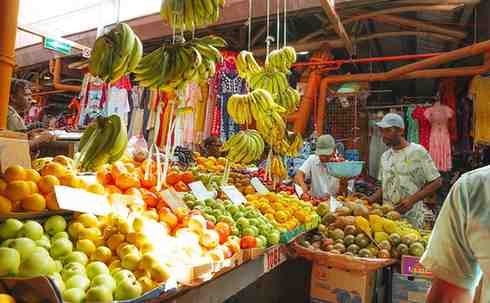
Central Flacq Market Mauritius isn’t designed for tourists. Families come here weekly to buy vegetables for dinner. The market is in eastern Flacq, away from beach resorts and tour buses. Vendors set up before sunrise. They unload crates from small trucks. Some arrive on motorcycles with baskets tied to the sides. Fresh carrots still have dirt on them. Tomatoes were picked yesterday morning. There’s an old woman who sells potatoes every Wednesday. She’s been using the same spot for thirty years. Regular customers know which vendor has the ripest mangoes. Tourists rarely find this place accidentally. But once they do, supermarket shopping seems pointless.
Getting into Flacq Market Mauritius
Flacq Mauritius has this market right in the town center. Several roads lead there. Buses stop directly outside – drivers announce it loudly. Small shops surround the area. There’s a pharmacy, two banks, and a hardware store within walking distance. The coast isn’t far. Farms are even closer. That lettuce on the vendor’s table? Harvested four hours ago. The market serves locals first. Tourists are welcome but they’re not the priority. Navigation is straightforward once you’re in Flacq. Street signs help. Asking locals is better.
Opening Times
Central Flacq Market Mauritius opening times start early. Really early. First vendors arrive at 5:30 AM. They want the best spots. By 6:00 AM, serious shoppers appear. Wednesday and Sunday are packed. Those days bring every vendor and maximum stock. Central Flacq Market Mauritius opening hours continue until afternoon. But most action happens before noon. After 1 PM, vendors start packing up. The sun gets brutal. Inventory runs low. People leave. Showing up at 2 PM means finding almost nothing. Five wilted lettuce heads and some overripe bananas. Early birds get the fresh produce here.
Want to see dolphins after shopping? Check this dolphin tour in Mauritius guide.
The Parking Problem
Flacq market parking is terrible. There’s an official lot. There’s street parking. Neither has enough space. After 7:30 AM, forget it. You’ll circle blocks looking for openings. Scooters fit into tiny gaps. Cars don’t have that luxury. Sometimes you park three streets away. Then walk back carrying groceries. Smart shoppers drop someone off first. That person shops while the driver finds parking. They meet up later. Weekends are worse than weekdays. Wednesday and Sunday mornings create nightmares for parking. Arriving before 7 AM solves most problems. Otherwise, patience becomes mandatory.
What It’s Like Inside
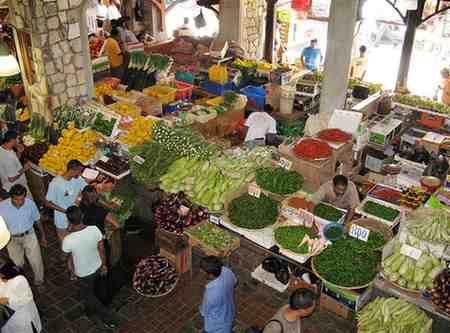
The market is loud. Vendors shout prices. Customers argue about quality. Kids complain about being dragged along. Narrow aisles make movement tricky. You squeeze past people examining pineapples. The smell hits immediately – ripe mangoes, fresh herbs, fried snacks, fish from the corner stalls. After ten minutes, your nose adjusts. Vendors recognize regular customers. “Madame, I saved the good papayas for you!” happens constantly. Displays look artistic – pyramids of tomatoes, cascading green beans. Then customers destroy them within seconds. The heat builds as morning progresses. No air conditioning exists here. Fans barely help. This is raw, authentic shopping.
Beach time works well after market chaos. Blue Bay Beach has calm water and good snorkeling.
What Things Cost
Central Flacq Market Mauritius price levels beat supermarkets easily. Tomatoes cost 40 rupees per kilo here. Same tomatoes cost 80 rupees at grocery stores. When mangoes are in season, vendors practically give them away. Vanilla pods cost a quarter of what fancy stores charge. Honey is cheap too – actual honey, not fake syrup. Clothes and fabric start high. But negotiation brings prices down. The economy makes sense. No middleman exists. That farmer selling eggplant grew it himself. Transportation costs nothing – his farm is twenty minutes away. Supply and demand work in real time. Too many tomatoes? Prices drop. Not enough? Prices rise.
Taking Photos
Central Flacq Market photos look amazing. Colorful produce everywhere. Interesting people. Good natural light in the morning. But ask permission first. Always. These vendors are working. They’re not models. Most don’t mind after you buy something. Some happily pose. Others say no. Respect that. Don’t sneak photos of people’s faces. Don’t block aisles by getting “perfect shots.” Vendors lose business when photographers block customer access. Buy something. Chat briefly. Then ask about photos. Simple courtesy works.
What People Say
Flacq market reviews mention the authentic atmosphere. Translation – it’s crowded, hot, and lacks fancy facilities. Tourists like bargaining. Locals praise the produce quality. Common advice – come early, bring cash, don’t expect Western bathrooms. Some visitors wanted more souvenirs. This is mainly a food market. Negative reviews come from people arriving at noon. Or those uncomfortable with crowds. Most agree it beats tourist traps. Real people doing real shopping creates better experiences than staged markets.
Eastern views are spectacular. Baie Maconde Viewpoint shows dramatic coastline.
Finding Stuff
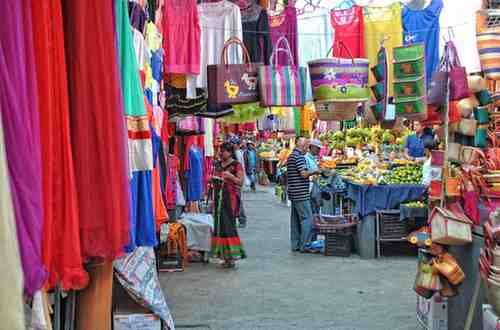
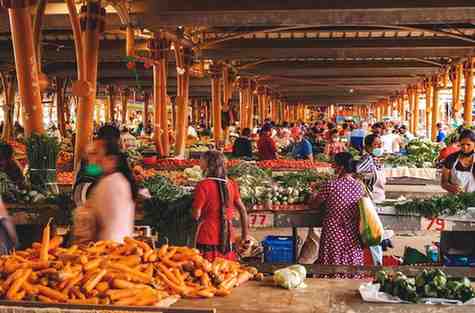
The Flacq market directory doesn’t exist on paper. Vegetables dominate the center. That’s prime location. Spices are nearby. Handicrafts circle around. Textiles have their section. Fish vendors stay in corners with drainage. They need running water constantly. Household items cluster together – buckets, brooms, cheap electronics. Snack vendors position near exits. They catch people leaving. This layout evolved naturally. Nobody planned it in meetings. Old vendors keep their spots. New ones grab what’s available. Regular customers know exactly where to go.
Central Flacq vs Port Louis
Port Louis market is bigger. More famous. Sits in the capital city. Tourist buses stop there. Souvenir shops everywhere. Port Louis caters to visitors. Central Flacq serves locals. That’s the fundamental difference. Prices reflect this. Port Louis charges tourist rates. Central Flacq charges local rates. Infrastructure is better in Port Louis. More variety too. But Central Flacq feels more authentic. Vendors remember names. Conversations happen. Port Louis handles massive crowds. Central Flacq focuses on its region. Both are worth visiting. Different purposes though.
Why Farming Still Matters
The main industries in Mauritius shifted to tourism and finance. But farming didn’t disappear. Sugar cane still covers large areas. Small farmers grow vegetables, fruits, and herbs. Markets like Central Flacq depend on them. Government policies affect what gets planted. Weather impacts harvests. Good crops lower prices temporarily. Bad weather raises them immediately. Cyclones damage fields. Prices spike for weeks. These economic principles play out visibly. Markets connect farmers to consumers. Tourism brings money. Farming feeds people. Central Flacq bridges both worlds.
See the island from above. Helicopter tour pricing details here.
Other Markets Around
Markets in Mauritius have different personalities. Port Louis is the heavyweight. Mahebourg market has fishing village vibes. It’s on the south coast. Goodlands market up north gets crazy on Tuesdays. Quatre Bornes operates year-round. Coastal markets sell lots of fish. Inland markets focus on vegetables. Some are open daily. Others operate specific weekdays only. Each reflects its region. Village markets happen once or twice weekly. Locals plan their weeks around market days.
Village Market Culture
Local markets in Mauritius maintain old traditions. These aren’t just shopping spots. They’re social hubs. Elderly people meet friends here. Young entrepreneurs test business ideas. Vendors extend credit to trusted customers. They hold items for people running late. They give extra portions to struggling families. Multi-generational businesses operate – kids eventually take over from parents who took over from grandparents. Market stalls are inherited. Relationships matter more than transactions. These markets keep communities connected.
Shopping Smart
Visiting Flacq Central Market needs some planning. Bring reusable bags. Plastic ones tear easily. Cash is essential. Most vendors don’t take cards. Negotiate on clothes and crafts. Food prices stay fixed usually. Walk around first before buying. Check prices at multiple stalls. Watch where locals shop. They know quality. Don’t impulse buy everything. Although those mangoes might be too good to resist.
Peaceful gardens await. Mauritius National Botanical Garden offers shade and beauty.
Seasons Change Everything
The Flacq Mauritius market shifts with seasons. Summer brings mangoes, lychees, pineapples. Winter has different crops – squashes, root vegetables. Chinese New Year adds special snacks. Diwali brings sweets and decorations. Eid means more spices and dates. Cyclone season disrupts operations. Storms damage crops. Prices rise after bad weather. Harvest times create abundance. Prices drop temporarily. School holidays bring more families. Kids aren’t in class, so parents bring them along.
Photo Manners
Central Flacq Market Fotos need permission. Ask first. Always. Most vendors agree after you buy something. Some pose happily. Others decline. Accept both responses. Don’t sneak candid shots. Don’t block traffic for photos. These are working people earning livings. Not zoo animals. Show respect. Take photos that maintain dignity. Don’t post embarrassing images. Basic courtesy matters.
Food Safety
Fresh produce quality depends on vendor reputation. Check vegetables visually. Look for bruises or weird spots. Vendors offer samples sometimes. Watch where locals buy. They know quality. Health inspectors supposedly check vendors. Enforcement varies though. Limited refrigeration means meat and dairy sell out fast. Heat spoils things quickly. Use common sense. Sketchy-looking items? Skip them. Busy vendor stalls usually mean quality.
Getting Their Options
Reaching Central Flacq Market has several methods. Buses run frequently. They’re cheap and drivers know the route. Rental cars give flexibility. You need trunk space for purchases. Taxis work but cost more. Agree on price beforehand. Rideshare apps function here. Upfront pricing helps. Some hotels arrange market trips. They charge premium rates. Bicycles handle the flat terrain. Securing them safely is tricky though. Getting there is easy. Parking is a challenge.
Northern beaches have great swimming. Pereybere Beach offers calm conditions.
Bargaining Basics
Understanding bargaining at Central Flacq helps. Clothes, crafts, textiles – negotiate these. Food prices stay fixed mostly. Start around 60-70% of asking price. Stay friendly during discussions. Aggressive tactics offend vendors. Some refuse sales to rude people. Buying multiple items strengthens your position. Vendors like moving inventory. Group purchases work similarly. The goal is fair pricing. Not crushing vendors. Not getting ripped off either. Find the middle ground.
Best Buys
Certain products at Central Flacq Market Mauritius are genuine bargains. Vanilla pods cost way less than stores back home. Local honey tastes great and costs little. Handwoven baskets work as practical souvenirs. Fresh tropical fruits make perfect snacks. Vendors peel and cut them. Spice blends beat commercial versions. Embroidered tablecloths showcase real craftsmanship. Hand-dyed sarongs are beautiful. Tea selections attract many buyers. Sauces and chutneys use traditional recipes. These items represent real value.
Weather Matters
Mauritius weather affects market visits. Morning is cooler. Afternoons bring heat and rain in summer. Bring sun protection. Light clothes help. Covered sections provide rain shelter. Shopping continues during brief storms. Humidity bothers more than temperature. Early morning is most comfortable. Rainy season needs waterproof bags. Vendors wrap items in plastic anyway. Extreme weather reduces crowds. Sometimes it creates better deals.
Full Day Planning
The eastern region around Central Flacq has multiple attractions. Beaches nearby offer relaxation. Historical sites exist within driving distance. Natural landmarks are close. Plan routes efficiently. Don’t backtrack constantly. Museums are open in the afternoons. That complements morning market timing. Restaurants serve lunch made from market ingredients. Literally farm-to-table within hours. East coast differs from touristy west. Central Flacq sits in the middle of it all.
Supporting Local Economy
Purchasing at Central Flacq helps small farmers. Money stays in communities. Each sale matters to vendors. They depend on daily income. Economic impact extends beyond visible vendors. Transport workers benefit. Packaging suppliers’ benefit. Maintenance workers benefit. Traditional markets strengthen local economies. Big retail chains extract money. They send profits elsewhere. Central Flacq keeps money local. That helps regular people.
Staying Safe
Central Flacq is relatively safe. Basic precautions help. Secure valuables. Stay aware of surroundings. Don’t flash excessive cash. Don’t wear expensive jewelry. Community atmosphere provides safety. Vendors protect regular customers. Crowded areas attract pickpockets everywhere. Watch belongings in dense crowds. Walk confidently. Looking lost attracts unwanted attention. Unofficial guides might approach. Decline politely unless you want help. Most interactions are normal shopping.
Language Help
Vendors speak Creole primarily. Then French. Then English. Basic French helps. Most manage English for shopping. Learn simple Creole greetings. Points win immediately. Hand gestures work across language gaps. Someone nearby usually speaks English. They volunteer to help. Show numbers on phones. Eliminates price confusion. Language barriers shrink fast. Buying and selling transcends language. Don’t stress about communication.
Shopping Sustainably
Sustainable habits benefit everyone. Refusing plastic bags. Bring reusable ones. Buy seasonal local produce. Purchase only what you’ll use. Prevent waste. Request minimal packaging. Vendors gradually adopt better practices. Composting creates organic produce demand. Farmers reduce chemicals. Markets operate sustainably naturally. Local products. Minimal packaging. Short supply chains. Better than big box stores.
Timing Crowds
Understanding patterns helps planning. Wednesday and Sunday are packed. Maximum variety though. Mid-morning balances selection and crowds. Early afternoon has bargains. Selection drops though. Arrive at opening for best picks. Or wait until closing for discounts. Vendors prefer selling to hauling home. Holidays intensify everything. More crowded. More chaotic. School holidays bring whole families. Kids aren’t in school.
Making Memories
Market visits become memorable through engagement. Talk to vendors. Ask about products. Try unfamiliar fruits. Vendors recommend favorites. Observe how business works. How relationships function. Active participation beats passive tourism. Return visits show seasonal changes. Each visit reveals new details. Connections with vendors last longer than purchased items. Learning from someone’s story creates richer memories.
Planning Details
Successful visits need logistics planning. Allocate 2-3 hours minimum. Bring enough cash. Wear comfortable shoes. Concrete floors tire feet. Arrive hydrated and fed. Maintains energy. Backpacks distribute weight better. Plan return transportation beforehand. Prevents stress when exhausted. These details seem minor. Ignoring them creates regret.
Questions about Mauritius experiences? Contact us for planning help.
What to Bring
Pack these items. Reusable shopping bags. Small bills for transactions. Hand sanitizer for hygiene. Phone for photos. Notebook for tracking spending. Hat or umbrella for sun. Tissues for various needs. Water bottles prevent dehydration. Coconut water from vendors works too. Prepare for basic conditions. Traditional markets lack modern amenities.
After Shopping
Surrounding areas offer activities. Restaurants serve authentic cuisine. Made from market ingredients. Coastal drives show eastern scenery. Cafes provide refreshment. Craft workshops welcome visitors. Watch artisans work. Beaches are short drives away. Smooth transition from culture to relaxation. East gets less tourist traffic. Everything feels more authentic.
Need comprehensive tour planning? Contact our team for complete arrangements.
Bottom Line
Central Flacq Market Mauritius delivers authentic experiences. This market serves locals to buy groceries. Not tourists collecting photos. Fresh produce, handmade goods, genuine interactions – all here. Planning improves experiences. Spontaneity rewards too. Best discoveries happen wandering. Cultural sensitivity matters. Respect local customs. Connections often matter more than purchases. Markets within community economics transform shopping into cultural exchange. Central Flacq works when approached with curiosity and respect. Not expectations from tourist brochures. This represents real Mauritian working-class life. Rare opportunity experiencing island culture beyond tourist presentations.
Frequently Asked Questions
What time does Central Flacq Market open on weekends?
Market opens around 6:00 AM on weekends. Wednesday and Sunday are busiest. Maximum vendors and merchandise those days.
Is bargaining acceptable at Central Flacq Market?
Yes, for textiles, handicrafts, souvenirs. Fresh produce and food have fixed prices mostly.
How much cash should I bring to the market?
Bring 1000-2000 Mauritian Rupees. Enough for substantial shopping. Varies by plans.
Can I pay with credit cards at Central Flacq Market?
Most vendors are cash-only. Bring Mauritian Rupees for smooth transactions.
What’s the best day to visit the market?
Wednesday and Sunday mornings offer maximum variety. Authentic atmosphere. Larger crowds though.
Are there restroom facilities at the market?
Basic facilities exist nearby. May not meet Western standards. Plan accordingly.
How long should I plan to spend at the market?
Allocate 2-3 hours. Allows thorough exploration. Vendor interaction. Leisurely shopping.
Is the market suitable for families with children?
Yes. Families enjoy vibrant atmosphere. Keep children close in crowds. Ensure safety.
Quick Reference Table: Central Flacq Market Essentials
| Category | Details |
| Best Visiting Days | Wednesday & Sunday mornings |
| Opening Hours | Approximately 6:00 AM – 2:00 PM |
| Parking Availability | Street parking & dedicated lot nearby |
| Payment Methods | Cash only (Mauritian Rupees) |
| Peak Crowd Times | 8:00 AM – 11:00 AM |
| Recommended Duration | 2-3 hours |
| Language | Creole, French, English |
| Photography | Allowed with vendor permission |
| Bargaining | Expected crafts/textiles, not food |
| Must-Buy Items | Vanilla pods, honey, tropical fruits, textiles |
Start planning authentic Mauritian market adventures today. Discover why Central Flacq Market remains beloved destination for locals and travelers seeking genuine island experiences!
Pingback: Mauritius Day Tours: Complete Travel Guide for 2025