Introduction to the Park
The Black River Gorges National Park is Mauritius’ best-conserved natural refuge. This stunning preserve covers 67.54 square kilometers of the island’s southwest highlands. Created in 1994 as Mauritius’ first national park, this reserve is the island’s main protector of indigenous biodiversity as it stands today.
The development of the park was a landmark in the history of environmental conservation in Mauritia. It was driven by sheer need to save declining forest habitats and threatened species. Today, it remains a paradigm of effective conservation techniques and ecological rehabilitation schemes.
Historical Significance
Black River Gorges National Park was a product of late 20th-century conservation crises. Widespread deforestation had shrunk Mauritius’ native forests to below 5% of their previous extent. Deforestation drove many endemic species to the brink of extinction.
Intervention from the government became necessary to conserve Mauritius’ natural heritage. Setting up the park was a reaction to global pressure and national conservation efforts. The action averted irreparable environmental harm to the island’s distinctive ecosystems.
Geographical Overview
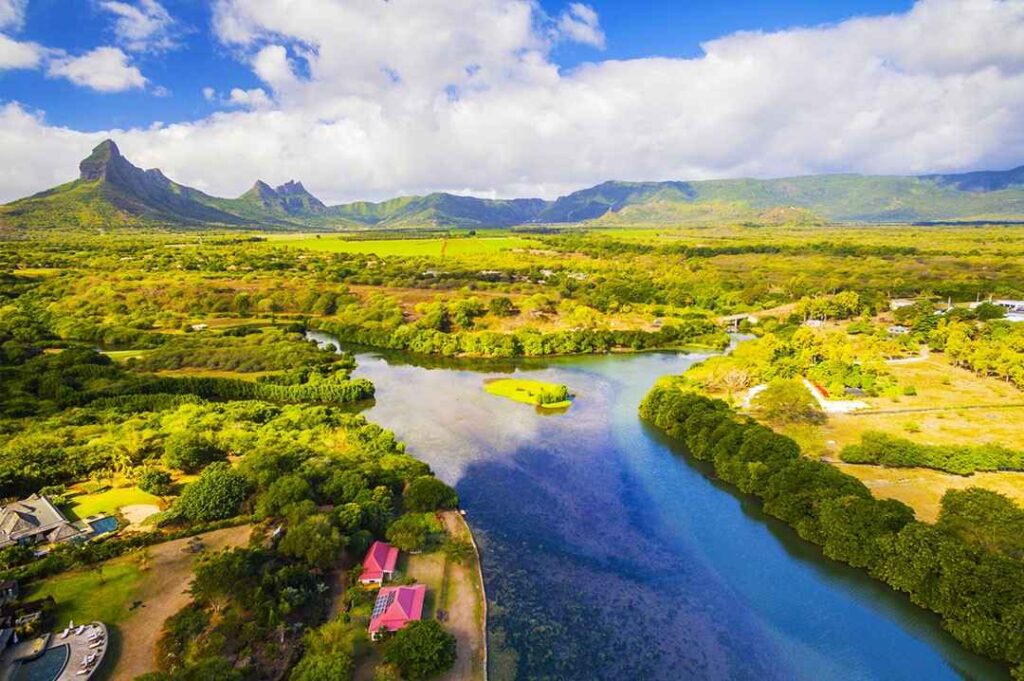
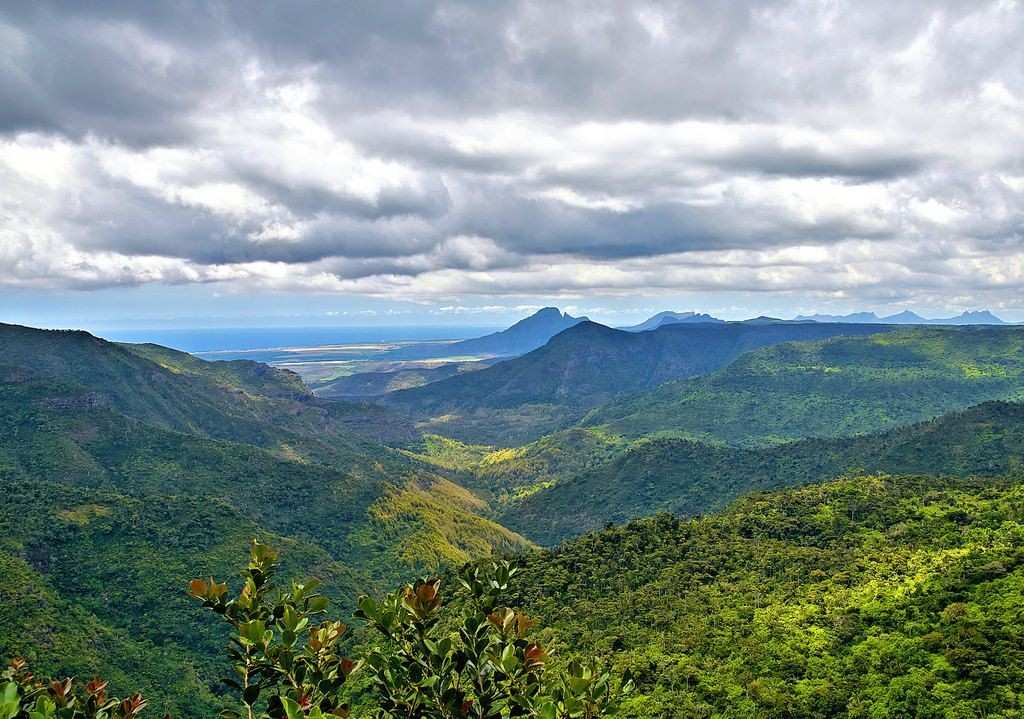
Black River Gorges National Park is incredibly diverse in its topography throughout its vast area. The terrain offers river gorges that are steep, plateaus at high elevations, mountain peaks, and valleys with steep slopes. All these disparate landforms produce lots of microclimates within the park.
Piton de la Petite Rivière Noire, standing at 828 meters and the island’s highest summit, is the park’s geological anchor. Black River itself sculpted the phenomenal gorges the park is renowned for. These land parcels form striking scenic landscapes and varied habitats.
Ecological Importance
The Black River Gorges National Park is Mauritius’ most important reservoir for biodiversity. It maintains the island’s only extensive tracts of native vegetation. Conservation is key to the continuance of ecological processes such as water purification and the stabilizing of the soil.
The park is the sole refuge for the species that are extinct in other parts of Mauritius. It gives refuge to scientific research and conservation programs to operate effectively. This diversity translates beyond Mauritius’s borders into international conservation of diversity.
Flora Diversity
Black River Gorges National Park receives amazing flora with more than 300 flowering plants. Ebony forests which are native to most of the park are predominantly covered in trees that are centuries old. They possess more than one layer of forest floor and canopy vegetation.
A few of the endemic species are uncommon and consist of the tambalacoque or dodo tree and a few unusual-looking orchid species. The vegetation in the park features dry lowland forests as well as cloudy upland forests. Diversity allows for intricate ecological relations among plant species.
Fauna Diversity
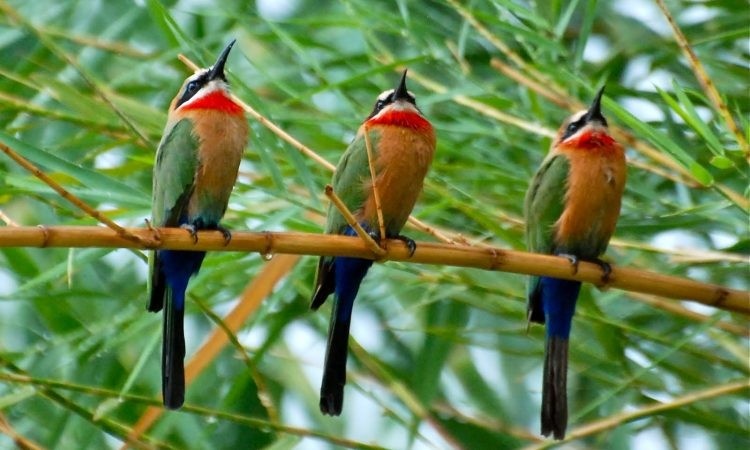
Black River Gorges National Park offers refuge for Mauritius’ most endangered animal species. Nine bird species that are unique to Mauritius flourish within the park’s borders. They are represented by the famous pink pigeon and the Mauritius kestrel.
The park maintains distinctive reptiles such as the Ornate day gecko and Mauritius fody. Local insects and invertebrates’ function to maintain ecosystem processes. Ecological roles performed in pollination during forest are demonstrated by bats such as the Mauritian flying fox.
Endemic Bird Species
Black River Gorges National Park is internationally acclaimed for having unique avian residents. The Mauritius kestrel is one of the most celebrated conservation stories. Populations have risen from only four wild birds to several hundred birds.
The echo parakeet is the only surviving indigenous Mascarene parrot. The success in the recovery of the pink pigeon to less than 20 birds illustrate successful conservation management. The birds solely rely on the conserved habitat of the park for existence.
Conservation Programs
Intensive species recovery initiatives are implemented in the Black River Gorges National Park. The Mauritian Wildlife Foundation implements basic breeding programs inside the park. These include captive breeding, predator control, and restoration of habitats.
Invasive species control programs are implemented by park authorities to provide protection to native ecosystems. Ongoing monitoring for new threats allows them to be discovered early. Such multifaceted approaches have assisted in rescuing numerous species from extinction.
Hiking Trails Network
Black River Gorges National Park has more than 60 kilometers of surfaced trails for walking. The trails vary from easy walking to demanding mountain ascents. Each trial offers different panoramas of the park’s varied landscape.
Macchabee Trail still remains the most sought-after day-hiker path. Black River Peak Trail invites experienced walkers to the summit of Mauritius. The trails are well marked with difficulty and estimated time of completion.
Scenic Viewpoints
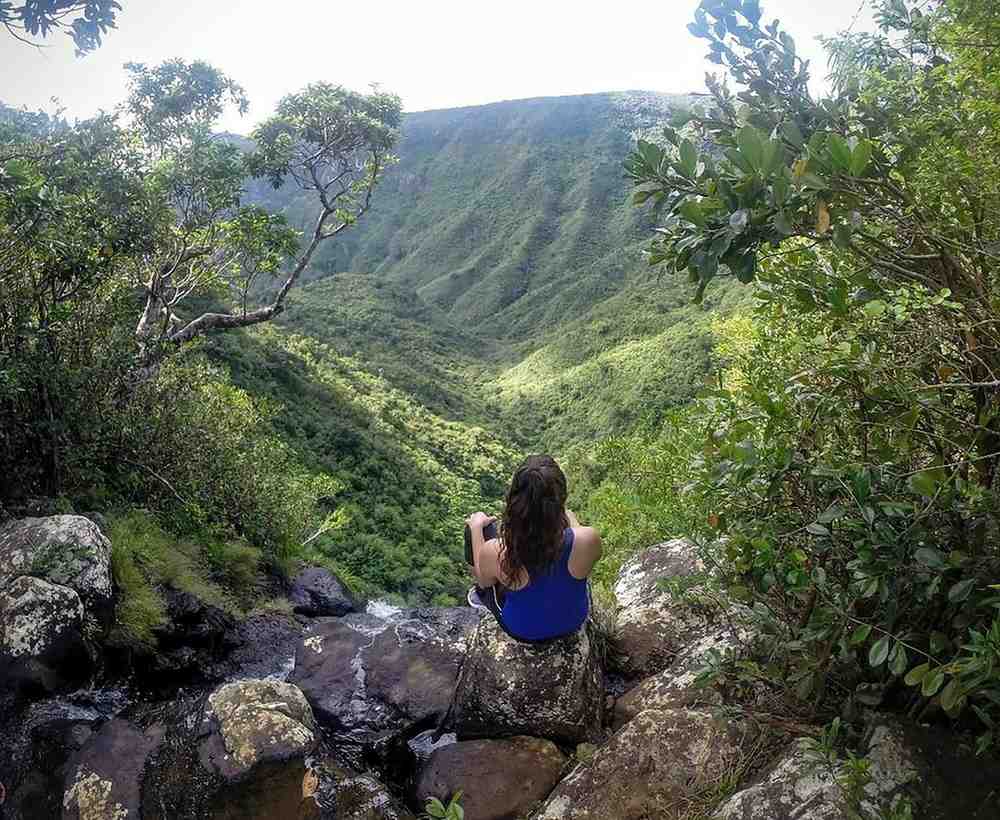
There are several very well-positioned viewpoints in Black River Gorges National Park. There are valley rim views from the main Black River Gorges Viewpoint. Alexandra Falls Viewpoint has a stunning 700-meter waterfall.
The views provide sensational photography during the day. Early morning trips typically uncover foggy valleys that create mystical environments. Warm late afternoon sunlight then brings wide views golden glints through forest cover.
Waterfalls and Rivers
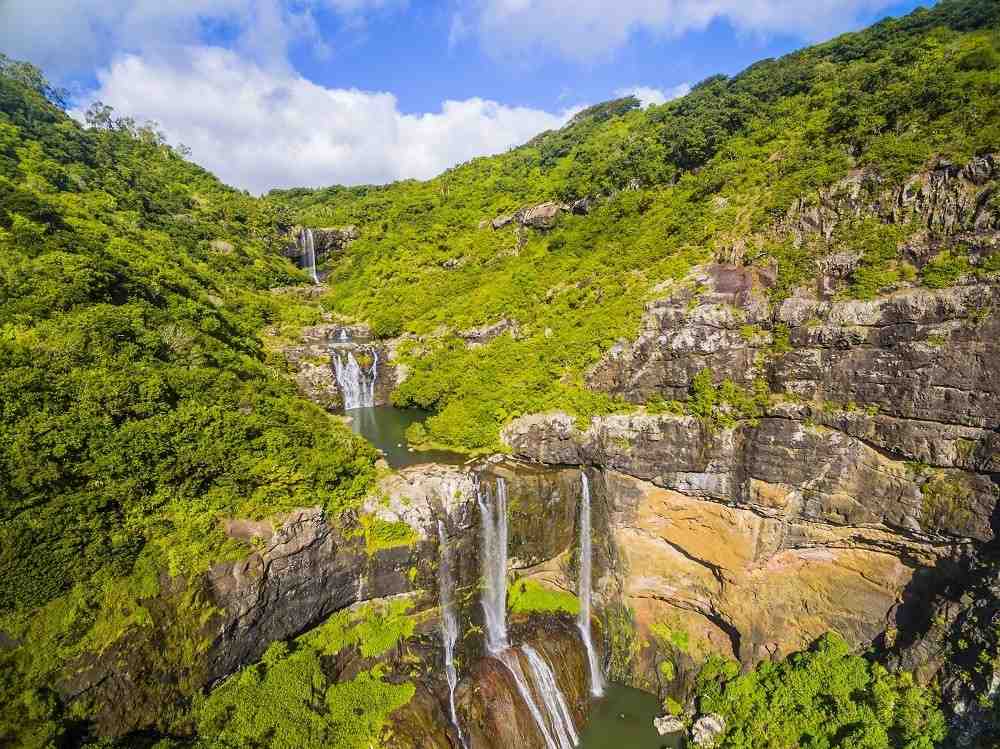
Black River Gorges National Park safeguards the headwaters of significant rivers. The rivers produce breathtaking waterfalls along the park’s rugged landscape. The eponymous Black River flows through gorges hundreds of years old created by gradual water action.
Waterfalls transition from cascade to dramatic plunge along lineages of cliffs. The aquatic environments supply critical habitat for specialized wildlife. The rivers also supply fresh water for communities outside the park.
Visitor Information
Black River Gorges National Park hosts visitors year-round without free-of-charge fees. Two principal information offices in Pétrin and Black River offer orientation services. The offices give maps, trials, and reports on current conditions.
Park operating hours are from sunrise to sunset every day for visitors’ safety. Main entrance facilities like restrooms and picnic sites are offered. Visitors are recommended to look for up-to-date information before venturing the longer trails.
Best Visiting Times
The Black River Gorges National Park offers best conditions from the months of May to October. Winter season gives low temperatures and minimal rain. Trails are relatively dry, and visibility is significantly improved during these times.
Early morning visits offer optimum wildlife viewing. Weekdays are less tourist-populated compared to weekends. The scenery of the park varies during rainy times with more waterfalls and more vegetation.
Must-Have Equipment Checklist
Visitors to the Black River Gorges National Park need proper equipment to be safe and comfortable. Good gripping hiking boots are needed for rough areas. Rain ponchos or rain jackets serve as protection from sudden rain showers.
There needs to be a sufficient supply of water since there is no drinking water on trails. Energy foods provide a consistent energy source while walking long distances. Binoculars significantly improve wildlife sightings throughout the park.
Photography Opportunities
Black River Gorges National Park offers great photography opportunities throughout its length. Wildlife photographers get rare bird species in the wild. Landscape photographers derive unlimited inspiration from the dramatic landscapes.
Rise early provides the best weather for forest photography. Photos of waterfalls are enhanced by partly cloudy conditions that lower contrast. A telephoto lens is needed in taking wildlife photos from suitable distances.
For a contrast to the wild south, explore the bustling capital Port Louis or the tranquil northern beaches on a dedicated North Island Tour
Advantages of Guided Tours
The Black River Gorges National Park fully opens its secrets by experienced guides. Experienced guides have unmatched wildlife sighting ability that the inexperienced eye cannot discern. They present interesting facts regarding ecological relationships and conservation tales.
Guides provide security for those on more difficult routes. Guides know more about the park’s natural and cultural history. Guided tours contribute to conservation indirectly by providing employment and raising awareness.
Environmental Threats
Black River Gorges National Park is under continuous threat from invasive species. Invasive plants such as Chinese guava have the potential to dominate native species. Predator species such as rats and monkeys impact counts of birds that breed.
Climate change is an impending threat in the form of changed precipitation regimes. Edges are created by human activity at park borders at some points. Ongoing management intervention is needed to respond to these persistent challenges.
Research Significance
The Black River Gorges National Park is a laboratory for living research. Scientists examine ecosystem function and species interactions. Long-term monitoring programs monitor population dynamics and environmental health.
Scientific studies directly guide conservation goals and management practices. The park makes a strong contribution to knowledge of island biology worldwide. International organizations and domestic scientists collaborate on research initiatives.
Community Participation
The Black River Gorges National Park benefits from effective community participation initiatives. The local people assist in eliminating alien plants and replanting forests. Educational programs make young Mauritians sensitive to conservation principles.
Support for this comes from within, being relevant to the reporting of illegal activity within park boundaries. Tourism based in parks provides livelihood opportunities for local guides. Such engagement brings shared ownership of conservation rewards.
Local Sites
Black River Gorges National Park is part of a higher regional grouping of sites. There is a geological site, the Seven Colored Earths, at Chamarel. Rhumerie de Chamarel distillery visits and tasting are available.
Grand Bassin sacred lake is a significant Hindu pilgrim attraction. These satellite locations provide varied itinerary combinations for tourists. Tour operators usually combine park tours with these surrounding locations.
Accommodation Options
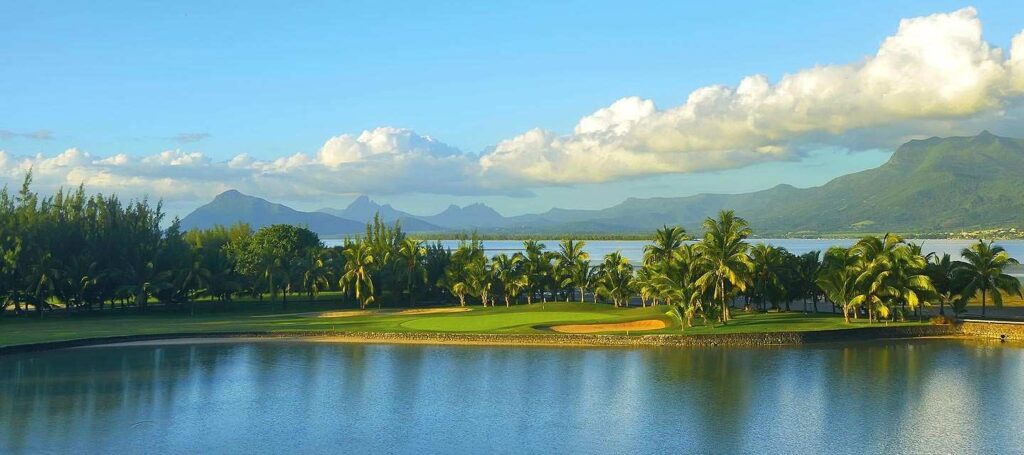
Black River Gorges National Park has numerous accommodation options surrounding it. High-end resorts provide full amenities with great park vistas. Intimate guesthouses provide local surroundings close to park entrances.
Camping within park limits is not allowed to conserve wildlife. Pre-reservations are advisable during peak season. Some accommodations can organize guided tours to the park for their guests.
Sustainable Tourism Practices
The Black River Gorges National Park encourages positive visitor behavior in educational terms. The “leave no trace” policy avoids over-populating human activity over sensitive ecosystems. Remaining on designated trails avoids distorting sensitive vegetation.
It is necessary to respect wild animals by keeping quiet and far away. Garbage disposal in the proper manner avoids contact of animals with harmful chemicals. Such measures keep the park intact for coming generations.
Future Conservation Vision
Black River Gorges National Park keeps on expanding through strategic acquisition of land. Operations are concentrated on linking fragmented forest patches to form contiguous large habitats. Reintroduction programs are designed to bring back missing ecological elements.
Advanced technology for monitoring encourages awareness of the health of ecosystems. Partnerships with communities strengthen protection mechanisms. Future for the park guarantees Mauritius will maintain its natural heritage forever.
Frequently Asked Questions
1: Why is Black River Gorges National Park special?
It safeguards Mauritius’ remaining major indigenous forest and endemic species, which occur nowhere else. The national park is a success story in conservation with various species rescued from extinction.
2: Are there harmful animals in the park?
There are no harmful mammals in the park. Visitors must be more aware of uneven trails and changeable weather than wildlife issues.
3: Are children allowed to visit the park?
Family trails are provided but attention is required close to steep slopes and riverbanks. Short trails are appropriate for children’s capabilities.
4: Is professional leading essential?
While venturing alone is possible, guides truly enrich wildlife viewing and educational experience. First-time visitors especially appreciate guided tours.
5: What are the parking hours of operation?
The park is open every day from 6:00 AM until 6:00 PM with no night-time entry allowed. These hours optimize visitor safety and reduce wildlife disturbance.
6: How are the trails available?
Main trails are well signed but have natural surfaces and changes in elevation. Physically disabled visitors should obtain information from park staff for suitable routes.
7: Are food and water available?
There are no services provided by the park. Everything needed to support activities has to be carried out by the visitors.
Pingback: Public Holidays 2025 Mauritius: Complete Calendar & Planning Guide