Planning your next getaway and torn between countless destinations? Nigerian travelers who’ve experienced Mauritius Custom Tours for Nigerian visitors rarely regret their choice – this Indian Ocean gem combines jaw-dropping beaches, cultural richness, and hassle-free entry that many “easier” destinations simply can’t match. Whether you’re budgeting carefully or ready to splurge, whether traveling solo, with family, or in groups, Mauritius Custom Tours for Nigerian travelers adapt to your needs rather than forcing you into cookie-cutter packages that waste your time and money.
Why Nigerian Travelers Prefer Mauritius to Mainstream Destinations
Most Nigerians pick Mauritius after getting frustrated with complicated visa processes elsewhere – here, you simply show up, and immigration stamps your passport for 60 days, no advance applications or embassy interviews required. But convenience alone doesn’t explain why visitors keep returning: the island’s religious diversity means Muslim travelers find mosques and halal food easily, Christians discover familiar church services, and everyone benefits from locals who genuinely understand cultural differences rather than just tolerating them. Experiencing authentic cultural events in Mauritius throughout the year adds layers most beach destinations completely miss.
What Custom Tour Packages Actually Mean for Nigerian Visitors
Generic group tours force everyone onto the same schedule regardless of individual needs – you eat when they say eat, visit places you don’t care about, and rush through spots you’d prefer exploring thoroughly. Custom packages flip this completely: operators build trips around YOUR requirements, whether that means halal meals at specific times, morning schedules accommodating Fajr prayers, avoiding alcohol-serving establishments, or skipping crowded tourist traps for authentic local experiences. You communicate directly with English-speaking coordinators who listen instead of reading scripts, and adjustments happen quickly when plans need changing.
Realistic Flight Connections from Lagos and Abuja
No airline flies direct Nigeria-Mauritius routes, so connections become unavoidable. Emirates through Dubai works reliably for most travelers – Lagos departures connect smoothly with Mauritius flights, though Dubai layovers sometimes stretch 4-6 hours depending on schedule alignment. Qatar Airways via Doha offers similar routing with potentially shorter connections, while Ethiopian Airlines from Addis Ababa provides budget-friendly alternatives though aircraft quality varies more noticeably. Turkish Airlines through Istanbul adds extra hours but sometimes costs $200-300 less roundtrip, worthwhile savings if your schedule permits longer travel days.
What Nigerian Travelers Actually Spend in Mauritius
| Expense Category | Budget Approach | Moderate Spending | Luxury Experience |
| Round-trip Flights | $800 – $1,000 | $1,000 – $1,300 | $1,300 – $2,000 |
| Accommodation (7 nights) | $400 – $700 | $700 – $1,500 | $1,500 – $4,000 |
| Food & Restaurants | $200 – $350 | $350 – $600 | $600 – $1,200 |
| Tours & Excursions | $250 – $400 | $400 – $800 | $800 – $1,500 |
| Local Transportation | $100 – $200 | $200 – $400 | $400 – $800 |
| Realistic Total | $1,750 – $2,650 | $2,650 – $4,600 | $4,600 – $9,500 |
These numbers reflect what travelers report spending, not marketing estimates that ignore reality. Packages bundling multiple elements reduce costs noticeably compared to booking everything separately, plus you avoid getting nickel-and-dimed with surprise charges that independent bookings often spring on unsuspecting tourists.
Must-Visit Locations That Actually Deliver
Grand Baie on the northern coast mixes shopping, dining, and nightlife without feeling overly commercialized, while Pereybere Public Beach nearby offers swimming and snorkeling that locals actually use rather than tourist-only zones. Downtown Port Louis shows colonial history alongside modern development – markets sell everything from fresh fish to knock-off designer goods, and street food stalls serve authentic Mauritian snacks for rupees instead of inflated tourist prices. Southern regions showcase Chamarel’s naturally colored earth formations that photographs can’t quite capture accurately, plus waterfalls powerful enough you feel the spray from viewing platforms.
Adventure Options Beyond Basic Beach Lounging
Yes, beaches justify the trip alone, but scuba diving in Mauritius reveals why serious divers return repeatedly – coral health exceeds many Caribbean locations, visibility commonly reaches 20-30 meters, and wrecks range from shallow beginner sites to technical-level challenges. Non-divers enjoy parasailing that feels thrilling rather than tame tourist versions elsewhere, while kayaking and paddleboarding let you explore coastlines independently. Inland, zip-lining through Casela park forests gets your adrenaline pumping properly, quad biking tackles genuinely rugged terrain, and hiking trails lead to summits offering views that resort pools simply cannot compete with.
Planning Family Trips That Work for Everyone
Traveling with kids means balancing their needs against adult preferences, and family-friendly Mauritius tours handle this better than most destinations. Casela Nature Park combines safari-style tours kids love with zip-lines and walking trails keeping teenagers engaged, while La Vanille’s giant tortoises let younger children interact safely with exotic animals. Beaches with gradual depth drops provide worry-free swimming supervision, catamaran cruises include snorkeling stops where even nervous swimmers spot tropical fish easily, and resort kids’ clubs entertain children productively rather than just parking them in front of screens.
Cultural Experiences That Feel Authentic
Tourist-trap “cultural shows” waste time and money, but Mauritius offers genuine immersion if you know where to look. Attending Hindu festivals in Mauritius during Diwali or Holi means experiencing actual community celebrations rather than staged performances – locals welcome respectful observers, explain traditions, and share food without tourist upcharges. Food culture blends Indian techniques, Chinese flavors, African ingredients, and French refinement into combinations you literally cannot find elsewhere, and custom tours arrange market visits where you learn why certain spices matter, cooking sessions teaching real recipes, and restaurant bookings at places locals recommend rather than tourist guidebook standards.
How Mauritius Stacks Against Other Nigerian Vacation Choices
Dubai gets marketed heavily to Nigerian travelers, but honestly, after you’ve seen the tall buildings and mega-malls, what remains except expensive shopping? Mauritius costs similarly but delivers natural beauty Dubai completely lacks. Turkey offers incredible history, sure, but beach quality doesn’t compare, and visa processes cause headaches Mauritius eliminates entirely. Ghana provides cultural connections Nigerian visitors value, yet infrastructure lags significantly – accommodations, roads, and organized tours don’t match Mauritius standards. Qatar works for Middle Eastern travelers seeking convenience, but beaches feel artificial compared to Mauritius’ natural coastlines, and activities beyond shopping remain limited.
Selecting Tour Operators Who Actually Deliver
Flashy websites mean nothing – focus on operators providing itemized cost breakdowns showing exactly where money goes rather than vague “all-inclusive” claims hiding fees. Check whether they respond to emails within 24 hours, answer specific questions directly instead of sending generic responses, and accommodate special requests without immediately increasing prices. Quality operators maintain actual partnerships with hotels and activity providers rather than just booking through third parties, meaning problems get resolved quickly instead of endless finger-pointing when something goes wrong.
Visa Procedures That Actually Work Simply
Nigerian passport holders walk off the plane, join the immigration queue, present passports valid 6+ months, show printed return flight confirmations and hotel bookings, and receive 60-day stamps within minutes. Problems arise mainly when travelers rely solely on phone screenshots instead of paper documents – print everything and keep hard copies accessible throughout your journey. Immigration officers occasionally ask about funds, so carrying bank statements showing reasonable balances or actual cash equivalent to $100+ daily prevents unnecessary complications, though most visitors pass through without extensive questioning.
Choosing Travel Dates That Maximize Value
May through November delivers consistently excellent weather – temperatures stay comfortable around 20-25°C, humidity drops noticeably, and rain rarely disrupts plans more than brief afternoon showers. European winter holidays (November-March) bring crowds that inflate prices and fill popular restaurants, while July-August school breaks create similar issues. April-May and September-October hit the sweet spot: weather remains excellent, tourist numbers drop significantly, hotels discount rates to fill rooms, and tour operators offer better deals since they’re not turning away business.
Accommodation Reality Check Across Price Points
Budget guesthouses charging $50-100 nightly provide perfectly adequate rooms if you plan to spend days exploring rather than hanging around accommodation – you get clean beds, working bathrooms, basic breakfast, and locations convenient to attractions. Mid-range hotels at $100-250 add amenities like pools, on-site restaurants, and organized activities that enhance stays noticeably without breaking budgets. Luxury resorts commanding $250-800+ nightly justify costs through all-inclusive packages covering quality meals, premium alcohol, water sports equipment, spa access, and service standards that genuinely pamper rather than just claiming to.
Getting Around Without Constant Hassles
Tour packages typically include airport pickups and transportation to booked activities, eliminating arrival stress and navigation confusion. Additional exploration requires planning: rental cars offer independence but driving on the left-side takes adjustment, daily rates run $30-60 depending on vehicle size, and insurance coverage requires careful reading since some policies exclude common situations. Taxis work throughout tourist areas – apps like TaxiMauritius show estimated costs upfront preventing fare disputes, though rates exceed budget options significantly. Public buses connect towns cheaply but expect unpredictable schedules, crowded conditions during peak hours, and routes that don’t always serve tourist attractions directly.
Health Preparation and Safety Realities
Hospitals in Mauritius handle medical needs competently with English-speaking doctors, though bringing prescriptions in original containers with doctor’s notes prevents pharmacy complications since identical medications may have different names locally. Nigerian travelers don’t need special vaccinations, but confirming routine immunizations remain current makes sense. Crime stays low in tourist zones – securing valuables in hotel safes rather than leaving items visible in rooms, avoiding quiet areas after dark, and watching bags in crowded markets cover most situations. Scams targeting tourists exist but remain less aggressive than many destinations.
Shopping That Goes Beyond Airport Souvenirs
Central Market in Port Louis delivers authentic experiences – vendors bargain on spices, textiles, and crafts, and walking through sections selling fresh produce and street food shows how locals shop. Vanilla products make popular gifts back home, rum from local distilleries costs far less than international prices, handcrafted model ships demonstrate genuine artisan skill rather than factory production, and semi-precious stones like blue topaz offer unique jewelry options. Duty-free shops at the airport discount luxury goods modestly, though savings rarely justify buying items you weren’t already planning to purchase.
Staying Connected Without Massive Bills
English dominates tourism areas completely – hotels, restaurants, tour guides, and shops all operate in English primarily, with French and Creole as secondary languages. Mobile coverage spans the island reliably, and local SIM cards from Emtel or Mauritius Telecom cost $10-20 including data packages supporting maps, WhatsApp, social media, and video calls home. Hotel WiFi quality varies dramatically – budget places offer frustratingly slow connections while upscale properties provide speeds supporting streaming and video conferences. Download offline maps and essential information before arrival just in case connectivity disappoints.
Money Matters and Payment Practicalities
Mauritius uses Mauritian Rupees trading roughly 45-50 per US dollar currently, though rates shift with currency markets. Banks and authorized exchanges provide honest rates, airport and hotel exchanges charge premium commissions you can easily avoid. ATMs accepting international cards appear frequently in tourist areas, dispensing local currency though your Nigerian bank likely charges foreign transaction fees worth confirming beforehand. Major credit cards work at established businesses, but smaller restaurants, markets, and local shops operate cash-only, so they withdraw moderate amounts regularly rather than carrying large sums creating theft risks.
Natural Wonders That Justify the Journey
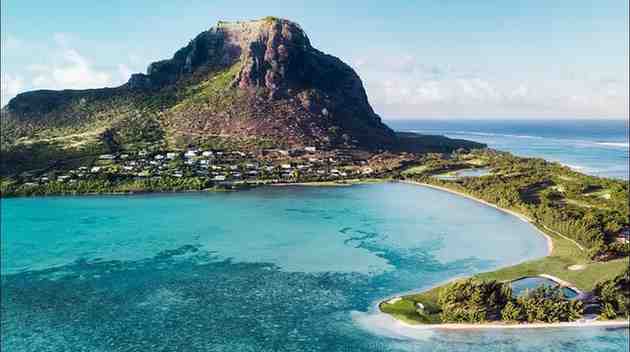
The undersea waterfall in Mauritius creates mind-bending optical illusions visible from helicopter tours – sand and silt flowing off Le Morne Peninsula genuinely appears like water plunging into ocean depths, and photographs fail to capture how convincing this effect looks in person. Volcanic origins carved dramatic landscapes throughout the island – extinct craters, sheer cliffs, bizarre rock formations, and forests protected in Black River Gorges National Park where trails ranging from easy walks to challenging climbs reward effort with panoramic vistas that hotel infinity pools cannot replicate regardless of design budgets.
Festival Timing That Adds Dimension
Diwali celebrations in Mauritius transform October or November nights as thousands of oil lamps illuminate homes, temples, and streets creating magical atmospheres tourists rarely witness in commercialized destinations. The Mauritius Mid-Autumn Festival 2025 showcases Chinese traditions through lantern displays and mooncake customs that educated visitors appreciate far beyond superficial tourism. The Reggae Donn Sa Festival celebrates local music heritage with live performances and dancing that demonstrate Mauritian culture rather than imported entertainment, and attending these events beats generic beach days significantly.
Tailoring Itineraries to Personal Priorities
Adventure travelers should emphasize diving, hiking, and wildlife encounters when discussing plans with operators, while culture-focused visitors benefit from temple visits, cooking workshops, and festival timing. Relaxation seekers prefer spa days, quiet beaches, and sunset cruises over packed activity schedules, and romantic couples appreciate private dinners, couples’ treatments, and secluded accommodations away from family resorts. Communicating honestly about priorities ensures operators build itineraries matching your vision instead of pushing standard routes that might bore you despite technically including popular attractions.
Working With Operators Who Know Nigerian Needs
Operators specializing in Nigerian clientele understand requirements others overlook – they quote comprehensive prices including all legitimate costs rather than advertising low rates then adding charges later, respond to questions promptly with actual answers instead of marketing copy, and partner directly with hotels and activity providers rather than booking through intermediaries that complicate problem resolution. Pre-departure information includes practical details about appropriate clothing, current weather patterns, cultural considerations, and realistic expectations that prepare you properly rather than generic destination descriptions that could apply anywhere.
Traveling Responsibly Benefits Everyone
Supporting locally owned restaurants and shops ensures tourism revenue stays within communities rather than flowing to international corporations headquartered elsewhere, and choosing these businesses often provides better quality and authenticity anyway. Respecting marine environments through reef-safe sunscreen, avoiding coral contact, and proper waste disposal protects ecosystems that future generations deserve experiencing. Participating in conservation activities, visiting rehabilitation centers treating injured wildlife, and selecting eco-certified operators demonstrates that profit and preservation can coexist successfully when travelers demand responsible practices.
Pre-Departure Preparation That Prevents Problems
Confirm passport validity and insurance coverage at least one month before departure rather than discovering issues when fixing them becomes impossible or extremely expensive. Create multiple copies of essential documents – passports, flight confirmations, hotel bookings, tour vouchers – storing them separately from originals so losing one set doesn’t ruin your trip. Pack lightweight clothes suitable for heat and humidity, several swimsuits since wet ones don’t dry overnight in humid conditions, reef-safe sunscreen that costs more locally, comfortable shoes handling walks longer than expected, modest clothing for temple visits, necessary medications with prescriptions, and power adapters for Type C and G outlets.
Extending Trips Beyond Single Destinations
Combining Mauritius with nearby locations creates richer experiences for travelers already investing time and money in long-haul flights. Reunion Island sits barely 200 kilometers away with dramatic volcanic landscapes and French cultural influences accessible via short flights that cost less than many assumed. Seychelles adds more pristine beaches and luxury options for extended island-hopping adventures, while Dubai or Doha layovers – depending on connection routing – transform necessary stops into bonus destinations worth exploring for 1-2 days. Discussing multi-country possibilities with operators often yields combined packages costing less than separate bookings while coordinating logistics across destinations smoothly.
Moving From Research to Actual Bookings
Stop browsing endless options and commit to creating actual memories – experienced operators eliminate planning headaches by handling flight coordination, accommodation selection, activity reservations, and ground transportation logistics that consume hours when tackled independently. Whether organizing romantic escapes, family adventures, adrenaline-fueled expeditions, or cultural deep-dives, Mauritius accommodates virtually every travel style when properly planned. Contact our team directly now to begin designing your customized island experience matching your schedule, interests, and realistic budget rather than fantasy projections.
Common Questions Nigerian Travelers Actually Ask
What does Mauritius really cost from Nigeria?
Week-long trips run $1,750-$4,600 per person realistically depending on accommodation level and activity choices. Budget travelers manage $1,750-$2,650 comfortably, while luxury experiences exceeding $4,600 provide premium everything.
Do Nigerians need advance visas?
No – you receive 60-day tourist stamps on arrival with valid passports, return tickets, accommodation proof, and sufficient funds. Processing takes minutes typically.
When should I go?
May-November offers best weather with 20-25°C temperatures and minimal rain. April-May and September-October combine excellent conditions with fewer crowds and better rates.
Are there direct flights?
No – connect through Dubai, Doha, Addis Ababa, or Istanbul with 12–18-hour total journeys. Book 3-4 months ahead for $800-$1,500 roundtrip typically.
Why pay for custom tours?
Custom tours accommodate halal dining, prayer schedules, and personal interests that fixed group tours completely ignore while providing flexibility standard packages never offer.
Can I find halal food easily?
Yes – significant Muslim population ensures halal restaurants island-wide. Tourist areas mark options clearly, and custom operators arrange halal-serving accommodations specifically.
What works for families with kids?
Casela Park offers safaris and zip-lines, La Vanille features tortoises and crocodiles, beaches provide safe swimming, and catamarans include snorkeling and dolphin watching kids love.
Is Mauritius safe?
Yes – it ranks among Africa’s safest destinations with low crime rates. Standard precautions about securing valuables and avoiding isolated night areas cover most situations.
What should I pack?
Bring lightweight tropical clothing, multiple swimsuits, reef-safe sunscreen, walking shoes, temple-appropriate modest attire, medications in original containers, toiletries, and Type C/G power adapters.
How do I get actual value?
Book 3-4 months ahead for flight savings, travel shoulder seasons for lower costs and smaller crowds, and compare custom packages that often beat component bookings. Contact specialists directly for expert matching of packages to your specific budget and preferences instead of generic offerings.