Why This Underwater View Stops People in Their Tracks
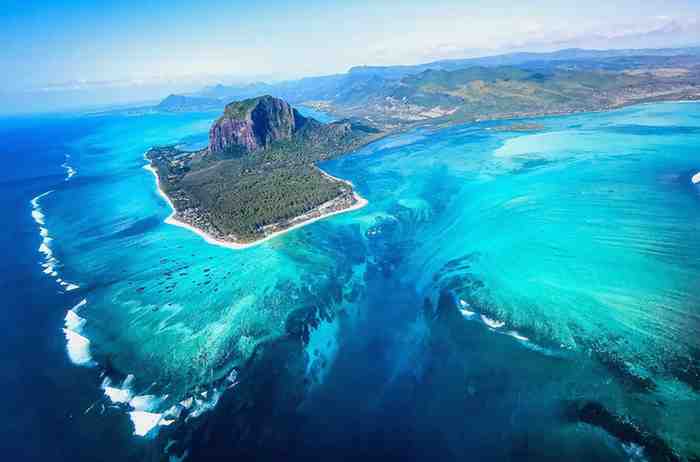
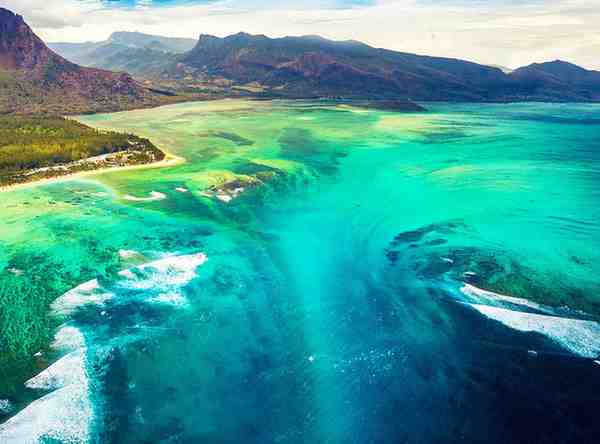
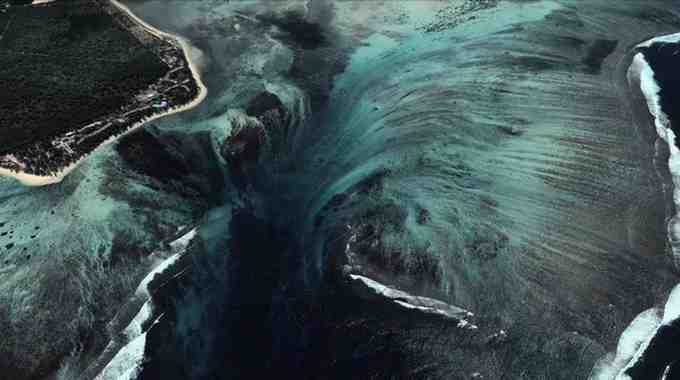
Sand keeps tumbling down massive slopes off Le Morne Peninsula, creating the stunning illusion known as the Undersea Waterfall in Mauritius. The water shifts from bright turquoise to deep navy where the ocean floor drops nearly 4,000 meters. Constant currents push sand over the edge, forming this breathtaking optical trick. Formed by ancient volcanic rock, the site now attracts travelers who book flights just to witness this natural wonder from above.
Why Helicopters Beat Every Other Option
You can’t understand how big this thing is until you’re hovering above it in a chopper. Most companies start tours at 7 AM because that’s when sunlight hits the water perfectly for your camera. Pilots make two loops around the spot, keeping altitude somewhere between 500-1,000 feet so everybody gets unblocked window views. These rides eat up about 15 minutes usually. Luxury tour outfits team up with aviation companies that maintain their equipment right. They ask your real weight before flying—lie about it and you’re messing with safety calculations for the whole aircraft.
Real Money You’re Gonna Spend
Joining other tourists on a shared helicopter costs 300-350 EUR per person based on 2025 rates. Renting the entire chopper just for your crew runs 1,800-2,500 EUR depending on how long you want to stay airborne. Some places throw in boat rides with the flight for 400-550 EUR each, which kills half a day but shows you different angles. Traveling during May or September sometimes cuts prices by 10-15% compared to peak times. Fullit cards work fine, though full charter bookings might want bank transfers instead. Booking after you land means risking sold-out slots during busy weeks.
Getting Underwater Near the Drop-Off
The undersea waterfall in Mauritius goes way too deep for regular scuba gear, but you can dive the edges around 20-35 meters down. That’s where you’ll watch sediment sliding over the rim, plus tons of fish hanging around the shelf area. Beginners can’t handle this dive—currents move fast and the depth alone needs Advanced certification minimum. Dive shops spend time before each trip explaining emergency signals, safety stops, and which sea creature’s bite. Each dive lasts maybe 45-60 minutes with breaks between if you’re going down multiple times. Visibility peaks October through April when rain isn’t muddying up the coastline.
Actual Coordinates and How to Get There
The location is at 20.4833°S and 57.3167°E just about 2 kilometers offshore from Le Morne’s southwestern point. Mascarene Plateau establishes this shelf setup where superficial water abruptly becomes deep in the ocean. Looking from a boat just shows color differences without that falling-water effect, which only happens from way up high. Multiple beaches work as launch spots along the west side. Companies running full day trips grab people from northern and eastern hotels, but you’re sitting in a van for 60-90 minutes depending on where you start and whether traffic’s backed up.
| Tour Type | Duration | Price Range (EUR) | Best Season |
| Helicopter Solo | 15 min | 300-350 | Year-round |
| Private Charter | 30 min | 1,800-2,500 | May-November |
| Lagoon Combo | 3-4 hours | 400-550 | October-April |
| Dive Expedition | 4-5 hours | 120-180 | October-April |
Safety Stuff That’s Not Negotiable
Choppers remain grounded once wind speeds touch 25 knots—riding through that kind of chaos is vague. Heavy rain also cancels flights since pilots need to see landmarks undoubtedly. Every bird gets weighed before spinning up rotors to confirm it’s within safe operating limits. Diving makes you fill out health forms proving your cardiovascular system can handle it. Insurance coverage isn’t an optional add-on for either flying or diving. Adventure activity operators double-check that partner companies hold valid certifications and keep inspection logs updated. Any outfit dodging questions about their credentials should raise red flags.
What’s Actually Happening Down There
Ocean currents just keep dragging fine sand particles down that slope nonstop. The Coriolis effect makes water spin in certain directions around the island, pushing more flow toward this exact spot. Shallow areas bounce sunlight back differently than deep water does, creating that hard line between colors. The shelf dropping off so suddenly gives you that waterfall appearance when you’re looking from altitude. This process has been running for ages—Mauritius formed from volcanic activity that built the underwater geography, then currents took over and haven’t quit since. Intensity changes with seasons but never completely stops.
Taking Pictures That Don’t Suck
Polarizing filters remove most of that annoying glare reflecting off the water surface. Flying drones around Mauritius requires permits and you can’t go near towns or airport zones. Shooting during early morning or late afternoon contributes way superior light contrast than midday sun. Eco-tour guides retain retelling tourists not to leave trash or mess with animals while filming. YouTube has thousands of videos indicating the waterfall under every weather condition comprehendible watching a few before your trip helps set convincing prospects.
Reserving a Private Helicopter
Main helipads operate from Port Louis, Flic en Flac, and Belle Mare areas. Lock in your booking 48-72 hours ahead minimum, especially mid-year or around holidays when demand spikes hard. Final passenger info needs submission 24 hours before takeoff for aviation paperwork requirements. Paying the helicopter company directly works, or bundling through your hotel’s front desk is another route. Sunset flights sound romantic, but afternoon winds make the ride bumpier compared to calm mornings. Private charters let you change the route and timing however you want versus sticking to a fixed tour schedule.
Mixing Different Activities Same Day
Packages combining helicopters with catamaran sailing, snorkeling breaks, and beach lunches make sense when vacation times are limited. Island activity planners arrange multi-day schedules covering the undersea waterfall in Mauritius plus other major sights inland. Full-day packages include van transportation, meal provisions, and guides who know the territory. Bundling stuff together squeezes more experiences into fewer days than booking everything separately. Some packages toss in village visits or rum tasting after finishing the aerial portion.
How This Spot Got Internet Famous
Satellite imagery from early 2000s revealed this formation clearly for the first time ever. Local fishermen always noticed weird watercolors there, but nobody bothered documenting it from high altitude before tourist helicopters became normal. Geographic magazines featured it and suddenly everybody wanted to check it out personally. Social media exploded it even bigger—probably ranks in the top three most-photographed natural features across the whole island now.
Timing Your Visit Around Weather Patterns
May through November delivers steadier trade winds and clearer skies most days. December to March lead to summer storms and random cyclones that shut down all flights for multiple days straight. Water clarity betters during autumn months when reduced rainfall means less garbage washing off the land into the ocean. Professional guides monitor weather predictions continuously and would not hesitate to suggest you push your booking back if situation looks uncertain. Southwestern coast catches incoming weather systems harder than other island sections.
Sea Life Hanging Around the Area
Coral formations on the shelf attract tropical fish species, sea turtles, and reef sharks in solid numbers. Snorkeling operations take groups to superficial zones where brightness extends 20-30 meters when the ocean’s calmness. Deeper portions bring dolphins, pilot whales, and migrating humpbacks during specified months. Marine protection zones continue commercial fishing away from breeding and feeding grounds. Healthy ecosystems maintain sediment patterns that make the waterfall appearance work right.
Getting From Your Hotel to Launch Points
Roads connect every major resort zone to helicopter departure facilities. Driving from Grand Baie, Flic en Flac, Bel Ombre, or east coast properties take 30-90 minutes based on distance and traffic flow. Some chopper companies pick up groups of four or more straight from hotels for extra 50-100 EUR charges. Romance travel specialists build this transportation into honeymoon packages handling all movement logistics. Renting your own vehicle works perfectly fine too—parking spaces exist at pretty much every helipad location.
Conservation Rules Protecting the Zone
Flight routes follow designated paths avoiding seabird nesting colonies and marine mammal gathering spots. Helicopter noise levels comply with environmental standards aviation authorities set. Dive outfits prohibit touching corals or chasing wildlife during any underwater excursion. Pre-trip briefings explain ecosystem sensitivity and what behaviors visitors need to avoid. Money from tourism pays for marine research and conservation projects local environmental groups run.
Checking Out Different Tour Operators
Established companies fly newer aircraft with documented safety records beating budget operations. Customer reviews show massive differences in pilot expertise, schedule flexibility, and photography cooperation. Premium operators assign window seats based on passenger height and camera equipment being carried. Bargain companies sometimes use older helicopters with tiny windows limiting viewing angles badly. Verifying operator licenses through aviation authority websites before paying anything just makes sense.
Viewing Methods Without Getting Airborne
Catamarans cruise near the formation showing color transitions from water level perspective. Glass-bottom boats display underwater shelf structure where sand accumulation starts happening. Kayak tour companies paddle coastal routes with distant views toward the offshore phenomenon. These options suit folks preferring sea level or feeling uncomfortable about flying. Combined packages mixing boat rides with additional activities spread experiences across entire days.
Camera Gear That Actually Delivers
Image stabilization features counteract helicopter vibration that blurs shots otherwise. Wide lenses grab more of the formation and surrounding oceans per frame. Shutter speeds exceeding 1/1000 second freeze motion from aircraft movement completely. Smartphone cameras produce acceptable snapshots, but real cameras with zoom lenses extract way more detail. Waterproof cases guard equipment during boat segments when ocean spray comes flying over railings.
Start Setting Up Your Visit
Witnessing the undersea waterfall in Mauritius involves coordinating flights, accommodations, and activity timing into something functional. Professional planners tackle logistics while recommending timing based on forecast patterns and seasonal factors. Our crew builds personalized itineraries matching your dates, spending limits, and activity preferences. Message our booking specialists discussing helicopter possibilities, diving options, and additional tours showcasing this natural feature throughout your 2025 or 2026 visit.
Frequently Asked Questions
Is the Mauritius underwater waterfall real?
Yeah, it’s a legitimate optical illusion caused by sand and silt sliding down underwater slopes—no actual vertical water drops but the visual trick is genuine.
Can you swim in an underwater waterfall in Mauritius?
Swimming right at the formation can’t happen since it’s offshore and ridiculously deep, though nearby lagoons offer protected swimming in clear shallow water.
Is the underwater waterfall in Mauritius worth it?
Travelers consistently rate this as a major trip highlight; with aerial perspectives you can’t replicate anywhere else across the Indian Ocean.
What is the most famous waterfall in Mauritius?
The undersea waterfall in Mauritius dominates social media coverage and visitor traffic, though inland waterfalls like Chamarel and Tamarind pull decent crowds too.
How much does a helicopter tour cost?
Shared flights cost 300-350 EUR per seat for 15-minute rides, while full private charters run 1,800-2,500 EUR based on group size and flight duration.
When is the best time to see the underwater waterfall?
May through November brings most reliable weather with clearer skies and calmer wind conditions, though the formation stays visible other months when weather cooperates.
Do I need special diving certification?
Advanced Open Water certification is mandatory for diving near the shelf since depths hit 20-35 meters and currents surpass beginner capability levels.
Can I see the waterfall without flying?
Boat tours display partial views from sea level showing color shifts, but the complete cascading illusion only appears from aerial heights exceeding 500 feet.
Building Your Complete Mauritius Experience
Catching the undersea waterfall in Mauritius goes way beyond booking one quick helicopter ride. Thorough planning covers where you’re sleeping, how activities sequence logically, and backup plans when weather wrecks original schedules. Our knowledge handles transportation coordination, timing tactics, and activity combinations maximizing limited vacation time. Contact our planning team starting a customized itinerary featuring this stunning natural phenomenon plus other essential Mauritius attractions worth experiencing.