When Chinese Grandparents Kept Traditions Alive
Back in the 1840s, something major happened. British plantation owners desperately searched for workers after slavery got abolished. They sent recruiters all the way to China’s Guangdong and Fujian provinces. Poor farmers there signed contracts hoping for better lives. Those ship journeys. Absolutely brutal – taking three, sometimes four months across rough seas. Around 25,000 Chinese workers eventually landed in Mauritius between 1840 and 1900. Despite backbreaking sugarcane work and terrible living conditions, these folks refused to let go of their heritage. Every full moon, they’d secretly gather, sharing whatever food they managed to save, telling old stories from back home. Their kids grew up hearing these tales while working alongside them. Eventually, those children saved enough money to leave plantations behind. They opened small shops in Port Louis and Rose Hill. That’s how the Mauritius Mid-Autumn Festival 2025 survived – one generation passed it down to the next. Today’s celebrations still carry that same spirit, just with way better food and proper lanterns instead of makeshift ones.
Your October 2025 Festival Calendar
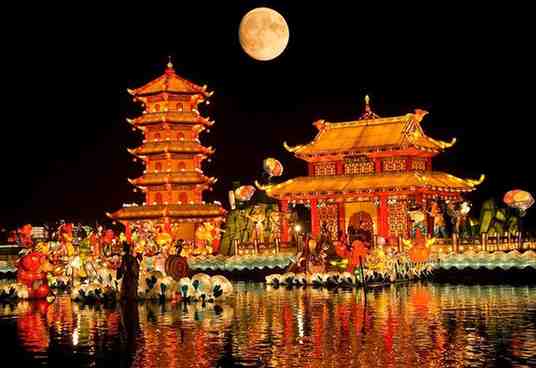
So, here’s the deal – October 6, 2025, is your main event night. That’s when the eighth lunar month hits its full moon phase. But honestly, things start happening way earlier. Last weekend of September, you’ll notice temporary stalls popping up around Port Louis. Vendors hammer together wooden structures, unpack boxes of decorations. It’s entertaining watching the whole setup process. Mooncake bakeries? They go crazy starting mid-September. Factory workers pull double, sometimes triple shifts. Why? Because companies order thousands of these pastries as corporate gifts. Between October 1-4, you’ll see temple volunteers cleaning, hanging red lanterns, preparing prayer spaces. The real madness hits October 5 through 7 though. Families coordinate schedules weeks in advance – grandparents, parents, kids, cousins all trying to find one evening everyone can make it. Big hotels listed among luxury hotels in Mauritius cash in too. They create elaborate buffet spreads mixing traditional Chinese dumplings with Mauritian fish curry. Pretty smart marketing.
Why Everyone Goes Crazy for Mooncakes
Okay, let’s talk about these round pastries everyone obsesses over. They’re not just food – they represent family unity and completeness. Breaking one open and sharing pieces? That’s symbolic of staying connected. Traditional mooncakes pack dense lotus seed paste, sometimes with a salted egg yolk buried in the center. Red bean versions exist too, along with mixed nut varieties. But modern bakeries? They’ve gone wild experimenting. Chocolate ganache mooncakes, matcha cream, durian filling (which smells terrible but tastes amazing if you’re brave), passion fruit, even rum-infused versions. Companies spend serious money on these. Walk into any office in September, you’ll see fancy mooncake boxes stacked everywhere. Employees take them home, give them to relatives. It’s this whole gift-giving economy. Pomelos also play a huge role. These massive citrus fruits sit on family altars during prayers. Afterward, everyone sits around peeling and eating them together. Shopping spots like Bagatelle Mall of Mauritius dedicate entire floor sections to mooncake vendors. You’ll find at least 15-20 different brands competing for customers between August and October.
What Actually Happens Inside Temples
Buddhist and Taoist temples completely transform on October 5-6. Doors stay open until past midnight handling the crowds. Walk in and you’ll immediately notice the fruit towers – apples, oranges, pineapples stacked in perfect pyramids. Incense smoke fills the air, making everything hazy and atmospheric. Devotees arrange elaborate flower displays; lighting dozens of incenses sticks simultaneously. Senior monks, wearing bright orange robes, lead prayer chants. Everyone else stays completely silent, bowing repeatedly at specific intervals. Then suddenly, drums start pounding. Lion dancers burst in, executing these acrobatic moves through the courtyards. They visit different shrine areas following routes that haven’t changed in centuries. After ceremonies wrap up, volunteer teams serve massive vegetarian feasts. Nobody pays anything. Hindu neighbors show up, Muslim friends come by Christian tourists observe – everyone’s welcome. Places like Kaylasson Temple Mauritius particularly encourage international visitors. Monks enjoy explaining traditions to curious foreigners.
Festival Celebration Timeline
| Date Range | Activities | Key Locations |
| September 29 – October 5 | Mooncake sales peak, lantern displays erected | Port Louis markets, shopping centers |
| October 3-5 | Temple preparation ceremonies begin | Buddhist temples island-wide |
| October 6 | Main festival celebration | Chinatown, temples, coastal viewing areas |
| October 7-10 | Extended family gatherings continue | Residential areas, restaurants |
| October 11-12 | Market clearance sales, final celebrations | Market districts |
Where All the Action Happens
Port Louis Chinatown becomes the festival’s beating heart. Corderie Street and Royal Street? Completely covered in red and gold lanterns by late September. Thousands of them, creating this glowing canopy overhead. Rose Hill runs multiple temple events simultaneously – Buddhist and Taoist communities almost competing to see who throws better ceremonies. Quatre Bornes takes a different approach, organizing massive community gatherings in public parks. Food vendors line up; cultural performance stages get erected. Kids run around with handheld lanterns while parents catch up with old friends. Curepipe offers something unique though. Sitting higher up, the air stays clearer there. Perfect for moon watching without that coastal humidity messing up your view. Northern beach properties, especially those luxury family hotels in Balaclava, create exclusive beach viewing experiences. Telescopes set up on sand, champagne service, the works. It’s not traditional, but tourists love it.
How Other Countries Do This Festival
China basically shuts down for three straight days. It’s an official national holiday. Trains, planes, buses – all packed with people traveling home. Vietnam makes it super kid focused. Lantern parades wind through city streets, puppet shows in parks, traditional folk games everywhere. Singapore invests millions transforming Chinatown into an Instagram paradise. Those decorations? Absolutely massive, designed specifically for photo opportunities. Malaysia sees huge celebrations, particularly in Penang where Chinese populations hit 40-50%. Selangor and Malacca go out too. Indonesia? Much quieter. Chinese Indonesian communities in Jakarta and Surabaya observe it, but decades of discrimination made people cautious about public celebrations. Mauritius does something special though – it mixes everything together. You’ll hear sega music (traditional Creole rhythm) playing near Chinese temples. Vendors sell mooncakes alongside dholl puri (Indian flatbread). African, Asian, European influences all blending. That multicultural fusion makes Mauritius celebrations genuinely unique.
Shopping the Festival Markets
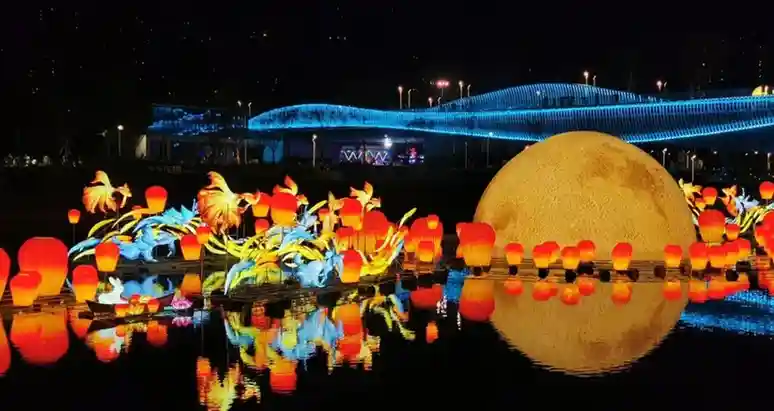
Port Louis central market explodes with temporary stalls every September. Narrow walkways get even tighter as vendors cram in selling everything imaginable. Basic paper lanterns? Those start around 50 rupees. Pretty affordable. But elaborate LED versions with remote controls and color-changing modes? Those hit 1500 rupees easily. Religious supply shops stock special incense blends – specific varieties for moon worship, different ones for ancestor veneration. Pomelos create their own drama. Prices swing wildly depending on which container ships arrived that week. Chinese pomelos cost way more than Thai imports – sometimes double the price. Why? Chinese ones supposedly taste better, though honestly, most people can’t tell the difference. Mooncakes range from basic 80-rupee local bakery versions to fancy 700-rupee imported Hong Kong brands in lacquered wooden boxes. Some tourists hit the markets after morning scuba diving in Mauritius sessions. Smart move actually – you avoid the worst afternoon crowds that way.
The Moon Goddess Story Everyone Knows
Chang’e’s tale gets told constantly during festival season. Here’s the quick version – she was this beautiful woman married to an archer named Houyi. He received an immortality potion as a reward for shooting down nine suns (long story). Chang’e accidentally drank the whole thing. She started floating upward, couldn’t stop, eventually landed on the moon. Now she’s stuck there forever, separated from her husband. Tragic, right? But there’s more. A jade rabbit somehow ended up there with her. This rabbit spends eternity grinding medicinal herbs with a mortar and pestle. Nobody really knows why that part never gets explained clearly. Primary schools teach this story every September-October. Kids draw pictures, write essays, and perform little plays. Chang’e’s image appears everywhere – lanterns, mooncake boxes, festival posters, shopping mall banners. The story explains why everyone stares at the moon during festivals. They’re essentially remembering Chang’e’s loneliness, appreciating their own families being together.
Getting Those Perfect Photos
Best photography window? Between 6:00-8:00 PM, no question. Lanterns just got lit, sky’s still showing some color, creating this magical transition period. Temple courtyards offer incredible atmospheric shots. Incense smoke swirling through candlelight, worshippers bowing in synchronized movements. Markets work great for candid photography. Vendors haggling with customers, colorful product displays, crowds navigating tight spaces. Just be respectful – always ask before photographing people directly. Coastal moonrise requires strategy though. You need to arrive 30-45 minutes before published moonrise time is published. Why? Best spots fill instantly. Everyone wants that perfect shot of the moon emerging from the ocean horizon. Mooncake photography trends towards close-ups. Cut one open, expose those intricate filling layers, maybe position it against red fabric for contrast. Social media loves that stuff. Some eco-guided tour in Mauritius operators now build festival photography into October itineraries. They know the best spots, handle permissions, help with camera settings.
Mixing Festival with Beach Time
Here’s the beautiful part – you don’t have to choose. Mornings between 7:00-11:30 AM? Hit the botanical gardens, lounge on beaches, chase waterfalls. Mauritius stays gorgeous regardless of festivals. Afternoon from noon until 5:00 PM? Perfect for air-conditioned museums, shopping mall exploration, long restaurant lunches. Festival activities genuinely don’t start until 5:30-6:00 PM. That’s when families begin gathering at temples, heading to viewing spots. So, your typical tourist day stays completely intact. Hotels make coordination easy too. They run shuttle buses to festival zones while keeping pools, spas, and restaurants fully operational. You can literally spend the day snorkeling, shower, change clothes, catch a shuttle to Chinatown for the evening. Next morning? Back to normal vacation mode. Festival participation adds to this rich cultural layer without messing up beach vacation plans. Smart travelers prefer visiting Mauritius during festival periods now. You get regular tourism plus authentic cultural immersion.
Other Big Celebrations Here
Mauritius never runs short of festivals honestly. Diwali celebration in Mauritius hits late October or early November. That’s when Hindu communities light thousands of small oil lamps, conduct elaborate prayer ceremonies, set off fireworks. It’s actually a national public holiday – everything shuts down. Indentured Labourers Day Mauritius comes November 2. More solemn commemoration than celebration, honoring the Indian and Chinese contract workers who built modern Mauritius. Chinese New Year arrives January-February bringing completely different vibes. Red envelopes stuffed with money, dragon dances weaving through streets, firecracker explosions everywhere. Ganesh Chaturthi during late summer involves Hindu devotees carrying massive clay elephant statues through towns, eventually immersing them in the ocean. Each festival shows different community traditions. The autumn moon festival specifically focuses on harvest gratitude and lunar worship. That agricultural connection sets it apart from religious holidays or historical commemorations.
Finding Places to Stay
Port Louis hotels fill up fast – we’re talking 75-90% occupancy late September through early October. Book early or you’ll struggle finding decent rooms. Coastal resorts in Flic-en-Flac, Tamarin, Grand Baie maintain better availability though. They’re positioned away from the festival epicenter but run regular shuttle services. Works out nicely – peaceful beach resort during the day, quick shuttle ride to celebrations at night. Budget travelers should check Curepipe and Rose Hill guesthouses. Much cheaper, plus you’re literally walking distance from temple activities. Booking websites show serious price jumps for October 5-7. We’re talking about 20-35% increases compared to September rates. Why? Simple supply and demand. Package deals occasionally surface – festival dinner included, guided temple visit, cultural presentation tickets, all bundled together. Those represent decent value if you find them. Pro tip: book before August ends. September bookings cost noticeably more. Contact us if you need help coordinating accommodation timing. We know which properties offer festival packages, which locations provide best temple access.
Rules You Should Know
Temple etiquette matters here. Shoes come off at entrances – non-negotiable. Storage racks are usually provided or just carry them in a bag. Clothing standards expect covered shoulders and knees. Tank tops and shorts? Not appropriate. Loose, modest garments work best. Interior photography needs permission. Don’t just start snapping photos inside sacred spaces. Find a monk or staff member, ask politely. Usually they say yes, sometimes they point out restricted areas. Flash photography during active prayers. Absolutely not. Disrupts the whole spiritual atmosphere, disrespectful to worshippers. Traditional candle lanterns require careful handling too. Open flames in packed crowds create obvious dangers. Keep kids supervised closely. Conversation volumes should stay low throughout temple grounds. People come there for meditation and prayer – loud talking ruins that contemplative environment. These aren’t arbitrary rules. They reflect genuine respect for sacred spaces and religious practitioners.
Best Moon Watching Spots
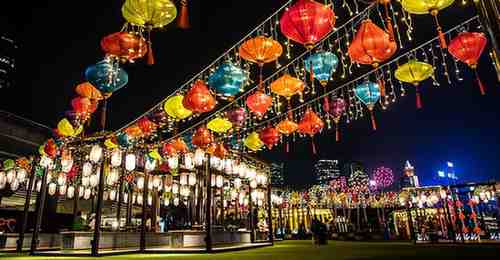
Tamarin and Le Morne coastlines deliver spectacular moonrise views. Around 6:20 PM, that glowing orb emerges straight from the ocean horizon. Zero obstructions, just pure natural beauty. Curepipe works brilliantly too, sitting at 550 meters elevation. Air stays noticeably clearer than coastal zones affected by ocean moisture. Rose Hill parks offer practical advantages – expansive lawn areas perfect for spreading blankets, family groups gathering comfortably. Commercial rooftop venues in Port Louis and Grand Baie provide totally different experiences. You pay for entry, but they serve craft cocktails, offer comfortable seating, sometimes live music. More party atmosphere than spiritual observation. Amateur astronomy clubs occasionally set up at public locations. They bring proper telescopes, let anyone look through them for free. You can see lunar surface details – craters, mountains, dark maria regions. Popular beaches reach parking capacity super quickly though. Seriously, arrive early or you’ll circle forever searching for spaces.
What to Say
“Happy Mid-Autumn Festival” works perfectly in English. Everyone understands that regardless of age or background. Mandarin speakers appreciate “Zhong Qiu Jie Kuai Le” (中秋节快乐) though pronunciation doesn’t need to be perfect. Hakka speakers have their own version – “Chung Chiu Jit Fai Lok.” Same meaning, different dialect. Younger Mauritians often just say “Happy Mooncake Festival” casually. Nobody finds that offensive, it’s common. When language barriers exist, smiles and friendly waves communicate goodwill effectively. Don’t stress perfect pronunciation or knowing multiple phrases. Making the effort matters more than flawless execution. Basic phrase knowledge demonstrates cultural respect, helps facilitate warmer interactions with locals. They genuinely appreciate foreigners taking interest in their traditions.
How Long Everything Lasts
Main celebration focuses intensely on October 6 evening. Roughly 5:30 PM until midnight, maybe 1:00 AM in some areas. But markets operate way longer – September 27 through October 13 typically. Vendors gradually pack up as days progress, fewer stalls each day. Temple ceremonies run October 3-7 with absolute peak activity October 5-6. Those nights see temples packed shoulder-to-shoulder. Family gatherings sometimes extend through October 10-11 weekend. Depending on work schedules, how far relatives live from each other. Mooncake consumption genuinely continues weeks beyond the festival. Families bought these big boxes; nobody finishes them in one evening. The complete cultural season spans roughly three weeks – initial market setup, peak celebration days, gradual wind-down period. Contact us for granular details about specific events, exact ceremony timing at particular temples.
Planning Future Years
Want to come for 2026 or 2027? Lunar calendar calculations already pinpoint those dates. September 25, 2026, marks the next festival. Following year falls on October 15, 2027. Notice how it jumps around? That’s because lunar months operate independently from standard solar calendars. Annual shifts confuse people sometimes. Tourism operators typically confirm exact dates by June each year. Gives you solid six-month planning window. Book hotels and flights soon after those confirmations drop. Early reservations consistently score better rates, wider selection. Projections beyond 2028 get trickier. You’d need specialized lunar calendar consultation. Most travel planners don’t bother projecting that far out anyway. Too many variables, dates shift slightly based on precise astronomical calculations.
Frequently Asked Questions About Mauritius Mid-Autumn Festival
What is the biggest festival in Mauritius?
Diwali takes that crown – it’s an official national holiday, everything shuts down. The Mid-Autumn Festival runs a close second though, especially for visual spectacles. Chinese communities go all out with decorations and celebrations.
When exactly is the Mid-Autumn Festival?
Falls on the 15th day of the eighth lunar month. For 2025, that translates to October 6. Date changes every year though, typically landing somewhere between mid-September and early October depending on lunar cycles.
What is the festival in Mauritius in October?
October usually features both Mid-Autumn Festival and early Diwali preparations. Timing depends on lunar calendar for Chinese celebrations, Hindu calendar for Diwali. Sometimes they overlap, sometimes separated by weeks.
Do they celebrate Diwali in Mauritius?
Absolutely – it’s massive here. National public holiday status, and the entire island participates regardless of religion. Hindu communities lead ceremonies, but everyone joins celebrations. Same inclusive spirit as Mid-Autumn Festival actually.
What traditional foods define the Mauritius Mid-Autumn Festival?
Mooncakes dominate obviously. Beyond those, pomelos, lotus root soup, taro preparations, water chestnuts. Mauritian versions add local twists though – tropical fruits, fresh seafood curries alongside traditional Chinese recipes. Cultural fusion at its finest.
Which country celebrates Mid-Autumn Festival most grandly?
China wins on pure scale – three-day national shutdown, billions traveling home. Vietnam, Singapore, Malaysia all throw spectacular celebrations too. Mauritius offers something different though – that unique multicultural blend you won’t find anywhere else.
Is today Mid-Autumn Festival?
Depends on when you’re reading this. For 2025, October 6 is the big day. Check lunar calendars for other years. Activities typically begin several days before the actual festival date though.
How long does the Mid-Autumn Festival last in Mauritius?
Main celebration happens one evening. But surrounding activities – markets, temple preparations, family gatherings – stretch approximately ten days. Complete cultural season runs about three weeks total from setup to teardown.