
Whole Island Celebrates Together
The Diwali celebration in Mauritius happens differently than other places. When October or November arrives, houses across the island light up. Hindu families lead festivities, but Muslim neighbors pitch in with decorations. Christian friends show up at temple events. Creole communities join the celebrations too. Religion doesn’t create walls here—it builds bridges instead.
Indian Workers Brought Their Gods
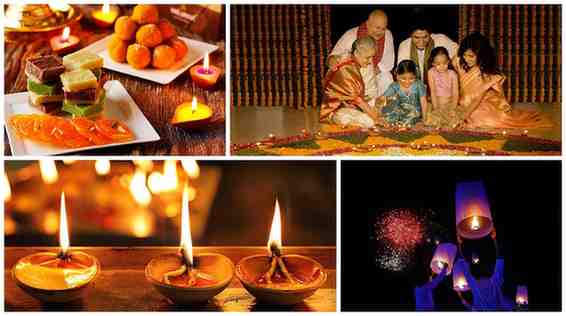
1830s changed everything for Mauritius. British needed plantation workers after ending slavery. Ships arrived carrying Indians from various regions. These laborers faced brutal conditions on sugar estates but refused to abandon their identity. Small temples appeared in villages. Prayers continued in makeshift spaces. Parents taught children Hindi prayers and traditional songs. Today these families form nearly half the island’s population. Read about this journey in our indentured labourers day guide.
Circle These Festival Dates
Diwali in Mauritius 2025 falls on October 20th. The next year brings Diwali Mauritius 2026 on November 8th. Hindu calendar follows lunar cycles—new moon in Kartik month determines the exact date. Government designates Diwali Mauritius public holiday status each year. Schools close their doors. Offices remain empty. Banks don’t operate. Families gather at home spending the entire day together.
Hindu Demographics Stay Consistent
Census data shows 48-49% of Mauritians practice Hinduism. This percentage hasn’t fluctuated much over recent decades. Historical records document over 450,000 Indian arrivals between 1834 and 1920. Temples occupy prominent positions in every district. Rural villages maintain their own shrines. Coastal settlements feature seaside temples. The public holidays Mauritius 2025 schedule recognizes multiple Hindu observances officially.
Clay Lamps Transform Streets
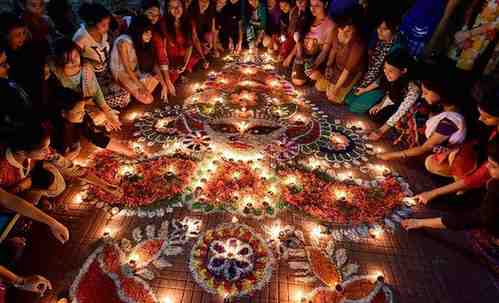
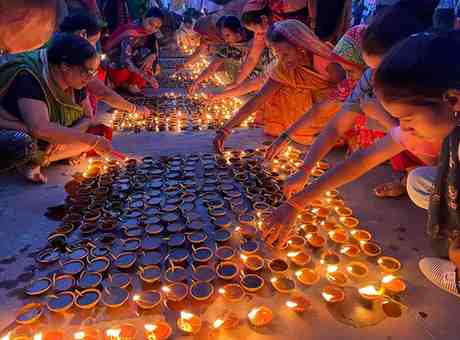
Small earthen lamps called diyas appear by the hundreds. Some families place thousands around their property. Walls get lined with flickering flames. Rooftops display rows of lights. Gates and fences receive decoration too. Traditional clay lamps produce a warm orange glow that electric bulbs can’t replicate, though LED strings certainly make appearances. Women spend hours creating rangoli patterns using rice grains, crushed flowers, and naturally colored powders at home entrances.
Temple Rituals Intensify
Pre-dawn hours see families beginning their day. Ritual baths come first. Clean traditional clothing follows. Lakshmi Puja ceremonies commence at homes and temples. Priests recite lengthy Sanskrit verses. Devotees arrange seasonal fruits, fragrant flowers, and homemade sweets. Grand Bassin attracts thousands for the ganga snan 2025 Mauritius bathing ritual. Believers consider this crater lake sacred, comparing it to India’s Ganges River for spiritual cleansing power.
Traditional Sweets Dominate
Every household becomes a mini factory producing traditional treats. Ladoos require precise measurements. Barfi needs constant stirring. Gulab jamun demands perfect frying temperature. Jalebi circles must achieve crispy exteriors. These recipes pass from grandmother to mother to daughter across generations. Savory preparations balance the sweetness—crispy samosas, spicy murukku, fried gateaux piments. Neighbors exchange plates creating informal food competitions. Evening meals feature elaborate vegetarian spreads respecting religious dietary guidelines. Cardamom, saffron, and rose water fragrances permeate entire neighborhoods for several days.
Port Louis Leads in Spectacle
The capital’s Indian Quarter transforms into something magical. Shop fronts compete with elaborate lighting schemes. Triolet’s Maheswarnath Temple becomes a pilgrimage destination during festivities. Grand Bassin offers unique appeal—sacred mountain lake surrounded by illuminated temple structures. Rose Hill organizes cultural programs featuring traditional performances. Quatre Bornes sets up food stalls selling festival specialties. Our eco-guided tour packages include stops at these prime locations.
Notable Temples Deserve Visits
Kaylasson Temple showcases remarkable architectural details and vibrant color schemes. Sagar Shiv Mandir sits perched near Grand Bassin offering panoramic mountain vistas. Maheswarnath in Triolet impresses through sheer scale and ornate decorative elements. Early morning arrivals guarantee peaceful contemplation before crowds gather. Evening visits provide full ceremonial experiences with chanting, music, and community participation. Footwear removal before entering remains mandatory. Modest dress codes apply strictly. Accepting prasad when offered shows cultural respect.
Everything Grinds to Halt
The Diwali Mauritius public holiday carries real weight. Government ministries lock their doors completely. Educational institutions declare holidays for students and staff. Retail establishments are mostly close except for tourist-oriented businesses. The public holidays Mauritius 2025 calendar acknowledges Hindu festivals seriously given demographic composition. Public transportation operates skeletal schedules. Planning administrative errands during Diwali guarantees frustration. Same situation repeats with public holidays 2026 Mauritius.
Communities Blur Religious Lines
Muslim families help Hindu neighbors install decorative lighting. Christian colleagues attend temple ceremonies showing genuine curiosity. Educational curricula teach all students about Diwali significance regardless of family background. Community recreational centers offer workshops where anyone learns classical dance forms and craft techniques. Mauritius constructed this interfaith harmony deliberately over multiple generations through conscious effort and mutual respect.
Old Traditions Adapt Gradually
LED technology supplements traditional diyas now instead of replacing them entirely. Social media platforms overflow with rangoli design photographs and decoration videos. Commercial shopping complexes organize Diwali festivals featuring Bollywood dance troupes and ethnic food vendors. Yet fundamental practices persist unchanged—family prayer sessions continue, elderly relatives receive visits, charitable donations flow to disadvantaged neighbors. Younger generations modify presentation while preserving essential cultural elements their grandparents valued.
Cultural Performances Fill Venues
Bharatanatyam practitioners demonstrate intricate footwork patterns and precise hand gestures. Kathak specialists execute rapid spinning sequences until costumes become colorful blurs. Vocalists present devotional bhajans before transitioning to contemporary Bollywood numbers. Amateur theater companies stage Ramayana dramatizations making ancient epics accessible to modern youth. These presentations occupy community halls, temple courtyards, and open-air venues. Admission fees rarely apply.
Pre-Festival Shopping Peaks
Port Louis Central Market experiences overwhelming crowds during pre-Diwali weeks. Vendor stalls overflow with brass oil lamps and rangoli creation tools. Prayer accessory shops stock incense varieties and ritual items. Flower sellers arrange fresh marigold garlands. Textile merchants display embroidered silk saris and designer kurtas. Sweet manufacturers struggle meeting intense demand. Artisan craftspeople offer hand-painted diyas and miniature temple replicas. Haggling remains expected protocol—initial offers starting around 60% of asking prices work well.
Festival Calendar Stays Full
Christmas in Mauritius arrives approximately two months later featuring distinct decorative traditions. Maha Shivaratri draws February pilgrims undertaking challenging hikes to Grand Bassin. Holi celebrations drench participants in vibrant colored powders during spring months. Ganesh Chaturthi processions honor the elephant-headed deity with elaborate floats. Muslim communities observe Eid festivities. Chinese populations celebrate Lunar New Year. Each group extends invitations to outsiders joining their special occasions. Our public holidays 2025 mauritius guide provides comprehensive festival listings.
Photography Opportunities Abound
Post-sunset timing provides optimal lighting conditions as diyas begin glowing. Temple architecture receives strategic illumination revealing decorative details invisible during daylight. Rangoli designs photographs effectively from elevated vantage balconies or portable step stools help. Families wearing traditional finery typically consent to portrait requests when approached politely. Night photography demands tripod stability and manual exposure settings. Flash attachments destroy ambient lighting and avoid them completely.
Children Learn Through Participation
Young ones assist in creating rangoli patterns while absorbing symbolic meanings. Home decoration projects teach safe lamp placement practices. Temple attendance introduces religious concepts through festive environments rather than dry lectures. Collaborative sweet-making sessions transmit family recipes to next generations. Community gatherings feature age-appropriate games and competitive activities. These experiences construct cultural identity foundations and generate lasting childhood memories. Explore our best family tours for child-friendly cultural programming.
Safety Requires Attention
Open flame proximity combined with children necessitates constant adult supervision. Traffic congestion near popular celebration zones demands extra travel time allowances. Temple dress requirements aren’t flexible—shoulder and knee coverage mandatory. Crowded marketplace environments attract opportunistic pickpockets targeting inattentive tourists. Food stalls experiencing high customer turnover generally offer fresher ingredients. Tropical climate dehydration affects visitors even during evening hours—regular water consumption is essential.
Romantic Atmosphere Develops
Couples stroll illuminated residential streets together after darkness falls. Coastal areas host beachfront celebrations combining ocean acoustics with festival music. Pre-dawn temple visits offer tranquil spiritual connection before crowd arrival. Private dining experiences featuring traditional cuisine create intimate cultural encounters. Festival themes emphasizing light, prosperity, and fresh beginnings add symbolic depth to relationship milestones. Reference our romantic places guide for additional couple-oriented suggestions.
Environmental Consciousness Increases
Biodegradable clay lamps gain preference over plastic alternatives among eco-aware families. Natural materials—flowers, rice, organic powders—replace synthetic rangoli products. Volunteer groups organize post-festival neighborhood cleanup initiatives. Progressive temple administrations install solar panel arrays powering extensive lighting displays sustainably. Numerous households reuse decorative items across multiple years reducing waste generation.
Festival Extends Five Days
Dhanteras initiate celebrations two days prior featuring prayers and auspicious purchase traditions. Naraka Chaturdashi follows with its distinct ritual observances. Central Diwali night brings peak Lakshmi Puja activities and maximum lighting displays. Govardhan Puja occurs next day with specific ceremonial requirements. Bhai Dooj concludes the festival cycle celebrating sibling bonds. Official holiday designation applies only to main Diwali day though devout families observe all five days completely.
Transportation Challenges Arise
Vehicular congestion peaks between 6-10 PM when residents cruise neighborhoods admiring decorative displays. Public bus services implement reduced holiday schedules. Taxi operators and ride-sharing platforms raise prices responding to demand surges. Private vehicle rentals work for tourists comfortably navigating congested roads. Certain residential areas implement vehicle restrictions during peak hours requiring pedestrian access. Our private luxury tours eliminate all transportation complications entirely.
Charitable Giving Reflects Core Values
Diwali’s spiritual essence emphasizes generosity toward less fortunate community members. Households distribute food parcels and clothing items to struggling neighbors. Charitable organizations coordinate systematic donation drives. Temple kitchens prepare mass meals feeding hundreds daily without charge. Corporate sponsors underwrite community events ensuring economic status doesn’t limit participation. Educational institutions organize student-led charity projects connected to festival themes. These acts demonstrate Diwali’s true meaning transcending superficial celebration elements.
Weather Conditions Favor Visitors
October-November brings pleasant spring temperatures ranging 24-28°C (75-82°F). Evening hours experience slight cooling while remaining comfortable for extended walking. Brief rainfall occasionally occurs without persisting long. Lightweight cotton garments suit daytime activities. One additional layer addresses air-conditioned indoor spaces. Comfortable footwear proves more valuable than fashionable choices given extensive walking distances. Sunscreen protection and hat coverage prevent tropical UV exposure damage.
Economic Impact Proves Substantial
Retail sector businesses report 30-50% sales increases during Diwali season. Sweet manufacturers and catering services operate continuous shifts meeting demand. Tourism enterprises experience booking surges from cultural experience seekers. Decorative lighting suppliers and event coordination companies command premium seasonal rates. Economic benefits distributed from major corporate retailers down to individual street vendors. Festival-related spending injects millions into the annual national economy.
Digital Platforms Amplify Reach
Instagram feeds flood with home decoration photographs, traditional outfit displays, and culinary creations. Facebook event pages facilitate community gathering coordination more efficiently than traditional communication methods. YouTube channels broadcast instructional content teaching rangoli techniques and recipe procedures to global audiences. Temple organizations live-stream ceremonial proceedings enabling overseas family participation. Hashtag systems create searchable digital archives. Technology propagates cultural practices with unprecedented speed and geographic reach compared to previous generations.
Adventure Activities Complement Culture
Morning mountain treks reward hikers with sunset cityscape panoramas. Daytime diving excursions precede evening ceremonial attendance. Zip-line courses provide adrenaline rushes between temple visits. Catamaran sailing expeditions return to shore enabling festival participation. This combination satisfies adventure enthusiasts seeking cultural depth simultaneously. Our adventure tourism packages expertly balance both activity categories.
Natural Environment Peaks Concurrently
Botanical garden displays achieve maximum bloom during October-November months. Endemic avian species increase activity levels during spring breeding cycles. Coastal waters maintain exceptional clarity optimal for marine observation. Black River Gorges waterfall systems flow robustly following winter precipitation. Nature reserve locations provide peaceful retreats between intensive festival activities. Our safari adventures showcase wildlife encounters alongside cultural site visits.
Summary Table: Key Information for Diwali Mauritius
| Aspect | Details |
| Festival Date 2025 | October 20, 2025 |
| Festival Date 2026 | November 8, 2026 |
| Public Holiday | Yes – Official national holiday |
| Best Locations | Port Louis, Triolet, Grand Bassin, Rose Hill |
| Weather | Pleasant spring (24-28°C / 75-82°F) |
| Duration | Main day plus extended 5-day period |
| Hindu Population | Approximately 48-49% of total |
| Main Activities | Temple visits, light displays, cultural programs |
| Booking Advance | 3-4 months recommended |
| Language | English, French, Hindi, Bhojpuri, Creole |
| Dress Code | Modest, conservative for temple visits |
| Photography | Permitted with respectful approach |
| Family-Friendly | Highly suitable for all ages |
| Cultural Sensitivity | Remove shoes at temples, dress modestly |
| Best Time to Visit | Evening for light displays, early morning for prayers |
Language Barriers Remain Minimal
English language proficiency handles most tourist interaction requirements adequately. French serves as additional official language with widespread comprehension. Basic Hindi phrases enhance temple visit experiences “Diwali ki shubhkamnayein” expresses festival greetings appropriately. “Namaste” functions as versatile greeting. “Dhanyavad” conveys gratitude. Pronunciation accuracy matters less than demonstration of effort. Service industry workers generally possess sufficient English communication abilities.
Accommodation Booking Requires Foresight
Hotel properties reach capacity during Diwali week necessitating reservations 3-4 months prior. Luxury resort properties bundle cultural programming with accommodation packages. Mid-range hotel options near celebration zones balance cost considerations and location convenience. Guesthouse accommodations and Airbnb rentals deliver authentic local atmosphere, occasionally with hosts extending family celebration invitations. Budget hostel facilities serve backpacker demographics but book rapidly. Pricing increases uniformly across accommodation categories during peak periods.
Festival Environment Facilitates Connections
Celebratory atmospheres naturally reduce social interaction barriers. Home meal invitations create genuine interpersonal bonds when accepted. Temple volunteer staff enthusiastically discuss religious traditions with curious visitors. Market vendors appreciate conversational engagement beyond transactional exchanges. Community event settings mix residents and international tourists informally. Mauritian culture-focused social media groups enable pre-arrival relationship building. These interactions transform travel experiences from mere tourism into meaningful friendship development.
Strategic Planning Maximizes Experience
Initial research confirms precise festival dates given annual variation. Transportation and accommodation bookings 4-6 months in advance ensure optimal selection and competitive pricing. Flexible itinerary construction accommodates spontaneous participation in discovered events. Traditional outfit inclusion enhances temple visit authenticity though conservative Western attire remains acceptable. Budget allocation covers shopping expenditures, dining experiences, and temple donation practices. Translation applications, navigation tools, and local information resources deserve download priority. Maintaining openness toward unexpected opportunities while exercising reasonable safety awareness creates balanced approach. Prepared to experience Mauritius Diwali firsthand? Contact us for comprehensive arrangement services.
Frequently Asked Questions
Q: What is the biggest festival in Mauritius?
Diwali achieves top ranking through visual spectacle and national holiday designation. Maha Shivaratri attracts larger numbers, but Diwali’s island-wide visibility makes it most prominent publicly.
Q: Which place is best to visit during Diwali?
Port Louis Indian Quarter concentrates maximum celebration activity. Grand Bassin provides spiritual mountain scenery with temple settings. Triolet and Rose Hill organize significant cultural programs at major temple complexes.
Q: What is the Indian festival in Mauritius?
Mauritius observes Diwali, Maha Shivaratri, Holi, Ganesh Chaturthi, and Ugadi among others. Most receive official public holiday recognition reflecting Hindu demographic significance and cultural integration.
Q: Is Hinduism growing in Mauritius?
Hindu demographic percentage maintains stability around 48-49%. Absolute population numbers increase alongside overall growth, but proportional representation remains relatively constant across recent decades.
Q: Is Diwali an international festival?
Nations hosting substantial Indian diaspora populations—Trinidad, Fiji, Singapore—celebrate Diwali with official recognition. Major Western metropolitan areas with significant South Asian communities organize public observance events annually.
Q: When should I book accommodation for Diwali?
Reservation timeframe of 3-4 months minimum proves necessary. Delayed booking results in limited availability and elevated pricing particularly near prime celebration locations.
Q: Can non-Hindus participate in Diwali celebrations?
Universal welcome extends to all participants regardless of religious affiliation. Temple facilities accept visitors from any faith background provided respectful behavior and appropriate dress standards maintained.
Q: What should I wear when visiting temples during Diwali?
Shoulder and knee coverage represents minimum requirements. Footwear removal before entering sacred spaces remains mandatory. Traditional Indian attire receives appreciation though conservative Western clothing proves acceptable alternative.
The Diwali celebration in Mauritius provides authentic cultural immersion within tropical multicultural environment. Contact us now to design your personalized Diwali experience in Mauritius.
Pingback: Reggae Donn Sa Festival: Your Complete 2025 Guide to Mauritius' Premier Music Celebration
Pingback: Hindu Festival in Mauritius: Complete Guide to Sacred Celebrations & Cultural Tours 2025