Why Mauritius Nearly Destroyed Itself Then Didn’t
Sugar barons tore down almost every forest by the 70s. Pink pigeons dropped to eight birds total—eight! —and most experts figured they’d vanish completely within years. Developers kept pouring concrete along pristine coastlines. Tourism started dying because it turns out nobody wants to vacation in an ecological wasteland.
Then something shifted. A stubborn crew of conservationists somehow convinced government officials that protecting nature could generate bigger profits than wrecking it. Sounded crazy initially but they kept pushing. Eventually a few tour companies experimented with limiting group sizes and hiring guides who knew about ecosystems instead of just reciting memorized facts. Progress has come slow. Took literal decades before those eight pink pigeons multiplied past 500. Some operators still run terrible destructive tours but enough switched that an eco guided tour in Mauritius stopped being empty marketing talk and started meaning something real.
Black River Gorges Looks Nothing Like the Brochures
Magazine photos show untouched pristine rainforest. Walk the actual trails and you’ll see Chinese guava choking native plants everywhere. Wild boars tear up everything. Reality’s complicated and messy—fixing environmental damage takes forever and never really finishes.Here’s what makes it worthwhile though. Echo parakeets scream constantly in the canopy—those noisy green birds numbered maybe twelve back in 1986. Conservation teams spent over thirty years removing rats and guarding nests. Now they’re thriving and fighting over fruiting trees. Waterfalls run year-round because regenerating forest creates its own rainfall cycles. Some trail sections genuinely look wild again with thick canopy and diverse plant growth underneath. Other areas resemble active construction sites where crews rip out invasives and replant native seedlings. Progress looks ugly while it’s happening.
Kaylasson Temple adds cultural context if you want historical sites too.
Marine Parks Function Because Someone Enforces Them
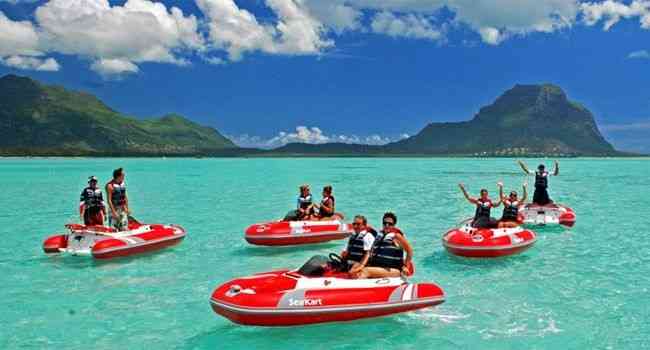
Blue Bay photographs beautifully for Instagram—turquoise water, bright fish, healthy corals. What doesn’t appear in those posts? Patrol boats check licenses constantly. Mooring buoys prevent anchor scrapes. Mandatory briefings before anyone enters water. These zones work because rangers issue actual fines instead of posting signs everyone ignores.
Snorkel guides carry laminated cards identifying different fish species. They’ll point out parrotfish eating algae off coral structures—those weird-looking fish literally poop sand that become beaches. Sounds bizarre but it’s verified science. Most tours tack on cleanup where everyone collects plastic bottles and tangled fishing line caught in reefs. Spend one afternoon pulling trash from supposedly “pristine” water and you’ll understand how much garbage accumulates even in protected zones. Honestly, I have a humble experience honestly.Balaclava has family hotels right on beaches.
Village Walks Destroy Resort Cultural Shows
Resort performances feel insulting—costumed dancers performing for cruise crowds who forget everything by tomorrow. Actual village walks bring you inside real family homes. Grandmothers cook using clay ovens they built fifty years ago. Textile weavers create intricate designs using techniques their great-grandmothers taught them with dyes extracted from backyard plants.
Economics works totally differently. Your money goes straight into family pockets instead of vanishing into corporate accounts somewhere. That woman selling handwoven scarves? Your purchase pays her kids’ school fees and groceries. Her neighbor demonstrating cooking methods earns enough supplementing farm income that she doesn’t need selling family land to developers. Tourism becomes the financial reason families keep traditions alive instead of abandoning everything for city jobs that pay better.Bagatelle Mall provides modern retail when you need it.
Le Morne Carries Weight You Can’t Shake
Summit views are objectively gorgeous—volcanic cliffs dropping into turquoise lagoons, horizon stretching forever. Learning what happened changes everything though. Enslaved people hid in caves surviving on foraged plants and stolen supplies. When soldiers climbed up announcing freedom in 1835, refugees panicked thinking they’d come for recapture. Multiple people jumped rather than face chains again. Nobody had informed them abolition had already happened.
Climbing demands serious effort. You’ll scramble over boulders gripping fixed ropes pulling yourself up steep sections. Guides descended from survivors explain which caves sheltered people, where rainwater pooled in rock depressions, how they signaled danger warnings. Tourism money maintains this UNESCO site and funds descendant education programs. History sits heavy on your chest up there. Can’t just brush it off.
Wildlife Centers Show the Boring Parts Nobody Mentions
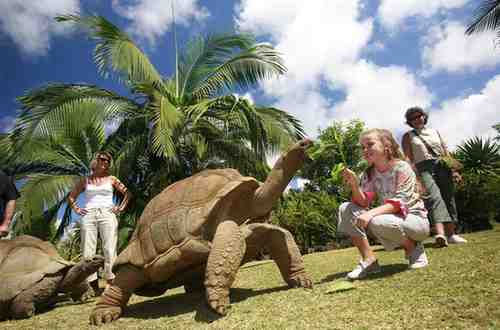
La Vanille houses Aldabra tortoises that move absurdly slowly. One spent literally twenty-five minutes deciding whether to eat a single hibiscus flower. Boring? Completely. These reptiles outlive humans by a century, their metabolism running on timescales that make glaciers look speedy. Their survival matters beyond entertainment value though. They distribute seeds across huge distances and shape vegetation patterns through feeding habits—ecosystem engineers basically.
Breeding aviaries look less impressive than zoo exhibits because endangered parrot reproduction prioritizes bird needs over visitor wow-factor. Pink pigeons raise chicks in nest boxes designed from behavioral studies. Mauritius kestrels practice hunting moves in flight cages sized for aerial acrobatics. Your entrance fee pays for unglamorous daily stuff—feeding, health monitoring, genetic tracking—that prevents extinction. Real conservation work rarely looks exciting when you’re doing it.Luxury hotels sometimes support these conservation efforts.
Boat Trips to Islands Expose Good and Terrible Operators
Île aux Cerfs gets absolutely pounded by tourism every single day. Some operators cram catamarans with sixty-plus people, blast awful music, leave trash scattered across beaches. Others cap groups at twelve, navigate carefully around seagrass, enforce strict zero-waste policies. Price difference runs maybe 1,500 rupees—not huge—but environmental impact differs massively.
Better operators schedule arrivals avoiding peak crowds, spreading visitor pressure throughout daylight hours. They anchor offshore shuttling people in small groups rather than beaching boats that crush coastal vegetation. Lunch arrives in reusable containers not styrofoam. Details seem minor until you multiply by hundreds of weekly trips. Small choices scale dramatically.Public holidays affect schedules so check dates.
Finding Legitimate Operators Requires Detective Work
Every single website claim “eco-friendly” and “sustainable” buzzwords that attract customers willing to pay more. Separating genuine commitment from greenwashing takes investigation beyond pretty marketing copy. Look for documented partnerships with actual recognized conservation groups—legit operators name specific organizations and programs they fund. Verify certifications from real environmental authorities not made-up “green excellence” awards.
Read reviews mentioning specific details like “guide explained invasive removal” versus generic “amazing time!” Reviews complaining about group restrictions or waste policies often signal genuine practices that inconvenience customers expecting conventional mass tourism. Operators who’ll lose business over environmental standards usually deliver what they promise.
Weather Determines What Actually Functions
May through November delivers comfortable temps, manageable humidity, minimal rain. Everything runs smoothly, trails stay dry, wildlife stays active. This period draws massive crowds though since everyone wants perfect conditions. Advance booking matters hugely for securing quality operators with limited capacity.
December through March turns oppressively hot and humid. Afternoon storms roll through regularly, sometimes violently. Trails close when mud creates hazardous conditions. But vegetation explodes into insane lush growth. Frogs and insects become super abundant. Photographers capture dramatic lighting. Fewer tourists mean way more guiding attention and better wildlife encounters since animals aren’t constantly disturbed.
Pack Smart or Regret Every Decision
Reusable bottles seem stupidly obvious, yet tons of tourists buy disposable plastic. Reef-safe sunscreen costs extra but doesn’t kill coral polyps you’re swimming above. Quick-dry fabric beats cotton that stays soaked, making you miserable. Not extreme eco-warrior stuff—just practical choices that work better.
Footwear matters enormously on volcanic rock. Trails feature loose stones, exposed roots, stream crossings. Proper boots with ankle support prevent twisted ankles that wreck vacations. The “sneakers work fine” crowd regrets that halfway through first hike guaranteed. Binoculars let you watch wildlife without getting close enough to disturb natural behavior.
Île aux Cerfs demands serious sun protection.
Premium Tours Justify Higher Costs When Done Right
Budget tours cram twenty-five people with guides reciting scripts. Premium gives you private guides adjusting everything to your actual interests. Helicopter flights reveal patterns impossible seeing from ground—forest corridors linking habitats, development threatening water sources, reef bleaching visible from above.
Luxury eco-lodges prove comfort and sustainability aren’t opposite. Solar panels generate electricity. Rainwater systems cut municipal demand. Organic gardens feed restaurant kitchens. Construction uses local materials adapted for modern comfort. Higher prices should fund better environmental practices, assuming operators implement them versus just charging more pocketing differences.
Kids Learn Through Action Not Lectures
Children don’t care about ecosystem theory or trophic whatever. They want to spot animals, collecting cool stuff, not being bored. Effective family programs use nature journals, species competitions, hands-on activities teaching concepts without droning lectures nobody remembers.
Shorter distances matter because kids tire way faster than parents admit. Interactive staff maintains engagement infinitely better than passive watching. Guides with teaching backgrounds understand explaining food webs through concrete examples works better than abstract theory. A kid watching a gecko snatch insect learns predator-prey relationships better than any textbook passage possibly could.
Romance Without Staged Cringe
Sunset hikes reaching isolated viewpoints beat clichéd champagne toasts at crowded spots every time. Private snorkeling on quiet reefs surpasses swimming in tourist masses. Picnics with locally sourced food create real intimacy without excessive waste.
Some operators arrange nighttime walks for nocturnal species. Forest sounds transform completely after dark as different creatures activate. Bioluminescent plankton in certain bays generates natural light shows manufactured romance can’t touch. These feel genuinely special because they actually are unusual not because someone staged props and scripts.Romantic locations scattered across the island.
Photography Needs Patience Not Expensive Toys
Photographers aggressively chasing animals for close-ups usually get terrible shots while stressing wildlife. Sitting quietly waiting produces way better images without disrupting anything. Understanding patterns—feeding times, basking preferences—helps positioning for shots without pursuit.
Drones face heavy restrictions near protected zones, need permits for commercial work. Some locations ban them completely. Smartphone cameras produce surprisingly good results with basic lighting knowledge. The gap between good and mediocre wildlife photos usually comes down to patience and timing, not expensive gear specs.
Pricing Reflects Actual Differences Not Marketing
Cheap tours around 2,000 rupees cut corners everywhere—huge groups, inexperienced guides, zero conservation money. Mid-range 4,000-7,000 rupees deliver better ratios, quality gear, and meaningful environmental support.
Premiums above 10,000 rupees add private guiding, specialized access, and substantial conservation funding. Evaluating value means looking past base numbers to understand included stuff and where money flows. Transparent operators show detailed breakdowns—guide wages, equipment upkeep, park fees, conservation programs, community support.
Cities Face Completely Different Challenges
Port Louis shows urban environmental work distinct from wilderness stuff. Walking tours highlight organic markets, restaurants composting scraps, shops that rejected plastic before mandates existed. Shows cities can cut impacts while maintaining economic activity.
Central Market vendors selling local produce eliminate transportation emissions supporting agricultural diversity. Traditional preservation—sun-drying, fermentation, smoking—minimizes refrigeration needs. Understanding urban sustainability provides context for tourism supporting positive practices beyond just protecting reserves.
Custom Trips Match What You Actually Want
Standard packages work adequately for general folks but miss specific interests completely. Birdwatchers need vastly different stuff than marine people or cultural seekers. Private bookings let you tailor pace, difficulty, focus instead of forcing everyone through identical experiences.
Clear communication about expectations, actual fitness, specific interests prevent mismatches. Operators then assign appropriate guides, pick suitable spots, prep specialized gear. Customization costs more but delivers exactly what you want versus generic mass offerings.
Booking Needs Thought Not Just Button Clicking
Peak season needs 4-6 weeks’ advance notice for quality operators with limited spots. Confirm group caps, guide credentials, cancellation specifics, what’s included versus extra charges. Provide accurate details—ages, fitness, medical stuff—so operators match people with appropriate activities.
Transparency benefits everyone involved. Operators knowing mobility limitations can plan accordingly instead of discovering mid-trail problems. Honest communication ensures safe enjoyable experiences matched to actual abilities versus optimistic assumptions creating issues.
Safety Separates Real Pros from Sketchy Amateurs
Legitimate operators maintain current first aid certs, emergency communication gear, and weather systems. Pre-activity briefings thoroughly cover hazards, appropriate conduct, and emergency procedures. Comprehensive insurance protects everyone if accidents happen despite precautions.
Weather shifts rapidly especially in mountains. Trained guides continually assess risks making informed decisions about proceeding, changing routes, canceling when unsafe. Sketchy operators push ahead ignoring warnings prioritizing money over safety. Ask detailed questions about protocols and training—reveals how seriously companies treat responsibilities.
Tourism Revenue Literally Prevents Extinction
Protected areas generating measurable value through tourism create strong arguments against development. When forests and reefs show quantifiable worth, governments and communities gain serious incentives maintaining them versus exploiting for quick cash.
Mauritius’s wins—species rescued from extinction’s edge, forests regenerating, reefs improving—came from sustained funding mostly from tourism. Visitors doing eco guided tour in Mauritius contribute directly through spending and presence, transforming vacations into participation in bigger conservation stories beyond simple recreation.
Ready exploring while funding real conservation? Contact our team now for eco guided tour in Mauritius supporting genuine environmental work.
Comparison of Eco Tour Types in Mauritius
| Tour Type | Duration | Difficulty Level | Best For | Average Cost (MUR) |
| Forest Hiking | 3-5 hours | Moderate to Hard | Nature Enthusiasts | 3,500-6,000 |
| Marine Snorkeling | 2-4 hours | Easy to Moderate | Families & Couples | 2,500-5,000 |
| Village Walking | 2-3 hours | Easy | Cultural Learners | 2,000-3,500 |
| Mountain Climbing | 4-6 hours | Hard | Adventure Seekers | 4,500-8,000 |
| Island Hopping | Full Day | Easy | Beach Lovers | 5,000-9,000 |
| Wildlife Observation | 3-4 hours | Easy to Moderate | Photographers | 3,000-5,500 |
| VIP Helicopter Tours | 2-3 hours | Easy | Luxury Travelers | 25,000-45,000 |
Frequently Asked Questions
What makes an eco-guided tour in Mauritius different from regular tours?
Regular tours cram huge groups maximizing profits with minimal environmental thought. Eco tours restrict sizes deliberately, hire ecologically trained guides, and put money toward actual conservation. You’ll notice waste handling, wildlife protocols, education depth differences immediately.
When is the best time to book an eco-guided tour in Mauritius?
May through November gives ideal weather—moderate temps, little rain. Book 4-6 weeks ahead during peak for preferred operators. Shoulder months give decent conditions with better availability and lower costs.
Are eco tours suitable for children and elderly visitors?
Many tours handle various ages through different difficulty levels. Village walks and marine watching suits are the most fitness. Mountain staff demand higher endurance. Communicate clearly when booking for proper matching.
What should I wear for an eco-guided tour in Mauritius?
Quick-dry synthetics beat cotton staying wet forever. Neutral colors work better around animals. Sturdy boots with ankle support prevent slips on volcanic rock. Layer clothes for temp changes between forests and coasts.
How do eco tours contribute to local communities?
Fees employ local guides, buy from nearby vendors, support village groups. Money often goes directly to community schools and health stuff. Families hosting or selling crafts get income creating preservation incentives instead of abandonment.
Can I customize an eco-guided tour in Mauritius for my interests?
Most handle customization for private bookings. Discuss interests—bird photography, marine biology, cultural depth—initially. They’ll design tailored trips with suitable guides and specialized equipment matching what you want.
What’s included in the cost of an eco-guided tour in Mauritius?
Standard covers guide services, equipment, parking fees. Some include food depending on length. Transportation, insurance, and tips usually cost extra. Request detailed breakdowns preventing surprise charges later.
Want to explore responsibly while funding conservation? Contact us immediately for eco guided tour in Mauritius supporting real environmental protection work.
Pingback: Indentured Labourers Day Mauritius: Complete Guide to 2025 Celebrations
Pingback: Diwali Celebration in Mauritius: Experience the Festival of Lights in Paradise 2025