
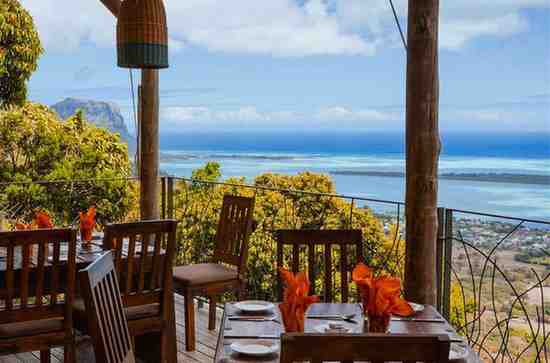
Southern Mauritius Restaurants Beat Northern Options Every Time
The restaurant in south of mauritius coast are better restaurants than the crowded north. Why? Less tourist traffic means owners cook for locals who know good food. Prices stay fair because competition is real. Fresh fish comes straight from fishermen who live next door. No freezers, no imported ingredients, no fake “authentic” menus designed for Instagram. Just proper Mauritian food is made the way it’s supposed to be made.
Seafood Gets Caught and Cooked the Same Day
Fishermen dock their boats at dawn. By lunch, that same fish is on your plate. The supply chain is literally one person walking from the beach to the kitchen. Grilled marlin costs 400-600 rupees depending on size. Octopus curry runs about 350 rupees with rice and sides. Some places let you pick your fish from ice boxes – just point at what looks good. The spice rub is usually turmeric, garlic, chili, and salt. Nothing complicated, but it works.
Old Family Recipes Don’t Change Here
Certain restaurants have been run by the same families since the 1970s. Grandmothers still boss around the kitchen staff. Their fish vindaye tastes exactly like it did thirty years ago because they use the same recipe card taped to the wall. Rougaille sausage gets cooked in cast iron pots that weigh more than small children. The mine frit comes with specific vegetables in a specific order. Try suggesting changes and watch them laugh at you.
Beachfront Tables Cost the Same as Indoor Ones
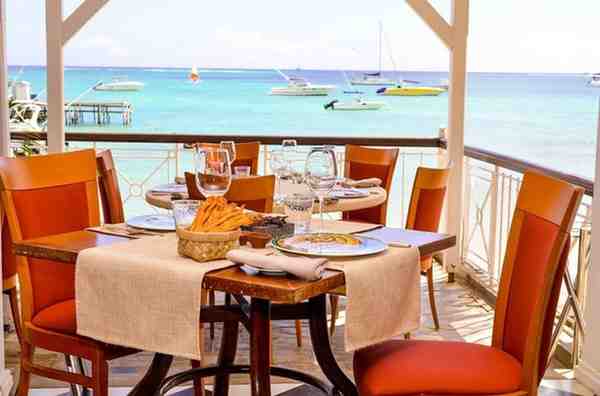
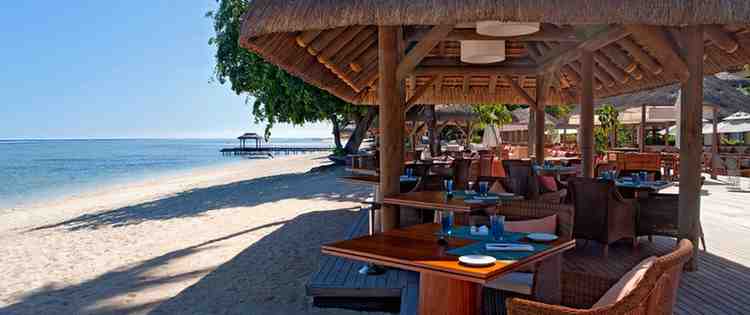
Restaurants right on the sand charge normal prices. No “ocean view premium” nonsense. A table with your toes in the sand costs the same as a table in the back corner. Blue Bay and Le Morne have multiple spots where waves crash ten meters away while you eat. Sunset timing varies by season – December through March gives you later light, so dinner service stretches to 8 PM instead of 7 PM. If you’re staying nearby, check out hotels in south of Mauritius that put you walking distance from these places.
The Best Spots Have No Websites
Good luck finding menus online for the good places. They don’t need websites when locals keep them busy six days a week. These restaurants close on Mondays typically, open Tuesday through Sunday 11 AM to 2 PM and 6 PM to 9 PM. Cash only. No reservations. First come gets the table. A full meal runs 200-300 rupees including drinks. The quality stays high because the owner’s reputation in the village depends on it.
Vegetarian Food is Actually Good Here
Indian immigration in the 1800s meant vegetarian cooking got serious attention. Proper dhal gets made with five types of lentils, not just one. Brinjal curry uses small purple eggplants, not the big watery ones. Butter bean curry with dholl puri is a complete meal for 150 rupees. Even the Chinese restaurants make decent vegetable mine frit without meat. Jackfruit curry looks and tastes almost like pulled pork when done right. No fake meat products are needed.
Cheap Food Doesn’t Mean Bad Food
Street vendors near Souillac market sell wrapped dholl puri for 25 rupees each. Small restaurants with plastic chairs serve lunch plates for 180 rupees. That includes protein, rice, three vegetables, salad, and chutney. These aren’t “budget options” – they’re where construction workers and taxi drivers eat every day. The food is hot, fresh, and fills you up properly. Spending more doesn’t get you better food, just fancier plates and tablecloths.
Expensive Restaurants Exist Too
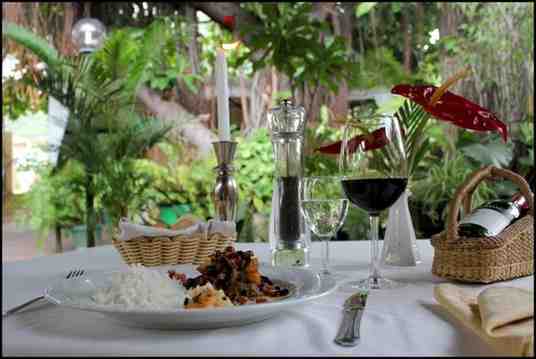
If you want white tablecloths and wine lists, those exist. Prices jump to 1500-2500 rupees per person. The food is genuinely good – chefs trained in Europe or South Africa before coming back. They do things like deconstructed rougaille and palm heart three ways. The octopus is still local, just presented differently. These spots work well for anniversaries or impressing someone. But honestly, the cheap places taste just as good.
Lunch is 12 to 2, Dinner is 6 to 9, Plan Accordingly
Mauritian restaurants stick to strict mealtimes. Show up at 3 PM expecting lunch and you’ll find locked doors. Most places close between lunch and dinner for three or four hours. The staff goes home, takes naps, picks up kids from school. Dinner service ends at 9 PM sharp in most places. By 9:30 PM, chairs are up on tables and lights are off. Weekends get busier, especially Sundays when extended families go out together.
Menus Mix Three Languages and Four Cuisines
One menu might have French names, Creole descriptions, and English translations that don’t quite match. “Mine frit” is Chinese-style fried noodles but made Mauritian. “Carry poulet” is curry chicken but different from Indian curry. “Poisson sale” is salted fish, not fish on sale. Spice levels labeled “medium” are quite hot. Always ask what’s in something before ordering. Most servers speak decent English plus French and Creole.
Local Tour Companies Know Every Good Restaurant
Mauritius Guided Tours has relationships with restaurant owners across the south. They know which places are good on which days, which dishes each place does best, and which spots to avoid entirely. The guides translate menus, explain dishes properly, and make sure you don’t get tourist prices. They’ll take you to the grandmother’s kitchen place that serves incredible food but looks sketchy from outside.
Getting Around Requires a Car or Taxi
Buses run infrequently in the south – maybe one every two hours. Renting a car makes sense for restaurant hopping. Daily rental is about 1500 rupees including insurance. Taxis charge 800-1200 rupees for cross-south trips. Some restaurants are genuinely difficult to find – GPS sends you to empty fields. Having specific WhatsApp numbers for restaurants helps because you can call for directions. Night driving is dark on coastal roads since streetlights are rare.
Combine Eating with Actual Things to Do
Rochester Falls is fifteen minutes from three good restaurants. Gris Gris cliffs have a lunch spot right at the viewpoint. Le Morne beach has five restaurants within walking distance. La Vanille Nature Park has a decent cafeteria plus two restaurants within ten minutes’ drive. Plan your day so you’re near food options when hunger hits. Don’t expect to find restaurants in the middle of nowhere between attractions. While you’re exploring, consider a day trip to town of Curepipe Mauritius for different food options and shopping.
Nobody Rushes You Out After Eating
Mauritian restaurant culture involves sitting around after meals. Coffee takes forever to arrive and nobody cares. Families occupy tables for two hours talking and laughing. This isn’t slow service – it’s just how things work. If you want fast food, go to McDonald’s in the north. Southern restaurants expect you to relax. Trying to rush servers just confuses them. Split the bill? They’ll look at you weird but eventually figure it out.
Different Months Mean Different Food
Mango season runs November through January – suddenly every restaurant has mango chutney and mango salad. Lychee season is from December through February – lychee juice appears everywhere. Heart of palm is winter-only, roughly June through September. Certain fish like marlin and tuna are better in specific months when water temperature suits them. Asking “what’s good today” means something because menus change based on what’s available fresh.
Clean Restaurants Don’t Always Look Clean
Some of the best restaurants look rough from outside. Concrete floors, plastic chairs, walls that need paint. But the kitchen is spotless, and the food is safe. Busy restaurants with lots of locals are always safe bets. Empty restaurants at lunchtime are red flags. Watch for fresh ingredients being prepped – whole fish being cleaned, vegetables being chopped. Avoid places with pre-made food sitting out uncovered. When in doubt, order something cooked rather than pre-prepared curries.
Plan Multiple Meals at Different Price Points
Eat breakfast at your hotel, cheap street food lunch, nice dinner. Or fancy lunch, cheap dinner. Mixing expensive and cheap meals lets you try more places without destroying your budget. Three cheap meals daily runs about 1000 rupees total. Three expensive meals might hit 6000 rupees. Most people make two cheap, one nice meal per day and spend roughly 2000 rupees on food. Snacks like samosas and gateaux piments cost 10-25 rupees each.
Contact Professional Tour Services Before You Go
Planning restaurants from overseas is frustrating and often inaccurate. Online reviews are sparse for southern Mauritius spots. Google ratings don’t mean much when restaurants have fifteen reviews total. Working with Mauritius Guided Tours solves this problem completely. They arrange restaurant reservations, provide transportation, handle language barriers, and guarantee you eat at legitimately good places. Contact us before your trip to set up a proper food tour of the south. Their local knowledge saves you from wasting meals at mediocre tourist traps.
Staying South Beats Day Tripping from the North
Hotels in the south put you close to the best restaurants. Morning beach walks end at breakfast spots. Evening meals are quick walks rather than hour-long drives. You can try multiple places across several days instead of cramming everything into one rushed day trip. Northern tourists often drive two hours south, eat one meal, then drive back. That’s silly when southern accommodation costs the same or less than northern resorts. Check hotels in south of Mauritius for places that position you perfectly for restaurant access.
Frequently Asked Questions
How much money do I need for meals at a restaurant in south of Mauritius?
Budget 200-300 rupees for cheap meals, 500-800 rupees for mid-range, 1500-3000 rupees for fancy places. Daily food budget of 1500-2000 rupees covers three solid meals including drinks. Street snacks cost 15-50 rupees. Most places only take cash, so they carry rupees not dollars.
Which restaurants take credit cards in the south?
Big restaurants and hotel restaurants take care of them. Small family places and street food is cash only. ATMs are in Mahebourg and Souillac. Cards work at maybe 30% of restaurants maximum. Just assume cash is required everywhere.
Do I need to book tables ahead of time?
Fancy places need reservations on weekends. Everywhere else is first-come seating. Calling the day before works for popular spots. Most places don’t have online booking – you call directly or just show up. Lunch is usually fine without reservations, dinner weekends can be busier.
What’s the one dish I absolutely must try?
Fresh grilled fish with Creole sauce. That’s the signature southern Mauritius meal. It costs 400-600 rupees, comes with rice and salad. Every restaurant does it slightly differently but it’s always good. Octopus curry is second choice. Dholl puri is the cheapest option.
Is the tap water safe at restaurants?
Stick to bottled water which costs 30-50 rupees. Some fancy places have filtered water systems. Ice is usually fine at decent restaurants but skip it if unsure. Bottled water eliminates any risk entirely.
Can restaurants cook without spice for sensitive stomachs?
Yes, but the food won’t taste much. Mauritian food is supposed to be spicy. Most places can make mild versions if you’re specific about it. Saying “no spicy” usually means they just reduce chili, not eliminate all spices. Plain grilled fish with salt is always an option.
How far are restaurants from beaches and tourist sites?
Gris Gris, Le Morne, and Blue Bay all have restaurants within 5-10 minutes. Rochester Falls has places 15 minutes away. Basically, every tourist site has food options nearby. The south is small enough that nothing is far from anything else.
Do restaurant staff speak English?
Bigger places yes, small local spots maybe one person speaks basic English. Pointing at menus works fine. Most servers try hard to help even with limited English. Having French is more useful than English in many local restaurants.
Can I bring kids to restaurants in the south?
Mauritians bring kids everywhere, so restaurants expect it. Highchairs exist in nicer places but not budget spots. Most menus have plain rice and grilled chicken for picky kids. Beach restaurants let kids play in sand between courses. Nobody gets annoyed by children.
Why is southern food better than northern Mauritius food?
North caters to tourists who don’t know better. South caters to Mauritians who eat their weekly. Northern restaurants charge more and serve blander food because tourists accept it. Southern places compete on quality and price because locals have options. Simple as that.
Pingback: Best Mauritius Wedding Honeymoon Packages | Romantic Escapes for Couples 2025